
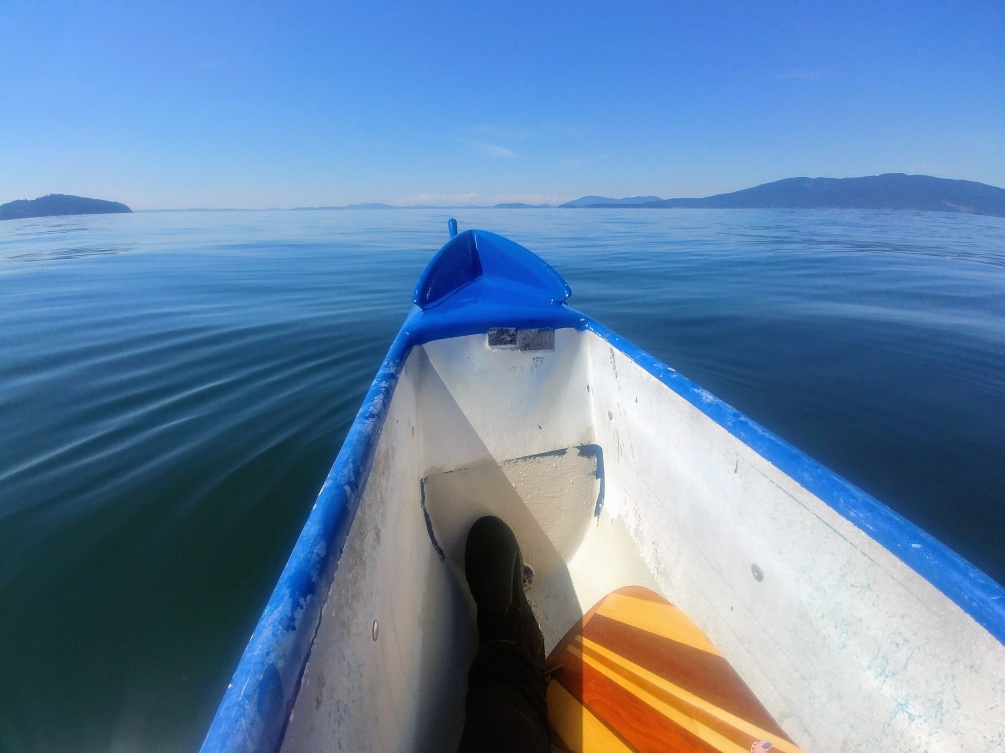
 “Be like water making its way through cracks. Do not be assertive, but adjust to the object, and you shall find a way around or through it. If nothing within you stays rigid, outward things will disclose themselves.” ~ Bruce Lee
Greetings and hope you are well!
Many of you are just completing your first month of residency and over the past few years some have described the experience to me as drowning, overwhelming, isolating, and stressful. On the whole, these rotations are intensive, brief learning submersions where one is dipped in a culture and way of practice that can often feel foreign and unknown. These “sink or swim” experiences are limited and before a resident can really grasp and acclimate to the learning context they’re moved on to the next rotation.
So, I want to encourage you to check out Martin et al. (2017) Exploring the Experience of Residents During the First Six Months of Family Medicine Residency Training. The article highlights key changes in the transition from medical student to resident and may help in articulating and pinpointing the stress. For example, as one resident from the study explains, “There is an underlying concern that the patient is going to die if I don’t get the diagnosis right.”
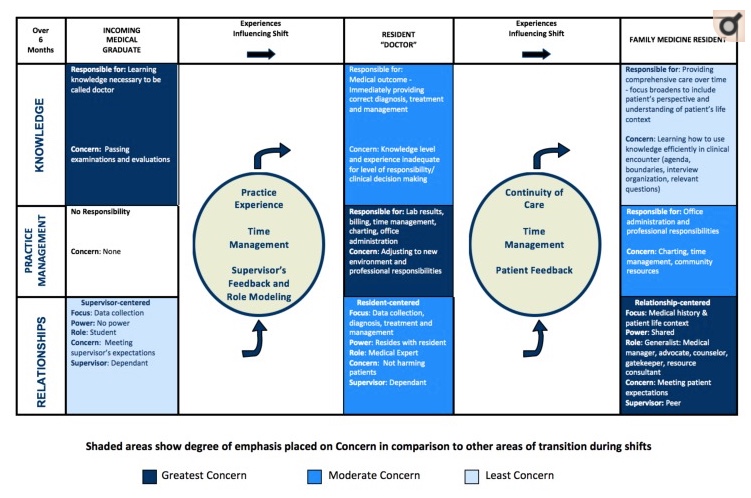
The program’s expectations around knowledge base, practice management, and ability to form and nurture patient relationships have jumped a massive notch. The article offers ideas about acclimating to this new role and building confidence in your environment.
Another read you may want to check out is Flow: The Psychology of Optimal Experience by Mihaly Csikszentmihalyi. I ordered this book for our Preceptors and I believe it currently sits in our Site Library Office so ask Ann for the copy 🙂. I’m particularly fond of this quote:
“Contrary to what we usually believe, moments like these, the best moments in our lives, are not the passive, receptive, relaxing times—although such experiences can also be enjoyable, if we have worked hard to attain them. The best moments usually occur when a person’s body or mind is stretched to its limits in a voluntary effort to accomplish something difficult and worthwhile. Optimal experience is thus something that we make happen. For a child, it could be placing with trembling fingers the last block on a tower she has built, higher than any she has built so far; for a swimmer, it could be trying to beat his own record; for a violinist, mastering an intricate musical passage. For each person there are thousands of opportunities, challenges to expand ourselves.”
~
These rotations, if framed as opportunities, have the potential to expand oneself and to further develop the intrinsic reward system that pushes us past the reluctancy, resistance, and stress of learning something new.
Warmly,
Jacqueline
#WeAreInThisTogether #DesigningTheOptimalExperience #ChangingTheContentsOfConsciousness
Resources:
Martin D, Nasmith L, Takahashi S, Harvey B. Exploring the experience of residents during the first six months of family medicine residency training. Canadian Medical Education Journal 2017; 8(1): 22-36.
 “You know, what we choose to measure as a country matters. It really matters, because it drives political focus, it drives public activity. And against that context, I think the limitations of GDP as a measurement of a country’s success are all too obvious. You know, GDP measures the output of all of our work, but it says nothing about the nature of that work, about whether that work is worthwhile or fulfilling. It puts a value, for example, on illegal drug consumption, but not on unpaid care. It values activity in the short term that boosts the economy, even if that activity is hugely damaging to the sustainability of our planet in the longer term.
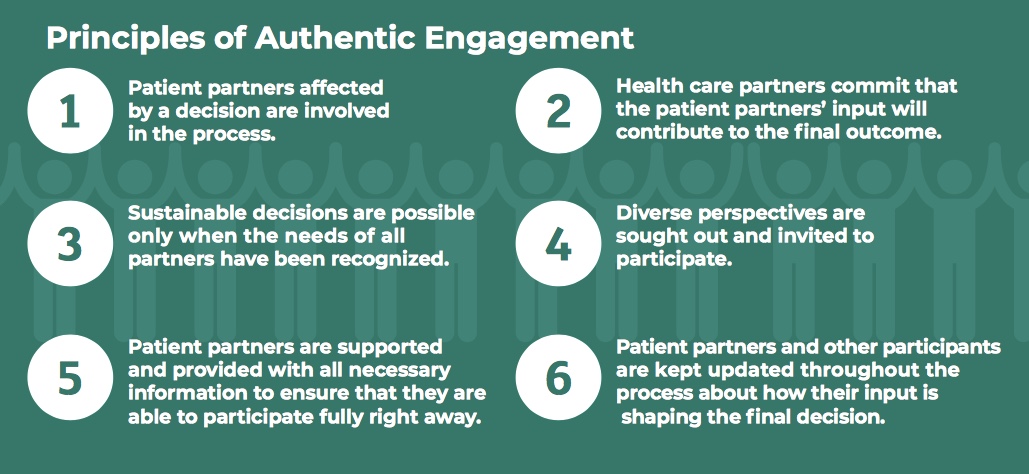 BC Patient Safety & Quality Council published “
 Family Medicine Residency Site: Abbotsford-Mission