

Please remember to vote today. Need information on where your polling station is? Find it here at Elections Canada.
Please remember to vote today. Need information on where your polling station is? Find it here at Elections Canada.

Our UBC Family Practice Residency Program Curriculum Committee released the new Core Learning Outcomes: Domains of Care and Core Activities. These domains include Family Medicine Fundamentals; Health Equity and Care of the Community; Maternity and Newborn Care; Care of Children and Adolescents; Care of Adults; Care of Elderly; Palliative and End-of-Life Care; Mental Health and Addictions Care; Surgical and Procedural Skills. If you’re a learner, educator, or staff member, please familiarize yourself with this document as it will replace our UBC Curriculum Objectives. Learn more here.
If you have any questions, please feel free to contact me at jacqueline.ashby@ubc.ca.
Warm regards,
Jacqueline
Abstract
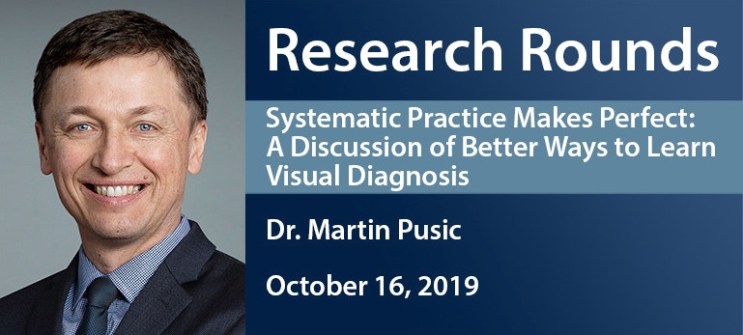
Health Professions Educators have been challenged to come up with more efficient and effect ways of instruction that both protect the safety of our patients and are learner centered. Fortunately, there has been an explosion of new educational technologies that make possible creative new instructional approaches. In this presentation, we will present an example of Cognitive Simulations in which we downloaded hundreds of radiology, pathology and ECG cases – so many cases that the learner has at their disposal the same experience it would otherwise take years to accumulate. The vision is to have our learners practice on these cases in the same way a violinist would practice their scales: practicing to mastery before attempting the performance that matters. Using the results of our research on trainees at all levels of expertise, we will address questions like: How do we know how many cases to offer? Which cases in particular? What feedback is optimal? In what order?
Date: Wednesday, October 16, 2019
Time: 12:00pm to 1:30pm (feel free to bring a bagged lunch)
Locations: LSC 1312 CMR (host venue), DHCC 2230, RJH CA 120, NHSC 9-374
Remote: Additional locations are available. Please email ches.communications@ubc.ca to request an additional site.
Learn more here.
 The third webinar in the AMEE Autumn Webinar series will hosted by the AMEE Simulation Committee and presented by Debra Nestel, Alexis Battista, & Katie Walker on:
Theories informing simulation practice: How can I use theory in my simulation practice?
Wednesday 16 October 2019 at 14:00 (2pm) BST/UK.
The AMEE series is currently free to join.
Please register here.
This webinar will follow from the previously highly successful webinars in 2017 that feature theories that inform simulation practices. The aim of the webinar is to make specific theories accessible to simulation practitioners. The webinar will first orientate attendees to the notion of theories and educational practices. You will hear from two presenters – Alexis Battista and Katie Walker – sharing their experiences of two different theories. First, activity theory and how it has been applied to improve simulation practices. Anyone who uses simulation as an educational method will benefit from attending.
Places are limited, so please connect early to avoid disappointment.

“People support what they create. Bring them into the process of creation so that you’re not trying to sell someone on your idea, but working together on ‘our’ idea. There’s art & science to co-creation.” ~ Bryan Walker on How to Create Change in Your Organization via IDEO
Speaking of co-creation, thank you to our Fort St. John Family Practice Residency Site staff, preceptors, and residents for joining Dr. Christie Newton and me for dinner Wednesday evening to discuss how we can better support our rural programs and design a thriving community of care.
Here are a few items that caught my attention this week:
Having a Vomit SALAD with Dr. Jim DuCanto via EMCrit RACC.
Pokemon Go player urges gamers to carry naloxone via CBCNews.
300,000 Canadian health professionals call for action via CAPE.
An innovative program for elderly adults via HMS (read the paper here.)
Smartphone & social media-based cardiac rehabilitation via The Lancet.
UBC swimmer sheds stigma of depression via UBC News.
Cities enhancing public spaces with nature via Children & Nature.
Alberta slashes minimum wage for teen students via The Globe and Mail.
Raising our child to get plenty of screen time via The New Yorker.
Helpful Simulation Guides via Healthy Simulation.
The environmental impact of conferences via dezeen. Idea for #FMF?
A polio-like disease continues to baffle researchers via Popular Science.
Only 20 Nobels in the sciences have gone to women. Why? via PRI.
Roasting fruits and veggies whole creates less waste via treehugger.
Attending the The Lancet Countdown 2019?
Happy Thanksgiving to our UBC Family Practice Residency Sites! We appreciate all that you do.
Warm regards,
Jacqueline
Learn more on Fist bump better than handshake for cleanliness by Howard LeWine, M.D. via Harvard Health Blog
#SaveAHandshake #SaveALife
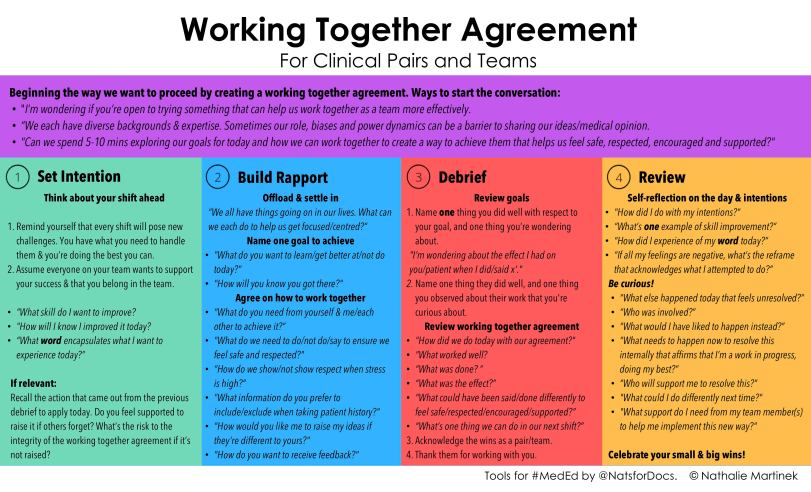 Dr. Nathalie Martinek developed “a #MedEd conversation tool to facilitate a safe & respectful team culture.” She’s looking for input on the guide’s development. Reach out to her at @NatsforDocs if you have any suggestions! The newest revision is above!
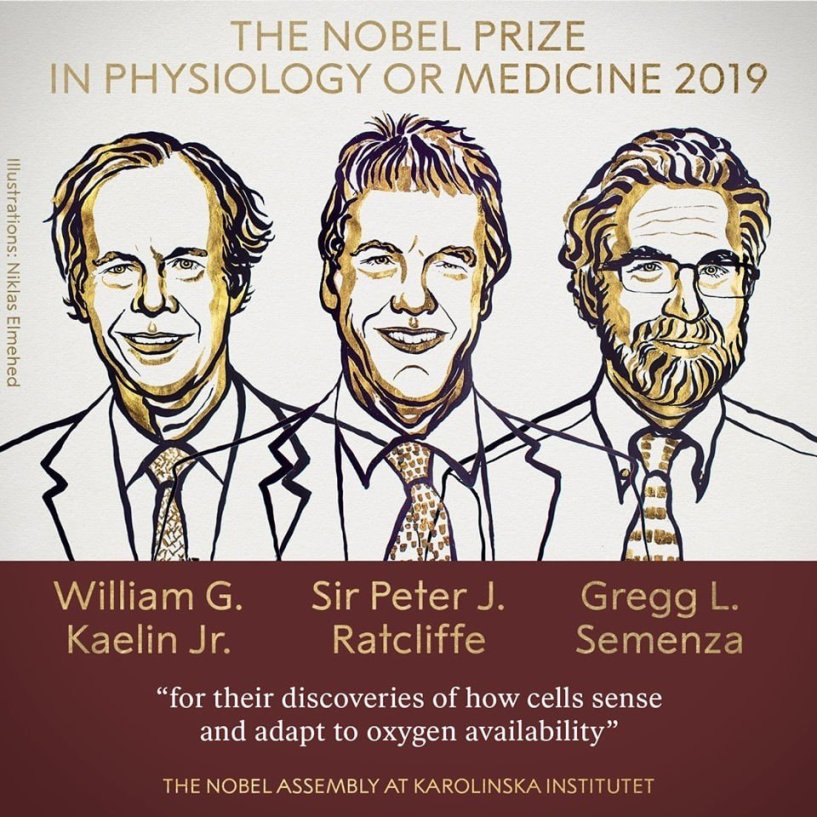
Listen to Dr. Kaelin’s interview this morning on winning the Nobel Prize with his colleagues Sir Peter J. Ratcliffe and Gregg L. Semenza. Read more on how cells sense and adapt to oxygen availability.
#NobelPrize #Medicine
The UBC Clinician Scholar Program is one of seven across Canada.
The Clinician Scholar Program (CSP) offers part-time positions for family physicians in family practice scholarship. These third-year residency positions are part of the Postgraduate Program of the UBC Faculty of Medicine.
Each cohort begins the program on July 1st of the calendar year.
Objectives
Timeframe and Funding
Applicants are encouraged to plan a two-year timeframe for completion of the program. Approximately $60,000 per successful candidate is available over two years.
The forthcoming webinar in partnership with the AMEE CPD Committee will be presented by David Wiljer:
“Involving patients, families and new perspectives into CPD”
Monday, October 7, 2019
4:00 (2pm) GMT +1 Hour
Register here!
As of 2019 the AMEE webinar series will be entirely free. You can access the webinars by joining here when the webinar begins. Due to limited space it is advisable to join on time as AMEE cannot guarantee entry to the webinars.
This Webinar will explore approaches and opportunities for involving patients and their families into Continuing Professional Development.
We will explore practical issues around recruitment, training of faculty, various concerns from stakeholders, and payment in order to address barriers and ensure the successful and meaningful involvement of patients and their families in CPD.
The Webinar is intended for CPD professionals, administrators, researchers, learners and patients and families who are interested in advancing the field.
 Family Medicine Residency Site: Abbotsford-Mission