Inclusive Campus

“I think I’ve been very blessed because though I’ve never had two of my own arms, it’s never stopped me from being able to teach someone else how to make better use of their own.”

~ Veronica Brooks, Occupational Therapist

Yesterday I had the privilege to listen to the passions and interests of our UBC CHES scholar group. One of the presentations given by our UBC Occupational Science & Occupational Therapy team focused on promoting inclusivity and accessibility within our healthcare professions and campus community. I encourage you to learn more about their efforts and energy being invested in mentorship, system navigation, workshops, and educational strategies. Visit UBC’s Inclusive Campus!

Warm regards,

Jacqueline
CHES: Celebration of Scholarship & Articles of Interest

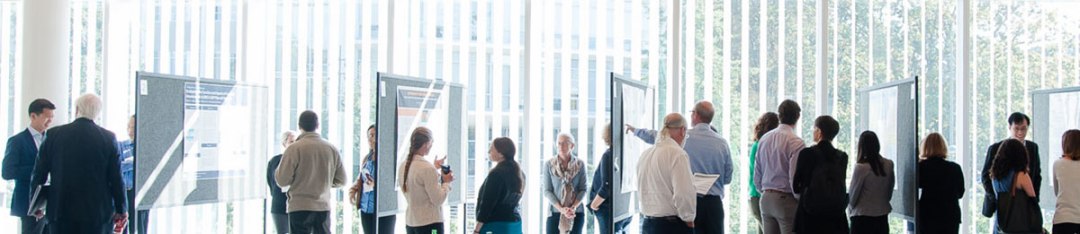
ADM_CHES_Day_2018_Giving.jpgJust a heads up that we have our UBC CHES Celebration of Scholarship tomorrow where the Centre for Heath Education Scholarship members have the opportunity to share their work with the broader community! Hope to see you there!
In addition, CHES recently distributed their latest collection of medical education article abstracts to members. Check it out! (The two that caught my eye were #5 Performing Under Pressure: Varsity Athletes Excel in Medical School; and, #9 The utility of mini-Clinical Evaluation Exercise in undergraduate and postgraduate medical education: A BEME review)

If you would like to nominate an article for future inclusion or have any questions, please email ches.communications@ubc.ca.

Warm regards,

Jacqueline

#UBC #CHES #MedicalEducation

Orange Shirt Day

EFuYLnpX0AA-vbr.jpg

“September 30 is an annual day to recognize and raise awareness about the residential school system in Canada, join together in the spirit of reconciliation, and honour the experiences of Indigenous Peoples. Between the late 1800s and 1996, more than 150,000 First Nations, Métis and Inuit children attended Indian residential schools – Orange Shirt Day commemorates this legacy.”

The Residential School History and Dialogue Centre at UBC is open from 10-4 today and welcomes anyone looking to rest. Cultural support from Indian Residential School Survivors Society will also be available all day for anyone in need. Learn more here.

Building a Family Tree

“Yaniv Erlich is fascinated by the connection between DNA and data. As a professor and researcher at Columbia University and as CSO of MyHeritage.com, he has performed foundational work in genetic privacy and large-scale studies of crowd-sourced genomic data. Dubbed by the journal Nature as the ‘Genome Hacker,’ he and his team discovered a privacy loophole enabling re-identification of allegedly anonymous male research participants using just internet searches and their Y chromosome. Later, he discovered that 60% of all US individuals with European descent can be identified by forensic genetics using open genetic genealogy databases, which was dubbed by Science magazine as one of the top 10 breakthroughs of 2018. He is also responsible for the construction of the world’s largest family tree comprising 13 million people, as well as the development of the website DNA.land, which has compiled the genotypes of more than 150,000 donors, and has also worked to discover the genetic bases for several conditions in Israeli families.”

#TEDMED #YanivErlich #GenomicData

Simulation Game: RETAIN

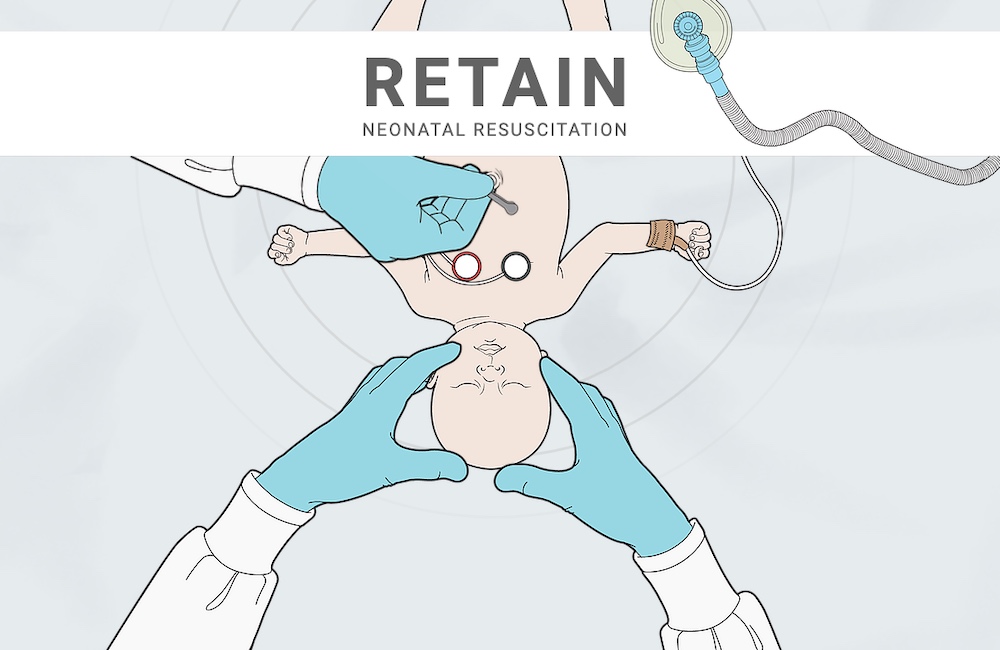
RETAIN-Resuscitation-Game.jpg“The Retain Game originated from a vision to provide this training environment with a focus on neonatal resuscitation out of the University of Alberta Hospital & Royal Alexandra Hospital Edmonton. The RETAIN team designed the educational game platform ‘RETAIN’ (Resuscitation TrAINing for Healthcare Professionals) to train healthcare professionals in neonatal resuscitation in a cost-friendly and accessible way. The RETAIN platform (RETAIN Labs Medical Inc., Edmonton, Canada) consists of a board game and a computer game, as tools that complement the physical simulation-based education to improve knowledge retention during neonatal resuscitation in the delivery room.”

More on Canadian Simulation Educators Create RETAIN Board Game to Train Neonatal Resuscitation via Healthy Simulation.

The Research: RETAIN: A Board Game That Improves Neonatal Resuscitation Knowledge Retention (2019) by Cutumisu et al. via Frontiers in Paediatrics.

Play Retain Game.

#Gamification #Simulation #PlayToLearn

Improving Memory Deficits

“Recent evidence supports involvement of amylin and the amylin receptor in the pathogenesis of Alzheimer’s disease (AD). We have previously shown that amylin receptor antagonist, AC253, improves spatial memory in AD mouse models. Herein, we generated and screened a peptide library and identified two short sequence amylin peptides (12–14 aa) that are proteolytically stable, brain penetrant when administered intraperitoneally, neuroprotective against Aβ toxicity and restore diminished levels of hippocampal long term potentiation in AD mice.”

More on Short amylin receptor antagonist peptides improve memory deficits in Alzheimer’s disease mouse model (2019) by Soudi et al. via Nature Scientific Reports.

12 Innovations Revolutionizing Medicine

179298_web.jpg
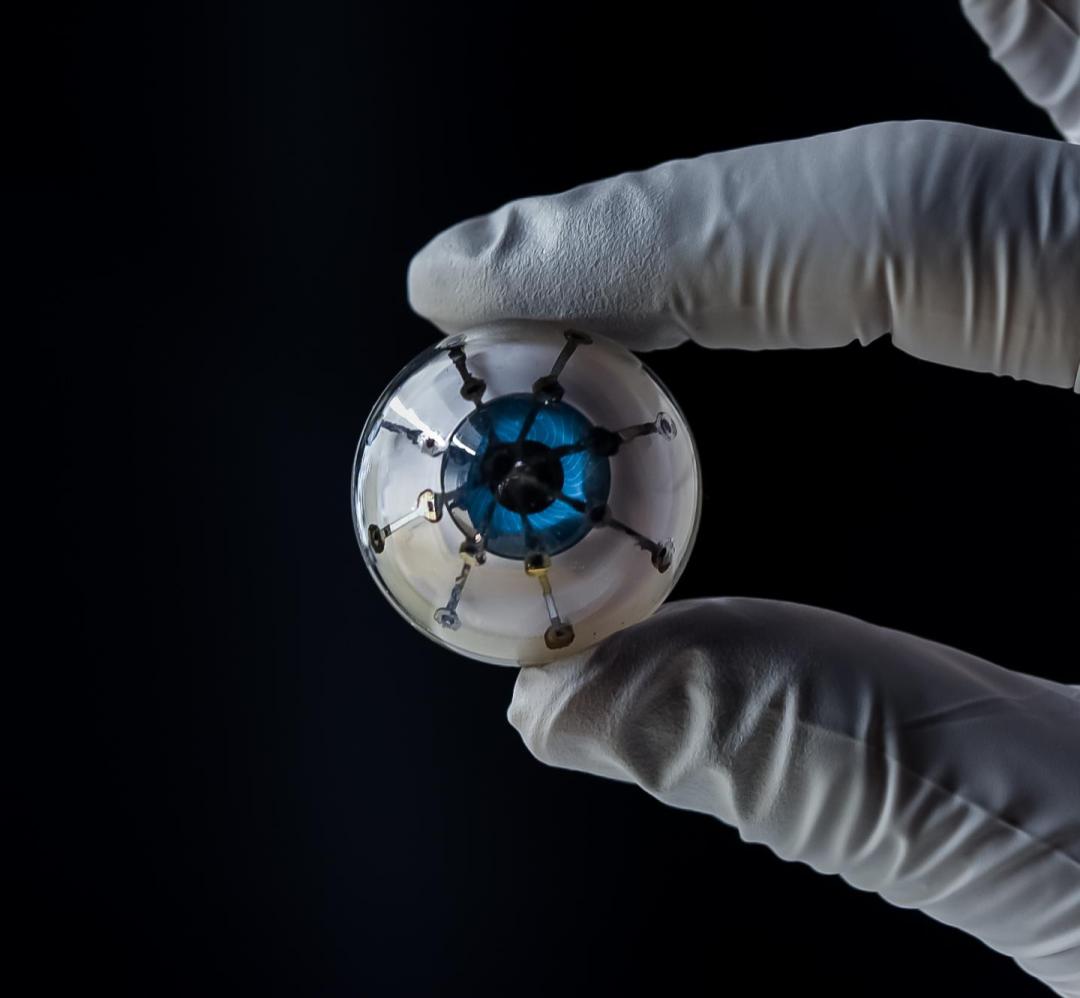
Image: Prototype for a “bionic eye” designed by researchers at the University of Minnesota via AAAS
Credit: University of Minnesota, MCALPINE GROUP

“The innovations I describe here—many of which are still in early stages—are impressive in their own right. But I also appreciate them for enabling the shift away from our traditional compartmentalized health care toward a model of ‘connected health.’ We have the opportunity now to connect the dots—to move beyond institutions delivering episodic and reactive care, primarily after disease has developed, into an era of continuous and proactive care designed to get ahead of disease. Think of it: ever present, analytics-enabled, real-time, individualized attention to our health and well-being. Not just to treat disease, but increasingly, to prevent it.”

12 innovations that will revolutionize the future of medicineAnalytics-enabled, individualized attention will not just treat disease, but increasingly, prevent it by D. Kraft via National Geographic.

Medicine, Art, & Ambiguity

Art-that-heals-2
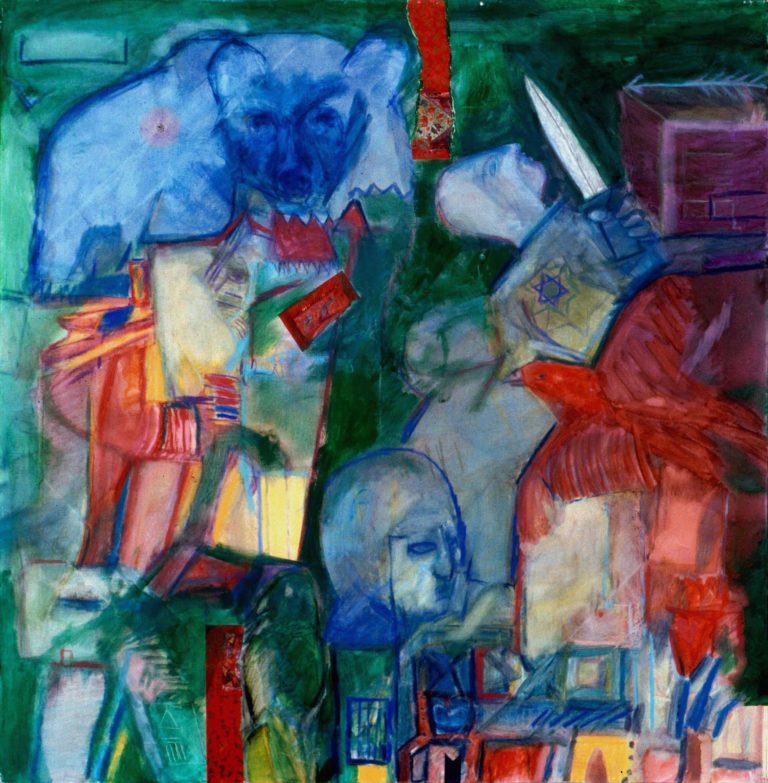
The Pain of Childhood Illness. Dr. Jaswant Guzder painted her son’s experiences during his treatment for aplastic anemia at the Montreal Children’s Hospital. The painting was part of the 2016 Journeys Through Health exhibition via Art that heals McGill Med-E News.

“A growing body of research suggests that early exposure to art interpretation in medical education may in fact increase students’ ability to tolerate ambiguity. The educational approach known as Visual Thinking Strategies (VTS) involves group discussion of art images where learners are encouraged to carefully observe pieces, verbalise their personal interpretations, and interact with their peers’ viewpoints while affirming the co-existence of multiple possible meanings. Research suggests that tolerance for ambiguity is a ‘state’ not a ‘trait.’ This means that our ability to admit uncertainty—whether in art or in medicine—can be taught, and that programmes such as VTS may help us to hone these skills.”

It’s not all black and white––can art help doctors navigate medical uncertainty? by Olson via the BMJ Opinion.