
Greetings!
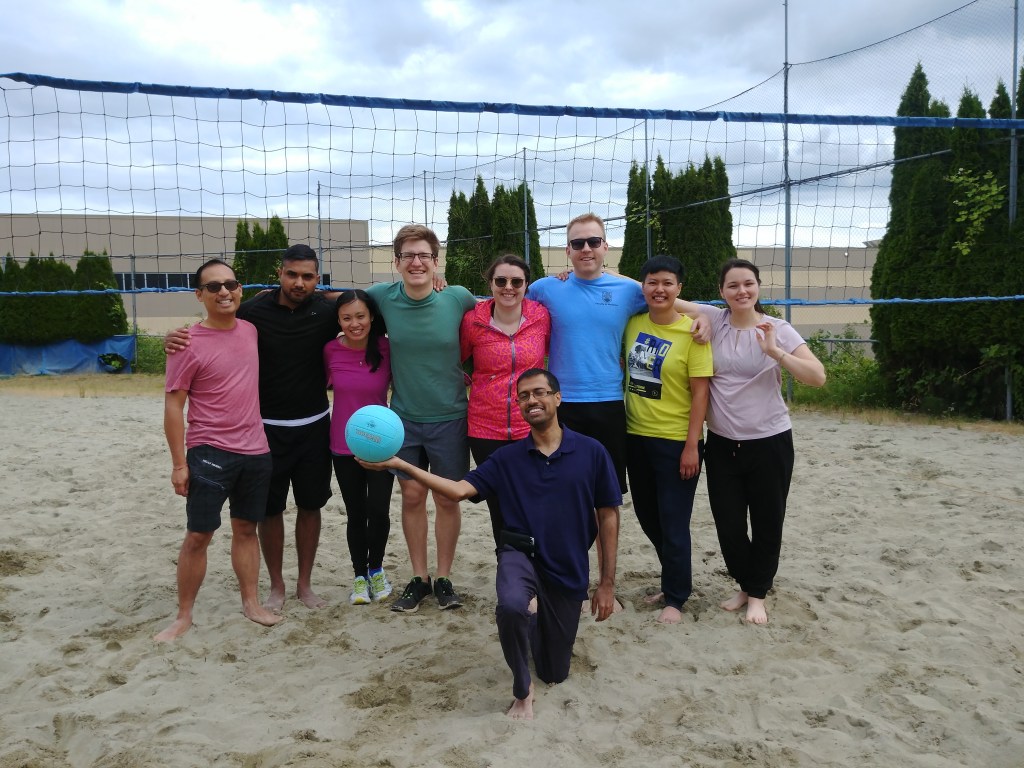
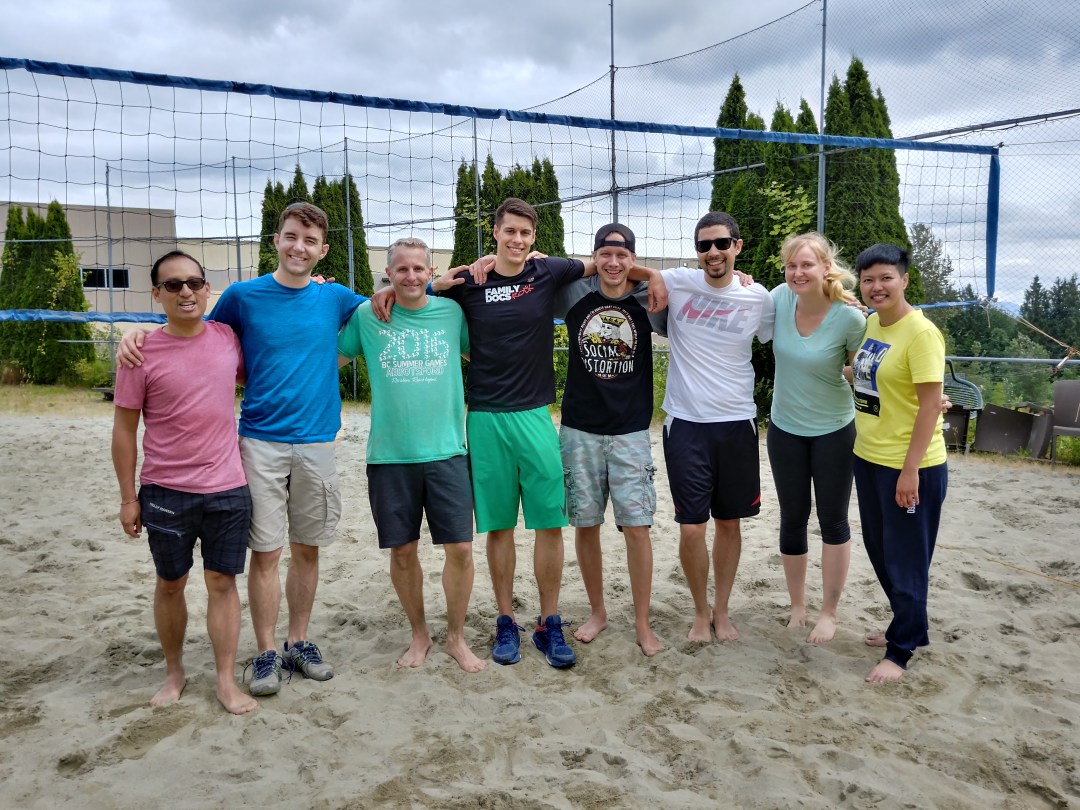
Let me start this off by saying that I’m quite shocked at the outcome of this tournament! I thought my R2s had it in the bag and then Dr. Dan Metcalf (R1) served. Honestly, I think we’re all still recovering from his domination. As winners of the 3rd Annual R1 vs. R2 Volleyball Tourney, R1s received their Henry Weinhard Root Beer trophy!
Second place team members have to compose a limerick based on their field notes and have it submitted to me by Friday, July 6th. The limericks will be reviewed and a winner announced Monday, July 9th. The winner receives a fantastic consolation prize! 🙂
I want to thank those of you that came out to play and those that joined us for support. Hands down this is one of my favourite events that we share with our Residents and the best way to end a season.
Much love to you all this summer!
Jacqueline


 Greetings All!
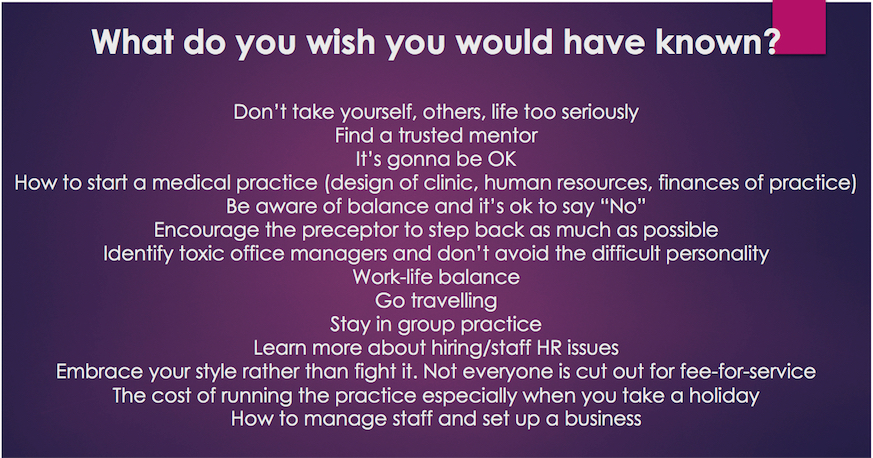
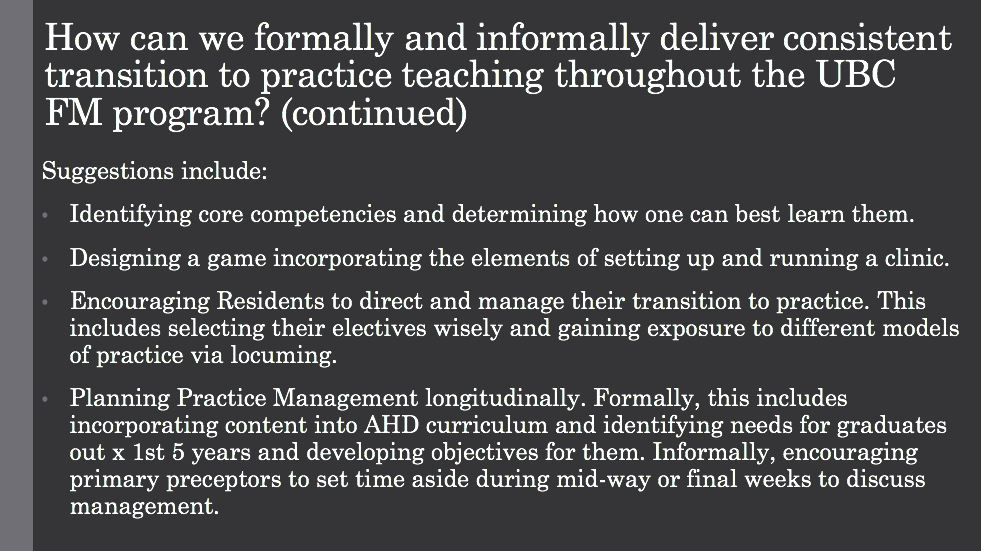
 We also asked Preceptors to share their views on how to formally and informally address the delivery of content. This sparked a dialogue regarding whose responsibility it is to teach Practice Management. Based on our conversation, several Preceptors felt that Residents are responsible for their transition to practice and satisfying its corresponding curriculum objectives. Preceptors did recommend designing and developing a standardized curriculum; specifying the curriculum objectives and core competencies; partnering with business leaders on the topic; and a transition to practice game: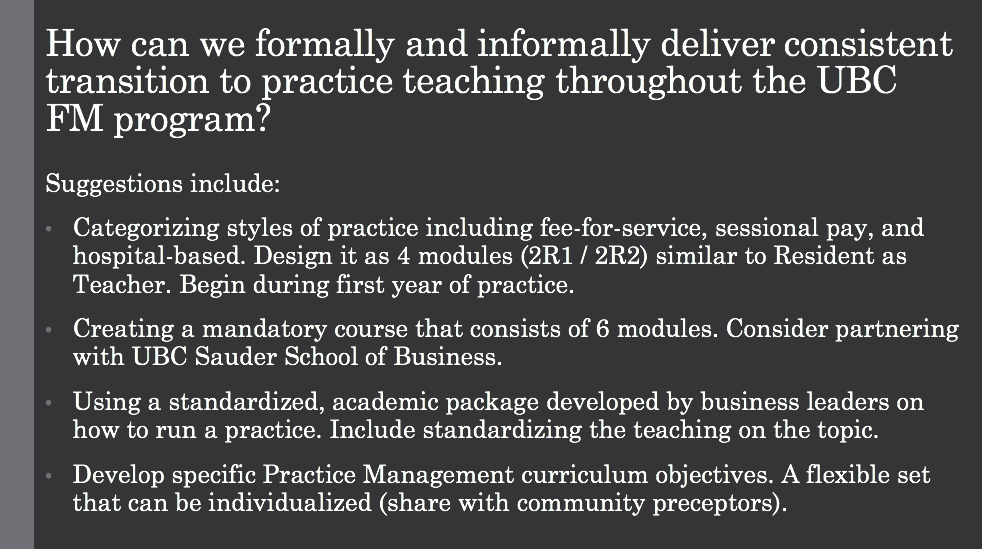
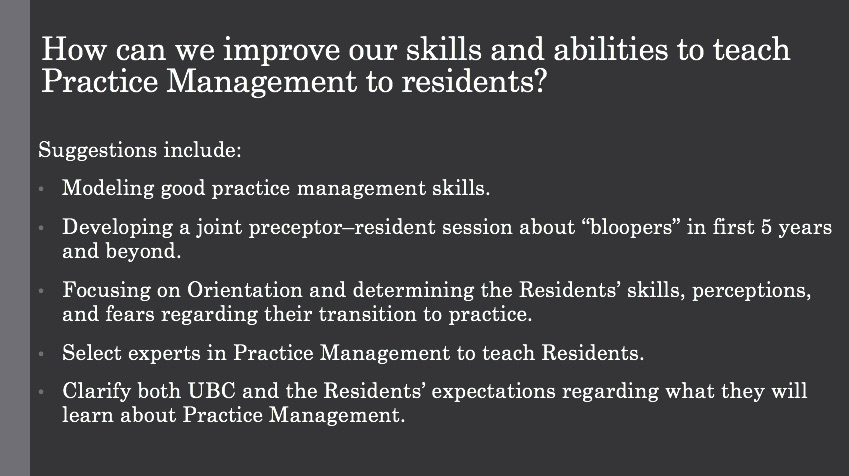
 We completed the session eliciting Preceptors’ thoughts on teaching Practice Management. Participants expressed that modelling best practice is important and essential in educating Residents; however, they again encouraged their learners to take initiative and clarify their expectations about what they hope to achieve and experience during residency.
 Transitioning to practice is a stressful and anxious period for many Residents. Medicine’s body of knowledge continues to expand and evolve in its complexity. The shift from the cottage industry to the corporate model is limiting Residents’ access to mentorship. Generational differences in work-life balance are creating a tension between emerging and established practitioners. Implementing a mentorship program for Residents and offering learners the opportunity to manage a clinic are approaches to providing Residents greater exposure to the content while reinforcing an experiential education.