Course Description: This is a highly interactive course on common and new therapeutic issues from an evidence based perspective. The scope of information is broad, practical and often controversial, appealing to physicians, nurse practitioners and pharmacists.
This Group Learning program has been certified by the College of Family Physicians of Canada and the British Columbia Chapter for up to 12 Mainpro+ credits.
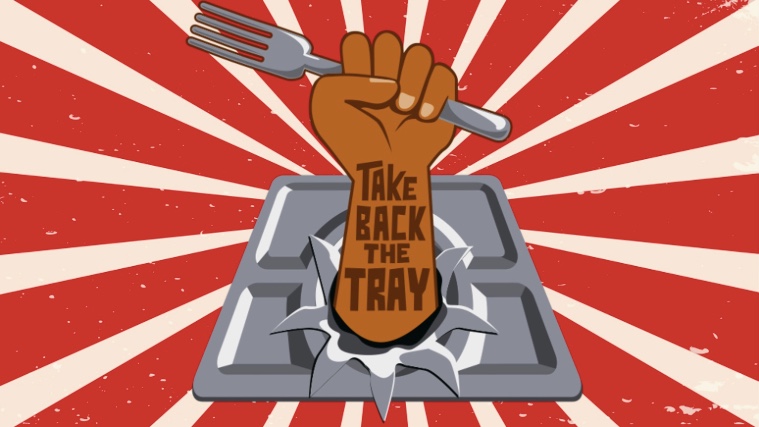
Food activist and chef Joshna Maharaj launches a movement to Take Back the Tray.
“Patients in hospital need to eat nutritious food to heal. Yet research suggests that 51 per cent of young children admitted to hospital in one study lost weight, as did nearly 45 per cent of adult patients. Some are too sick to eat. Many others leave the food tray untouched, leading to about 1.3 kilograms of food per bed to be thrown out each day. By one Canadian estimate, about half of the food placed at patients’ bedsides went to waste.”
UBC’s Preceptor Role Description is available! Download here.
Hat tip to brain scientist and fellow mountain climber, Dr. Todd Maddox, for his fantastic article on the learning science of expertise. Thank you Todd for sharing your work and brilliance! More here on Building Healthcare Expertise with Virtual Reality.
Great piece out of the New Yorker. The personal toll of whistle blowing: Why one physician took the risk of becoming an F.B.I. informant to expose alleged Medicare fraud by Sheelah Kolhatkar.
Good news! As of 2019, the AMEE CPD Webinar Series will be entirely free!
Next session is on “Physician assessment: What strategies do physicians use to assess themselves? How effective are these strategies in facilitating change?”
Facilitator: Jocelyn Lockyer, Cumming School of Medicine
Date: Monday, February 4, 2019
Time: 6:00 a.m. Pacific Time Register here.
This webinar will review the research and theory related to self-assessment, the assessment methods that physicians use, the outcomes physicians typically achieve, and propose approaches that may increase the outcomes from assessment activities. Participants will describe how they have increased the viability and uptake of assessment data.
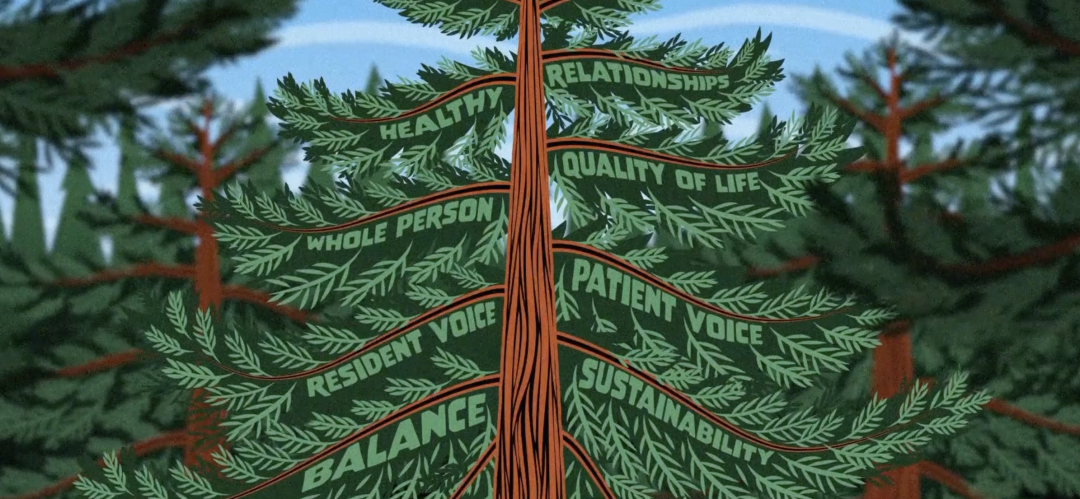
A big thank you to the staff and residents of Maplewood Care Society including CEO Heidi Mannis, Resident Director Krista Homfeld, and Board President Ann Douglas for taking the time and energy to explain the role and responsibilities of long-term care environments. We also learned about the innovation and creativity that’s necessary in these settings in order to accommodate families and support residents’ quality of life.
Anne was kind enough to forward us a series of resources that you may find useful:
As part of our ongoing Design Thinking curriculum, our learning objectives for this session and field trip include understanding how to:
FM Expert: Provide continuity of care to a patient population through coordination, advocacy and interdisciplinary collaboration in a variety of settings.
Collaborator: Apply strategies to integrate and engage health care profession colleagues in respectful shared decision-making.
Communicator: Actively elicit and synthesize information from and perspectives of patients and families, colleagues and other professionals.
Manager: Integrate community resources to support continuity of patient care including other health professionals, community agencies and groups either within the community or on referral out of the community.
Health Advocate: Identify barriers to improved health, and accessing resources in the community, and work to ameliorate these barriers.
I know that several of you expressed suggestions to Ann about how long-term care may be improved. We encourage you to continue sharing these ideas and recommendations with us.
“Consider that we don’t have a clear national picture of the vaccination rate in particular towns and cities. We don’t know the Canadian marriage or divorce rate. We don’t know how much drug makers pay the Canadian doctors who are charged with prescribing their products. We don’t have detailed data on the level of lead in Canadian children’s blood. We don’t know the rate at which Canadian workers get injured. We don’t know the number of people who are evicted from their homes. We don’t even know how far Canadians drive – a seeming bit of trivia that can tell us about an economy’s animal spirits, as well as the bite that green policies are having.
Our ignorance is decades in the making, with causes that cut to the heart of Canada’s identity as a country: provincial responsibility for health and education that keeps important information stuck in silos and provides little incentive for provinces to keep easily comparable numbers about themselves; a zeal for protecting personal privacy on the part of our statistical authorities that shades into paranoia; a level of complacency about the scale of our problems that keeps us from demanding transparency and action from government; and a squeamishness about race and class that prevents us from finding out all we could about disparities between the privileged and the poor.”
“The most powerful path to being sustainable as a healthcare institution isn’t through turning off the lights or unplugging electronics – it’s in changing the way that patients eat.”
Interesting discussions are taking place this week regarding Canada’s Food Guide. I hope that these conversations and changes spark further thought, innovation, and creativity around providing healthier food options in our educational institutions and hospitals. As an idea, ARHCC may want to consider partnering with UFV’s Culinary Arts to design a socially and ecologically responsible food services program that offers patrons a locally-produced, plant-based menu. The collaboration between Abbotsford’s hospital and university could result in a very fruitful relationship that benefits the health and wellness of our community!
Here are a few other items on the plate:
Wilderness Medicine Elective for Resident Physicians via McGill.
“How food is produced, what is consumed, and how much is lost or wasted all heavily shape the health of both people and planet. The EAT-Lancet Commission presents an integrated global framework and for the first time, provides quantitative scientific targets for healthy diets and sustainable food production. The Commission shows that feeding 10 billion people a healthy diet within safe planetary boundaries for food production by 2050 is both possible and necessary.”
Canada’s Food Guide is now available online. The site provides consumers with educational resources as well as healthy eating habits, tips, and recipes. Policy makers and health professionals may review the updated guidelines here.
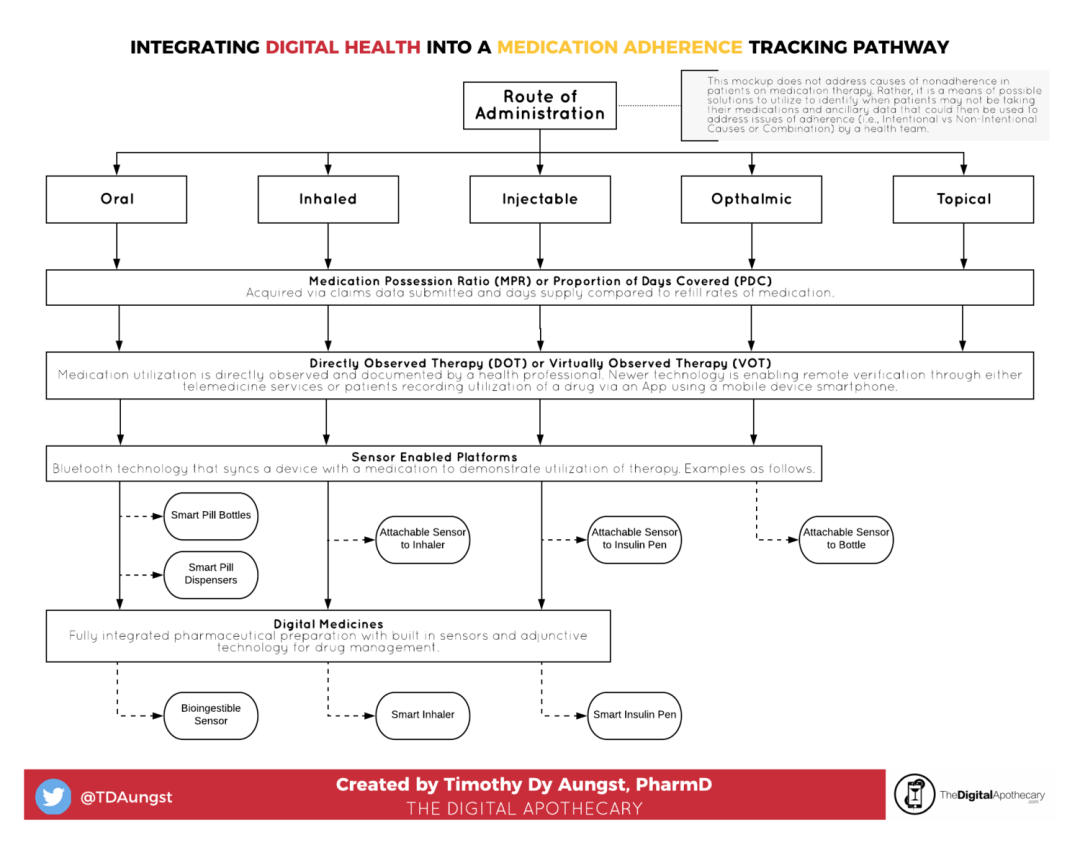
After Timothy Aungst, PharmD read Kini & Ho’s (2018) “Interventions to Improve Medication Adherence: A Review” he designed the tracking pathway above to illustrate the process and place where digital health technologies may play a meaningful role in tracking medication adherence:
“The key thing I am pointing out here is tracking and not modifying adherence. I do not think we are there where technology alone can be a digital therapeutic (maybe with time though) that can change adherence alone. Rather, I support the use of digital technologies as an adjunct tool to track actionable data to be utilized by a health team to intervene on medication adherence with objective data points.”
Timothy Aungst on How to Track Medication Adherence with Digital Health Technologies
Starting off our new year, I want to connect with you and learn how your journey is progressing. As your Program Coach, one of my objectives is to meet with Preceptors and Residents to discuss your goals and ideas as well as provide you with the educational resources you need for success. We’ve also got a few events in the works that I’d like to gather your thoughts on. I’ll be reaching out via email to schedule you in! Coffee is my treat!





 Family Medicine Residency Site: Abbotsford-Mission