
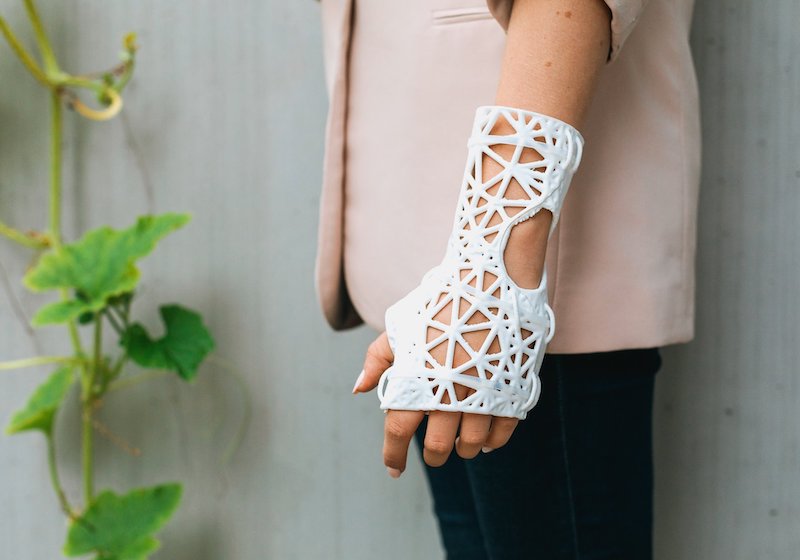
 These 3D printing personalized, waterproof, removable, lightweight casts designed by CastPrint are breaking the mold. Learn more on the future of personalized healthcare here.
#InnovationByDesign #MadeMeLook
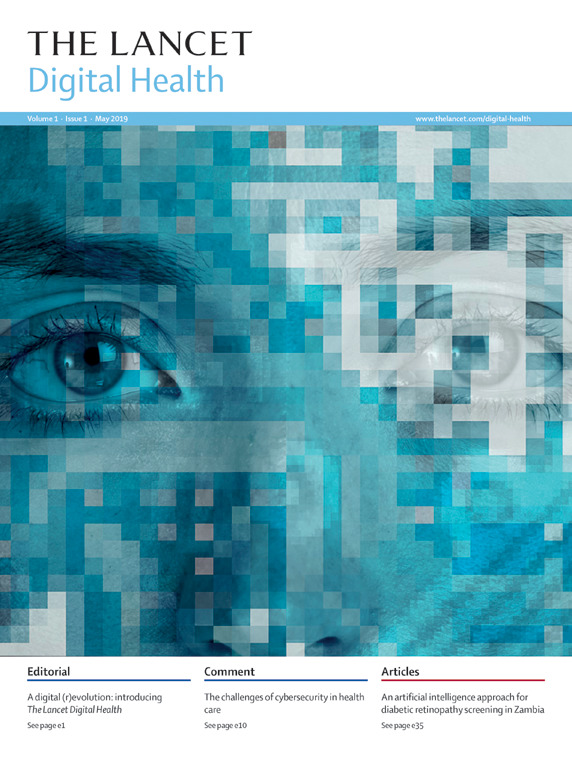 The inaugural issue of The #LancetDigitalHealth is now live! Access the journal here.
Featuring an Editorial plus three research articles on closed-loop insulin delivery for type 1 diabetes, a mobile phone intervention vs standard care adherence support after second-line antiretroviral therapy failure for HIV, and artificial intelligence using deep learning to screen for referable and vision-threatening diabetic retinopathy in Africa. All content is #openaccess. AI digitalhealth medicaldevices telemedicine CyberSecurity digitalmedicine
Student Mistreatment from UBC MedIT on Vimeo.
Dr. Gurdeep Parhar, UBC Executive Associate Dean of Clinical Partnerships and Professionalism & Clinical Professor, Department of Family Practice.
Learn more about mistreatment, if mistreatment happens, contacts, reporting process and outcome, confidentiality, and references at UBC Faculty of Medicine: Mistreatment Help.

Greetings All! Reminder that our Faculty Development Breakfast is tomorrow:
Tuesday, April 30 from 7:30 a.m. – 9:00 a.m.
Location: ARHCC Baker 1 Conference Room, Abbotford
Facilitator: Jacqueline P. Ashby, Ed.D.
Register here.
In this session we will cover the latest research in identifying learners in difficulty as well as discuss some of the advancements in virtual medicine as it relates to education and patient care. I’m also going to share 2-3 pearls from the Wilderness Medicine Conference! Residents are invited!
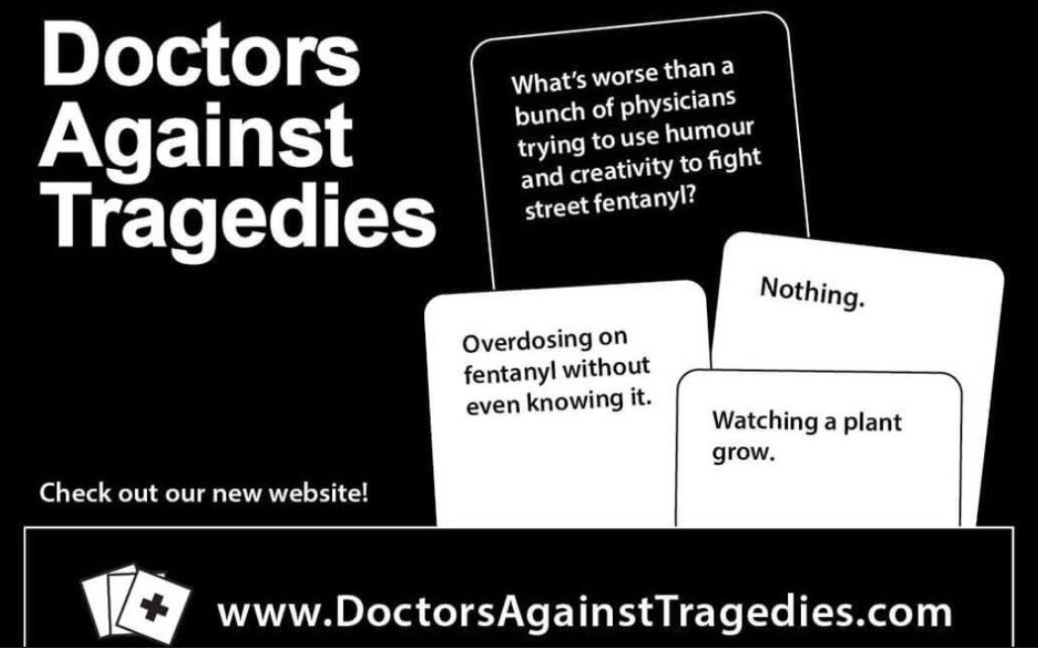
“Inspired by Cards Against Humanity, this party game is designed to save lives. Unlike most social awareness campaigns, Doctors Against Tragedies is fun and educational. We are not here to scare you. We just want you to know the facts.”
Learn more at Doctors Against Tragedies and download the game for free!
Dr. Adam Gazzaley, MD, PhD Professor of Neurology, Physiology, and Psychiatry at University of California, San Francisco in Tools of Titans by Tim Ferriss.
Sending love to all our UBC Residents who are taking their exams this weekend! You got this!
#BeFearless
More on Systemantics: How Systems Really Work and How They Fail by Dr. John Gall.
#RethinkingOurHealthCareSystem #KeepItSimplePrinciple
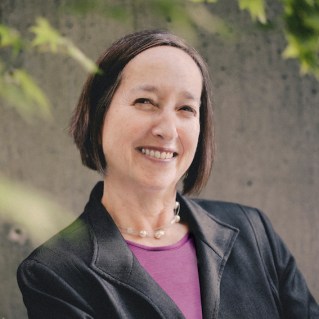 Join Carolyn to explore “relationship-based care” for better patient experiences and outcomes, and to provide a more rewarding professional life. Understanding your patient’s care goals, expectations, fears, values and social landscape can build greater patient self-efficacy and initiative, and also daily opportunities to see how you are making a difference in lives. She will draw on her own experiences in uncovering new dimensions to patient harm, strategies for greater patient safety and developing systems resilience from an ecosystem perspective of care. Co-design and co-delivery with patients and family members as your improvement partners offers refreshing innovation and collaboration as a regular part of the workday. We’ll describe small practices that can deliver big rewards for everyone.
Academic Half Day
Thursday, April 25, 2019
ARHCC Baker 103 Conference Room
9:30 a.m. – 11:30 a.m.
Preceptors and Clinical Educators are welcome to attend!
Carolyn Canfield works as a citizen-patient across Canada and internationally to expand opportunities for patients, carers and communities to partner with healthcare professionals. Following personal tragedy in 2008, her full-time volunteering has earned her recognition as Canada’s first Patient Safety Champion in 2014, appointment at UBC as Adjunct Professor in the Department of Family Practice, and membership on UBC’s MD Admissions Subcommittee member. She co-founded BC’s Patients in Education(PIE) and the national Patient Advisors Network (PAN) to develop capacity and leadership in citizen-patients.
The recent “patient engagement” issue of Longwoods’ Healthcare Quarterly, featured Carolyn’s commentary: “The Capacity for Patient Engagement: What Patient Experiences Tell Us About What’s Ahead.”
Sleep makes us better at everything. “The disruption of deep sleep is contributing to cognitive decline,” Walker says—in aging patients at risk of or already experiencing dementia, and even in healthy people. “You need sleep after learning, to essentially hit the save button on those new memories so you don’t forget. But recently we’ve discovered that you also need sleep before learning. Almost like a dry sponge to suck up new information. Without sleep, the brain becomes essentially water logged.”

“Women have represented roughly half of medical school matriculants for the last 20 years but account for only 22 percent of full professors, and 16 percent of deans and department chairs in U.S. medical schools.
…
Research across science and medicine shows that women continue to be underrepresented in visible roles. Robyn Klein questioned this discrepancy when she saw that only 13 women were chosen out of 85 invited conference speakers at a neuroimmunology conference. She was told there just weren’t enough highly qualified women in the field. In response, Klein gathered data showing that men and women in neuroimmunology publish at equal rates in high impact journals.
…
The mission of 500 Women in Medicine is to serve society by making medical knowledge and expertise more collaborative, accessible and inclusive. We strive to unite and connect women physicians across the country and around the world, empower women physicians to grow to their full potential in the field of medicine, and to create a platform promoting visibility for women physicians.”
More on Amplifying the Voices of Women in Medicine: The field has plenty of talented women, but to reach leadership roles they must have visible and recognizable roles within medicine and in the public (2018) by Dr. Kate Gerull via Scientific American.
 Family Medicine Residency Site: Abbotsford-Mission