
 During the Pub & Papers 2019: Scholar & Preceptor Appreciation event, we had the opportunity to connect with our University of Fraser Valley colleagues. UFV student, Joleen Prystupa, is currently conducting a study from September to October investigating the role of physical activity on anxiety in cancer survivors. There’s a great deal of research looking deeper into depression, fear, anxiety, and post-traumatic stress disorder in cancer survivors. It’s wonderful to learn that we have a study on the topic occurring right in our backyard! To learn more about Joleen’s work and to participate, please contact her at Joleen.prystupa@student.ufv.ca
The Business of Health Care
“The health care system needs to be restructured to reflect the realities of patient care. From 1975 to 2010, the number of health care administrators increased 3,200 percent. There are now roughly 10 administrators for every doctor. If we converted even half of those salary lines to additional nurses and doctors, we might have enough clinical staff members to handle the work. Health care is about taking care of patients, not paperwork.
Those at the top need to think about the ramifications of their decisions. Counting on nurses and doctors to suck it up because you know they won’t walk away from their patients is not just bad strategy. It’s bad medicine.”
More on the The Business of Health Care Depends on Exploiting Doctors and Nurses by Dr. Danielle Ofri via The New York Times.
Pub & Papers 2019!

Join our UBC Abbotsford-Mission Family Practice Residency Program tonight as we recognize our Residents’ scholarly achievements and celebrate our Preceptors who have contributed to our Residents’ journey! This informal evening is an opportunity for our Residents to share their research with our surrounding community and for our program to continue to network, collaborate, and build upon the ideas and insights emerging from our Residents’ work.
Date: Thursday, June 6, 2019
Location: Abbotsford Regional Hospital & Cancer Centre
Learning Centre Conference Rooms 3A & 3B
32900 Marshall Road, Abbotsford
Time: Dinner (alcohol-free) begins at 7:00 p.m. / Presentations from 7:30 to 9:00 p.m.
Agenda & Scholar Project Summaries here.
Participants, please complete UBC’s online 2019 Local Scholar Day Evaluation Form.
This event is sponsored by the 
Canadian Patient Experiences Survey on Inpatient Care
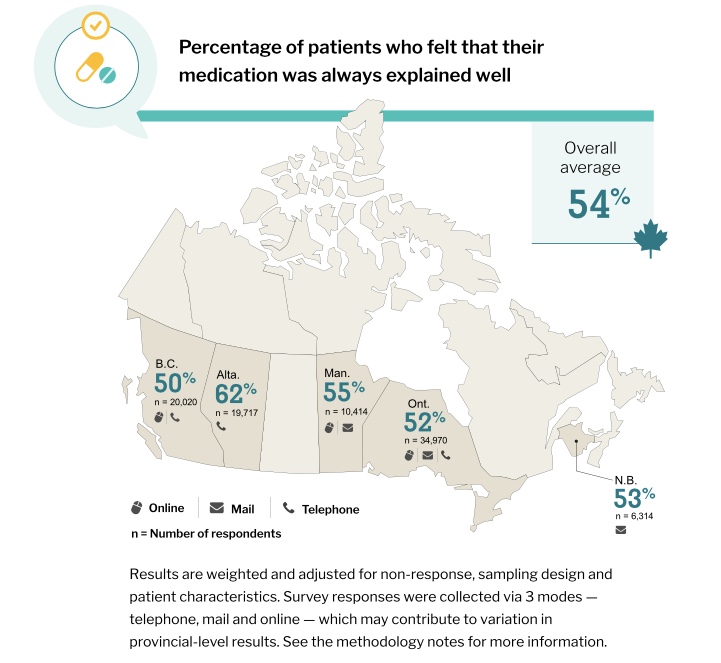
The Canadian Institute for Health Information released the results of their first survey on patient experience during their care in Canadian hospitals. The Canadian Patient Experiences Survey on Inpatient Care (CPES-IC) gathered feedback from over 90,000 respondents from 300+ acute care hospitals. Based on the results, British Columbia needs improvement especially in communication and explanation of care from their physicians. The Patient Oriented Discharge Summary (PODS) may be one step to help address some of our issues in BC regarding patient access to important information following discharge. Overall, the survey provides important feedback for UBC’s Faculty of Medicine and their education and training of healthcare professionals.
New Department Head
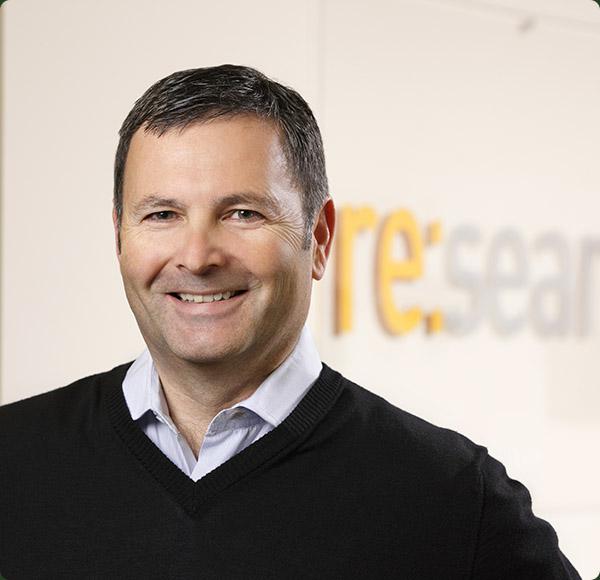
A very warm welcome to Dr. Robert Petrella, our new Department Head of Family Practice, as of Oct 15, 2019. And a huge thanks to our interim co-heads, Drs. Christie Newton, Ian Scott, and Price McKeon, for their leadership & flexibility. (via @UBCDFP)
Friday Link Pack
If you enjoyed Jared Diamond’s Guns, Germs, and Steel: The Fates of Human Society you may want to check out his latest work Upheaval. Watch the brief interview with Bill Gates to get a sense of what Diamond learned during the research and writing his new piece.
Here are a few other things that peaked my interest this week:
Stanford engineers develop an efficient prosthetic foot.
Two types of drugs you may want to avoid for the sake of your brain via Harvard Women’s Health Watch.
The Lancet releases a new series on Gender Equality, Norms, and Health.
Can tech objectively assess pain? via Wired.
UBC is hosting #Congressh next week!
Steroids can reduce lung cancer risk in COPD patients via UBC.
Augmented reality app teaches empathy via UBC.
Ottawa2020 registration and abstracts are now open! Consider submitting an abstract on your Scholar Project 🙂
What’s the best way to reheat coffee? And if you insist on using a microwave, here’s what you need to know.
We have our Pub & Papers 2019: Scholar & Preceptor Appreciation Evening next week! Looking forward to the event!
Have a great weekend!
Jacqueline
Open Insulin Project
“Diabetes has become the most expensive disease in the United States, reaching $327 billion a year in health care costs, $15 billion of which comes from insulin. And the cost of insulin keeps climbing: It tripled in price from 2002 to 2013 and nearly doubled again between 2012 and 2016. For instance, in 1996, a vial of Humalog, a standard insulin produced by Eli Lilly, cost $21. Today, the list price is $324, an increase of more than 1,400%. Without insurance, costs from diabetes care can tally up to thousands of dollars per month. As a result, 25% of the 7.4 million Americans on insulin have started to ration the drug, which can result in deadly consequences.
….
Open Insulin estimates it will take at least $10,000 to purchase the equipment, including pumps, plumbing, pH and oxygen sensors, and a sterilization system, to produce insulin on a large scale. But once the system is up and running, all you have to do is provide the yeast with sugar and growth medium, which cost next to nothing. And a 10-liter culture of yeast can make enough insulin for 10,000 people. Based on these rough calculations, Di Franco estimates that an insulin factory for 10,000 people could be created with an initial investment of just $1 per person.
….
Jean Peccoud, the chair of synthetic biology at Colorado State University who has written about the project, is more optimistic. ‘A lot of the pieces are missing, and I don’t know what the solution looks like, but it’s not unreasonable to think about developing it,’ he says. ‘The technology is there to make it possible to think a little bit outside of the box.'”
More on Biohackers With Diabetes Are Making Their Own Insulin: Diabetes is a punishingly expensive disease. In an Oakland warehouse, scientists are going DIY by Dana Smith via elemental
The Open Insulin Project: A Case Study for ‘Biohacked’ Medicines (2018) by Gallegos et al via Trends in Biotechnology.
#OpenInsulinProject #OutsideTheBox
Athletes Return to Pre-Injury
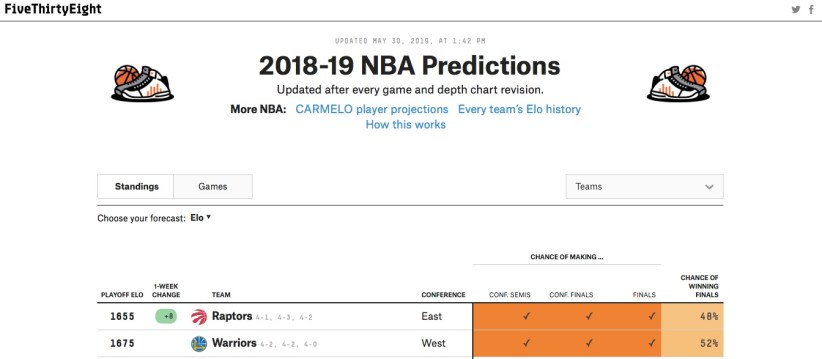
Big game coming up tonight! FiveThirtyEight’s Elo rating system narrowly predicts the #Warriors. What’s heavily influencing the outcome of the series are injuries plaguing some of the top performers and their clearance to play during the finals. Here’s an interesting piece on the topic Well-Come Back! Professional Basketball Players Perceptions of Psychosocial and Behavioral Factors Influencing a Return to Pre-injury Levels (2019) by Conti et al via Front. Psychol.
“Moreover, of the studies examining psychosocial factors influencing return to competitive sport levels, few have focused on professional athletes, and to our awareness, none have focused on the sport of basketball. As Heil (1993) asserts, elite athletes can serve as templates for others given their strong achievement orientation, their task focus, and ability to handle pain.” ~ Conti et al (2019)
#WarriorsInSix
AMEE CPD Webinar
The next webinar in the AMEE CPD series will be presented by Simon Kitto on the topic “Knowledge translation, patient safety, continuing education, faculty development and quality improvement: opening up the CPD imagination” on Monday, June 3, 2019 at 14:00 (2pm) BST/UK (0600 PST).
This presentation explores the relationship between knowledge translation (KT), patient safety (PS), continuing education (CE), faculty development (FD) and quality improvement (QI) with a view to stimulating new conceptualizations and effective operationalization of continuing professional development (CPD) across the health professions. Together, the forementioned individual modes of intervention activity committed to the improvement of patient care and health outcomes through the enchancement of healthcare professionals’ knowlege skills and clinical practice behaviour.
The AMEE webinar series is currently free of charge and you can register to view the webinar here.

