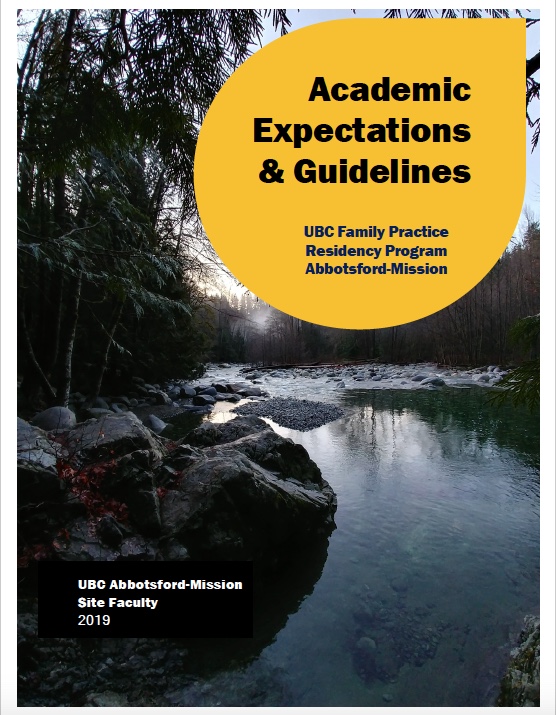
Greetings Residents! We’ve just released the updated UBC Academic Expectations and Guidelines for 2019. This document specifically addresses our site’s expectations regarding Academic Half Day, Journal Club, and Scholar Projects. Please review!
You can also access this document under our Residents tab above.
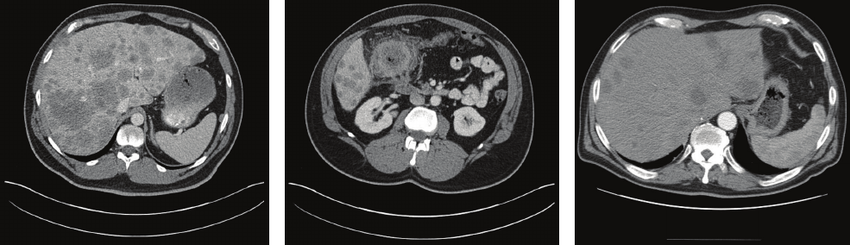
“Generative adversarial networks, the algorithms responsible for deepfakes, have developed a bit of a bad rap of late. But their ability to synthesize highly realistic images could also have important benefits for medical diagnosis.
Deep-learning algorithms are excellent at pattern-matching in images; they can be trained to detect different types of cancer in a CT scan, differentiate diseases in MRIs, and identify abnormalities in an x-ray. But because of privacy concerns, researchers often don’t have enough training data. This is where GANs come in: they can synthesize more medical images that are indistinguishable from the real ones, effectively multiplying a data set to the necessary quantity.”
Congratulations to one of our own! Dr. Todd Sakakibara, Primary Care Physician Vancouver Coastal Health, for his 2019 Health Care Hero award!
“Dr. Todd Sakakibara is a primary care physician at Vancouver Coastal Health’s Three Bridges Community Health Centre. He has made a long-term commitment to improving health care for residents of Vancouver’s vulnerable and under-served populations. His innovative approach to community medicine can be seen in his leadership of the Vancouver BOOST Collaborative at his clinic that sees the highest concentration of opioid overdose deaths. Improving access to integrated, evidence-based care for opioid users has resulted in a significant increase in the number of individuals who receive and remain on opioid treatment therapy.
Dr. Sakakibara is also an educator, researcher and mentor in the areas of LGBTQ health, substance use, mental health, transgender care, and addictions. Working with UBC’s Community Health Initiative, he developed an innovative, multidisciplinary rotation model to expose students and residents to the impact of the social determinants of health for marginalized populations in the downtown eastside.
In 2015, he was involved in a continuing professional development workshop called “But I Don’t Have any Gay Patients! Care for Men Who have Sex with Men,” which aims to build capacity for family physicians to provide primary care for this patient population, and move beyond sexual health into more complex issues.
For his commitment to improving health care in vulnerable and under-served communities, Dr. Sakakibara has been named this year’s Health Care Hero for Vancouver Coastal Health!”
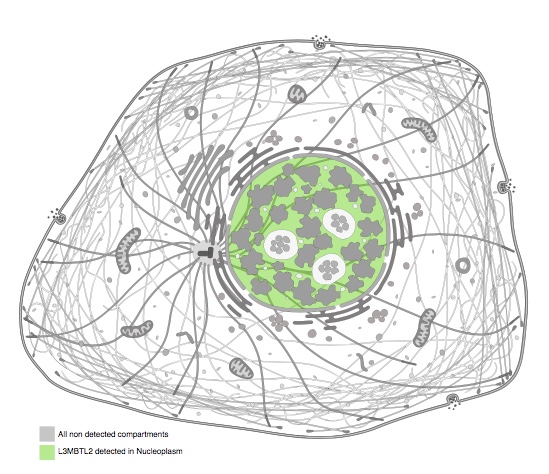
“Using the gene editing tool CRISPR, Lu and his team were able to look at how different genes affect the stress response, and they homed in on L3MBTL2 because it appears to play a protective role for cells. When L3MBTL2 was removed from cells and Lu’s team induced a stress response by exposing the cells to arsenic—a toxic element commonly found in the environment—the cells died. When they overexpressed the gene—or made more of the proteins that the gene consists of—the cells had a higher threshold for stress and didn’t self-destruct.
From a public health perspective, the findings are especially intriguing as Lu noted that the ER produces secretory proteins, including insulin and beta-amyloid, which are implicated in diabetes and Alzheimer’s disease, respectively. Understanding how L3MBTL2 affects ER-related stress responses may lead to new insights into how these diseases develop.”
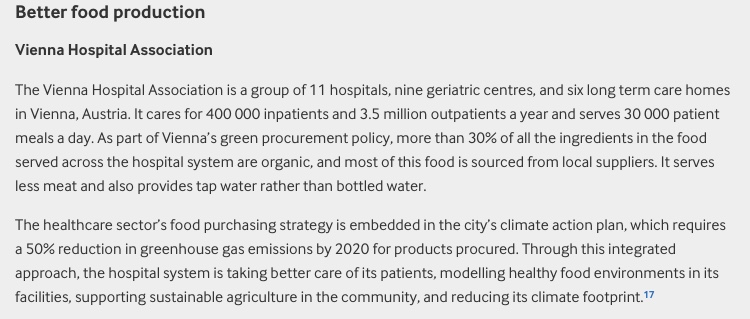
“Although many countries have not done an extensive assessment of their health sectors’ contributions to climate change, the NHS estimates that the health sector represents 39% of all public sector greenhouse gas emissions in England. In the US, healthcare contributes 9% of overall greenhouse gas emissions.
Pollution and toxic waste rank alongside climate change as major threats to health and sustainability, particularly for low income communities. The World Bank estimates that 23% of child deaths among residents of India could be attributed to pollution, which means that about 350,000 children aged under 5 years die every year as a result of bad air, contaminated water, or similar problems. Unfortunately, healthcare is an important contributor to morbidity and mortality from pollution. One study estimated that the indirect health burdens caused by emissions from the healthcare sector are commensurate with the health burden caused by preventable medical errors.
Increasingly, healthcare organisations of all sizes are implementing strategies to limit their harmful environmental effects. By switching to renewable energy and reducing healthcare waste, healthcare organisations can reduce greenhouse gas emissions and pollution, contribute to growth in renewable energy employment, and realise large financial savings.”
“Through the development of a simulation experience, Dr. Amanda Sauvé, a Métis family medicine resident at Royal Victoria Hospital in Barrie, is providing medical students and residents with a glimpse into what it is like to walk in the shoes of an Indigenous Person in Canada.
Stand Up for Indigenous Health is an Indigenous-specific offering of Stand Up for Health – an immersive simulation that allows medical trainees and other health professionals to gain a better understanding of the social determinants of health, through experiential learning. Leveraging the technology of a mobile app, participants are placed in the role of Canadians living in poverty and must interact, make choices, and solve challenges within their given set of circumstances.”
“China lacked medical resources in the early 1950s. There were only around twenty thousand physicians and several tens of thousands of traditional Chinese medical practitioners in the country. To fully utilize these limited resources and explore Chinese medicines, the national leadership launched programs in an effort to promote the ideas of enhancing the healthcare services through a ‘combination of Western and traditional Chinese medicines.’ Medical school graduates or young doctors were encouraged to learn traditional Chinese medicines, while experienced traditional Chinese medical practitioners were asked to enrich their knowledge by attending training courses on Western medicine. This unique combination not only proved beneficial to patients but also enabled further exploration and development of Chinese medicine and its application through modern scientific approaches.” ~ Dr. Tu Youyou
“Traditional Chinese medicine uses sweet wormwood to treat fever. In the 1970s, after studies of traditional herbal medicines, Tu Youyou managed to extract a substance, artemisinin, which inhibits the malaria parasite. Drugs based on artemisinin have led to the survival and improved health of millions of people. For her work, Tu received the 2011 Lasker Award in clinical medicine and the 2015 Nobel Prize in Physiology or Medicine jointly with William C. Campbell and Satoshi Ōmura. Tu is the first Chinese Nobel laureate in physiology or medicine and the first female citizen of the People’s Republic of China to receive a Nobel Prize in any category.”
More on Dr. Tu Youyou and her fascinating career in medicine here.

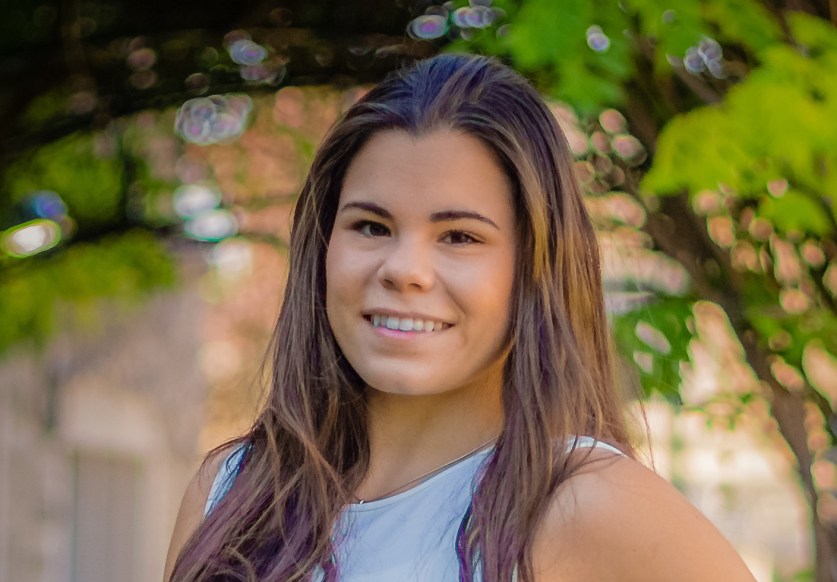 “Through the development of a simulation experience, Dr. Amanda Sauvé, a Métis family medicine resident at Royal Victoria Hospital in Barrie, is providing medical students and residents with a glimpse into what it is like to walk in the shoes of an Indigenous Person in Canada.
 Family Medicine Residency Site: Abbotsford-Mission