
“Scientists at the University of British Columbia are getting a rare glimpse into the underwater behaviour of northern and southern resident killer whales off the B.C. coast, with the help of aerial drones. The unique footage, filmed in collaboration with the Hakai Institute, will help researchers determine if endangered southern residents are getting enough of their preferred prey, Chinook salmon, to meet their nutritional needs. The insights will inform conservation and recovery efforts for the population that has dwindled to under 75 individuals. The footage in this video shows pods of northern resident killer whales, filmed in the Johnstone Strait off the north east coast of Vancouver Island, and off Calvert Island, on B.C.’s central coast.”
Learn more on Aerial drones offer new perspective on resident killer whale behaviour via UBC.
#ScienceHealthTechnology #WeShareThisSpace #KnowYourNeighbours #ClimateChange
 Reminder that our Peer Observation Project Dinner is tonight! We’d like to begin this second phase with a focus on Shared Goals & Action Planning. Our agenda is to share the summary of the team’s concerns, challenges, and ideas that were raised during
 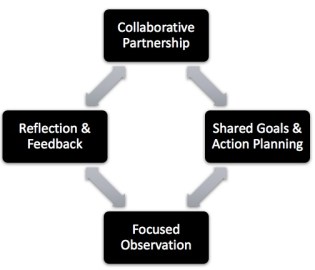 our first gathering. We’ll also collect your feedback on the observation template that was forwarded and determine how we can modify it to best address your needs. Then we’ll learn how you’d like to partner up. (Please see
  Faculty Development Breakfast: Clinical Education Transformation Project


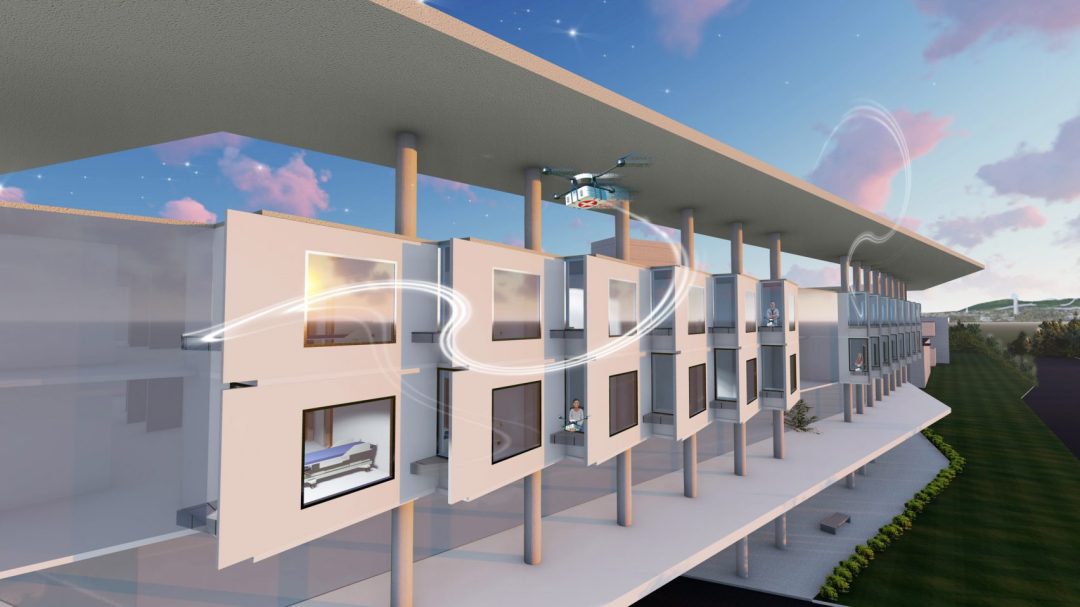 “Architecture and engineering firm Leo A Daly has proposed building ‘
 “One of the issues for me around abortion is that no one discusses it. The lack of understanding about the people who do abortions and the patients who get abortions is a problem as well as the lack of understanding about how many women get abortions and how common it is. Anything that can help dispel myths, that can bring abortion to the dinner table conversation, that can bring abortion topics into normal day-to-day life is important.” Dr. Deborah Oyer, Family Medicine Physician
 Family Medicine Residency Site: Abbotsford-Mission