
Hello Residents!
For those of you preparing your abstracts, I understand some of the confusion about writing a summary for a project that is still in progress.
Therefore, what I suggest is preparing a brief 250-word paragraph that encompasses the essence of the project. This should include the following:
1. Introduce the topic.
2. Indicate the gap in the literature and empirical research.
3. State the methodological approach. For #1-3, use the content from your project proposal and literature review.
4. Briefly summarize results. If your data has yet to be analyzed, then indicate that. If you are in the throes of conducting the analysis right now, then write something like “The preliminary results show….” By stating this, you’re indicating to the reader that you’re in the early stages of figuring out what the data means and its significance to your overall study.
5. Pithy conclusion. Finalize the abstract with a general statement about your findings, any recommendations, and what contributions you think the study has made to the topic of interest.
Please feel free to reach out with any questions and remember that the final abstract to the program is due December 13th so you still have a month to finish up!
Warm regards,
Jacqueline
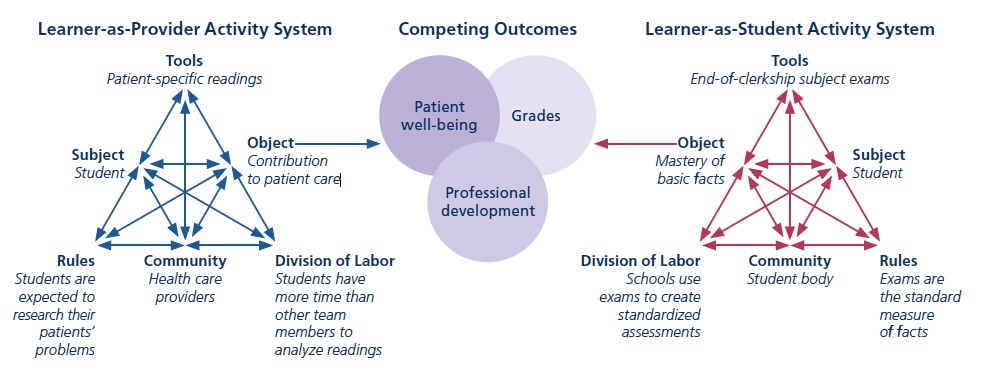 Model from
  UBC’s CHES is offering opportunities for senior residents (R3-R5), residents in enhanced skills programs (PGY3 Family Medicine), or established clinicians interested in health education scholarship. This fellowship is designed for those interested in developing an academic career as a clinician educator. More information can be found
  “There are so many ways to foster kindness to ourselves and to others. In the workplace, at school and at home, being compassionate leads to better outcomes. In medicine, the technology may be getting better but you can never replicate the kindness of a supportive caregiver. The connection between mental health and physical health is so critical.” ~ Dr. Kelli Harding
 “Many of our existing training options, like simulation mannequins and standardized patients, come with a big price tag. And while nothing can beat the experience of training in a real-life setting, the beauty of CyberPatient is that it allows students to overcome some of their nervousness and learn from their mistakes before ever meeting a real patient,” says Dr. Qayumi. “Essentially, it’s helping bridge the gap between theory and practice in medical education.”
 Family Medicine Residency Site: Abbotsford-Mission