A Clinician’s Guide to Artificial Intelligence (AI)

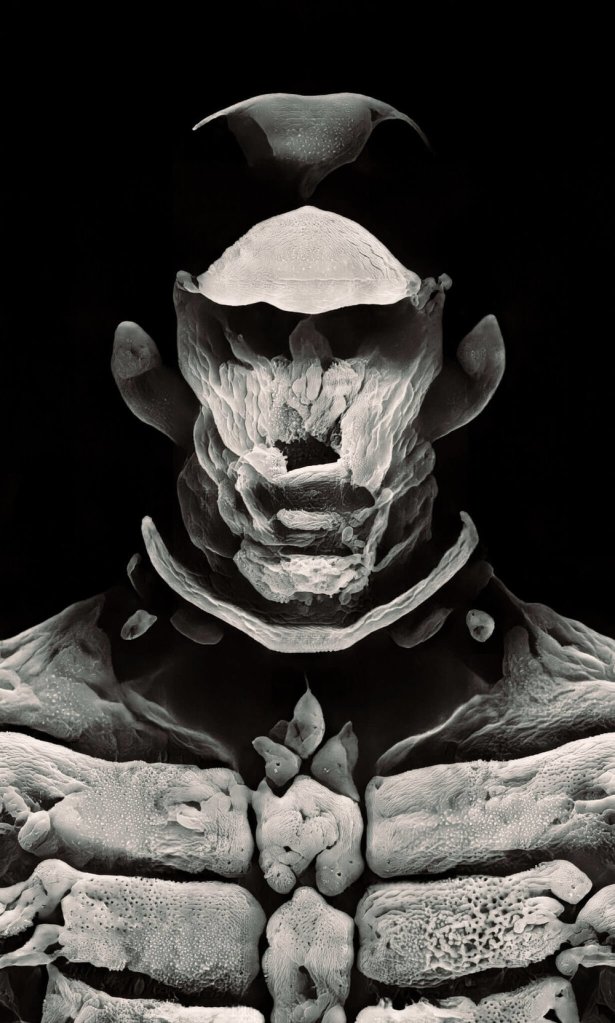
Microscopy by AI Artist Mario Klingemann

“Artificial intelligence (AI) in health care is the future that is already here. Despite its potential as a transformational force for primary care, most primary care providers (PCPs) do not know what it is, how it will impact them and their patients, and what its key limitations and ethical pitfalls are. This article is a beginner’s guide to health care AI, written for the frontline PCP. Primary care—as the dominant force at the base of the health care pyramid, with its unrivaled interconnectedness to every part of the health system and its deep relationship with patients and communities—is the most uniquely suited specialty to lead the health care AI revolution. PCPs can advance health care AI by partnering with technologists to ensure that AI use cases are relevant and human-centered, applying quality improvement methods to health care AI implementations, and advocating for inclusive and ethical AI that combats, rather than worsens, health inequities.”

A Clinician’s Guide to Artificial Intelligence (AI): Why and How Primary Care Should Lead the Health Care AI Revolution via The Journal of the American Board of Family Medicine.

Taking Love & Care Seriously

Raphael’s Cherubs, 1512-1513, Artist Raffaello Sanzio da Urbino

“While research on armed conflict focuses primarily on violence and suffering, this article explores the practices of love and care that sit alongside these experiences of harm. Motivated by our omissions to pay sufficient attention to love and care in our research to date, we ask: How can centering practices of love and care illuminate different pathways for understanding the remaking of worlds in the wake of violence? Building on interdisciplinary literature, we conceptualize love and care as practices and potential sites of politics that shape how people survive and make sense of violence as well as imagine and enact lives in its wake. Drawing from our respective research in Colombia and Uganda, we argue that paying attention to love and care expands scholarly understandings of the sites associated with remaking a world, draws attention to the simultaneity of harms and care, sheds light on the textured meanings of politics and political work, and highlights ethical and narrative dilemmas regarding how to capture these political meanings without reducing their intricacies. For each of the pillars of our argument, we propose a set of questions and avenues that can shape emergent research agendas on taking love and care seriously in contexts of armed conflict.”

More on Taking Love and Care Seriously: An Emergent Research Agenda for Remaking Worlds in the Wake of Violence via Oxford Academic.

Endocrine Treatment of Transgender & Gender-Diverse People

“Endocrine therapy is used to change the body’s physical characteristics to reduce gender dysphoria or incongruence. Feminizing endocrine treatment involves the use of ovarian hormones or anti-androgen drugs; however, venous thromboembolism or meningioma can be associated risks. Masculinizing endocrine treatment involves testosterone supplementation, but lower high-density-lipoprotein cholesterol, increased triglycerides, and risk of polycythemia may occur. In youth, gonadotropin-releasing hormone agonist therapy can be used as a reversible means of suppressing unwanted puberty and preventing irreversible body changes.

Physicians can provide treatment that achieves a patient’s goals and minimizes the risk of causing harm by conducting an initial assessment, prescribing medications based on individual factors, and providing follow-up treatment monitoring. Physicians who treat youth must be trained in childhood and adolescent developmental psychopathology. They must also be able to diagnose gender dysphoria or incongruence, establish the youth’s capacity to make decisions regarding their medical care and to understand the relatively irreversible changes in physical characteristics and reproductive capacity that will occur, and ensure that the youth has parental or other adult support and will be able to transition safely in their home setting. Counseling may be required for youth who suffer from anxiety, depression, or suicidality.”

More on Endocrine Treatment of Transgender and Gender-Diverse People via BC Medical Journal

Prediction of 3D Cardiovascular Hemodynamics

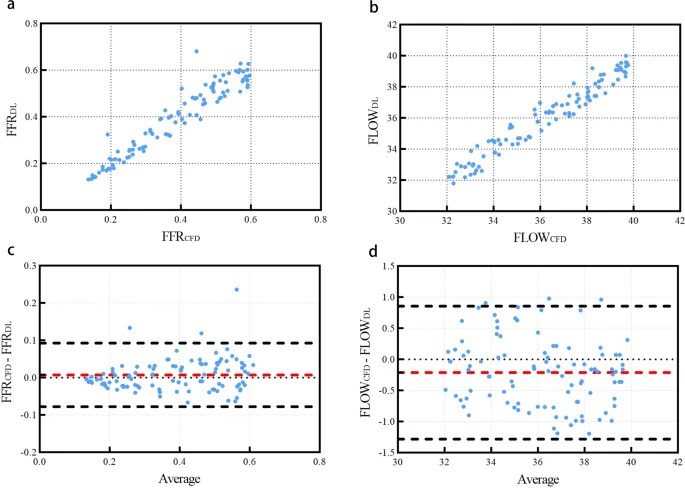
“The clinical treatment planning of coronary heart disease requires hemodynamic parameters to provide proper guidance. Computational fluid dynamics (CFD) is gradually used in the simulation of cardiovascular hemodynamics. However, for the patient-specific model, the complex operation and high computational cost of CFD hinder its clinical application. To deal with these problems, we develop cardiovascular hemodynamic point datasets and a dual sampling channel deep learning network, which can analyze and reproduce the relationship between the cardiovascular geometry and internal hemodynamics. The statistical analysis shows that the hemodynamic prediction results of deep learning are in agreement with the conventional CFD method, but the calculation time is reduced 600-fold. In terms of over 2 million nodes, prediction accuracy of around 90%, computational efficiency to predict cardiovascular hemodynamics within 1 second, and universality for evaluating complex arterial system, our deep learning method can meet the needs of most situations.”

Prediction of 3D Cardiovascular hemodynamics before and after coronary artery bypass surgery via deep learning via Nature.

A CaRMS Odyssey

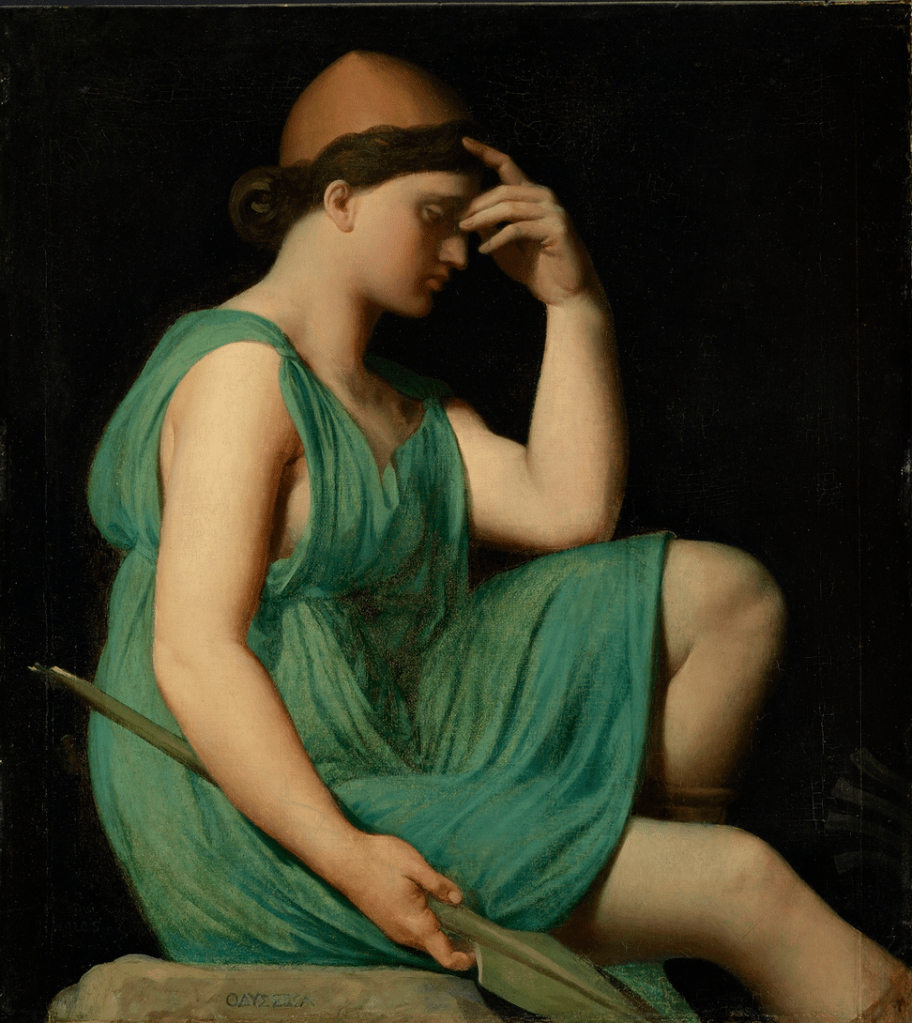
L’Odyssée (1850). Artist Jean-Auguste-Dominique Ingres.

“While CaRMS is officially and visibly bilingual, there are barriers to matching between English- and French- speaking medical schools that extend beyond language. Notably, there are different research traditions and other cultural distinctions with respect to student evaluation and support. Additional electives for unmatched students, for example, are not offered in French-speaking medical schools. While many English-speaking schools have extensive research and other opportunities that allow medical students to distinguish themselves for matching purposes, French-speaking schools have traditionally relied more extensively on letter grading to separate students (however, French-speaking schools have also now adopted pass/fail grading). Matching across linguistic divides between Quebec and the rest of Canada has therefore occurred somewhat sporadically.

When I re-applied through CaRMS the year after I did not match, a helpful note was eventually added to the front page of the Dean’s letter, which mentioned my linguistic adversity. Though my language issues were noted to various degrees in my evaluations, having a senior administrator acknowledge language as a factor in my overall record was likely crucial in my securing interviews in the second round. My own explanations, given in the first round, may have been simply dismissed as excuses – I had naively believed that the practical challenges of bilingualism, which also lie at the core of our national identity, would have merited some additional consideration.”

More on A CaRMS Odyssey via CMAJ.

Celebrating Resident Doctors Appreciation Week

It’s the start of Resident Doctors Appreciation Week!

Resident appreciation is a year-round activity and endeavour we strive for. We are shining a spotlight on it especially this year for the week of February 7-11, 2022. Traditionally, the second week of February has been known nationally as Resident Awareness Week and, following a provincial rebranding decision in 2021, we are continuing to celebrate Resident Doctors Appreciation Week in 2022.

The residents of our Health & Wellness Committee and our External Relations Committee have been hard at work creating a mix of old and new ways to show appreciation for their fellow residents. We are excited to host our residents at a return of last year’s well loved event, Virtual Trivia Night, on February 9 where teams will go up against each other to prove who is the ultimate trivia-lover—all the while enjoying a good dinner on us.

Launching at Trivia Night will be the External Committee’s video on residents in BC, where residents were invited to participate on-site at Vancouver General Hospital to chat about their work and themselves. Residents at distributed sites were invited to submit video clips and photos discussing their experiences in residency and to highlight the province-wide work of residents in BC. This video will be made public on our YouTube channel following its launch.

Also special this year is a new podcast episode where our residents spotlight and interview BC Provincial Health Officer Dr. Bonnie Henry about her experiences in medicine. Be sure to check it out once it launches later this week!

Lastly, as is tradition, BC has declared February 7-11, 2022, Resident Doctors Appreciation Week in the province. View the full declaration.

Thank you to all our residents for all that you do for the people of BC!

via Resident Doctors of BC.

Positive Lexicography Project

Via Dr. Tim Lomas

“Lomas’s Positive Lexicography Project aims to capture the many flavours of good feelings (some of which are distinctly bittersweet) found across the world, in the hope that we might start to incorporate them all into our daily lives. We have already borrowed many emotion words from other languages, after all – think ‘frisson’, from French, or ‘schadenfreude’, from German – but there are many more that have not yet wormed their way into our vocabulary. Lomas has found hundreds of these ‘untranslatable’ experiences so far – and he’s only just begun.”

Explore The ‘untranslatable’ emotions you never knew you had via BBC.

Made me think about the language we use in medicine and how some of the experiences we go through may have no words to describe.

~ Jacqueline

Prescribe Parks Canada Discovery Pass

“‘It’s the first time in Canada that a doctor or a nurse or licensed health-care professional can actually prescribe nature with something extra to their patients,’ said Lem.

Lem said if a doctor registered to prescribe through the PaRx program believes a patient could benefit from a dose of a nature, they just have to click a box on the parks prescription website when they’re logging the patient’s nature prescription.

The BC Parks Foundation will then mail the patient a free Parks Canada Discovery Pass, which would typically cost $72.25 for an adult. Admission is already free for youth 17 and under.”

Read more on B.C. physicians can now prescribe Parks Canada Discovery Pass to encourage people to get outside via CTV News.

Related articles: B.C. physicians prescribing time outdoors to improve overall health: Q+A via CTV News.

UBC’s Department of Family Practice February Research Rounds

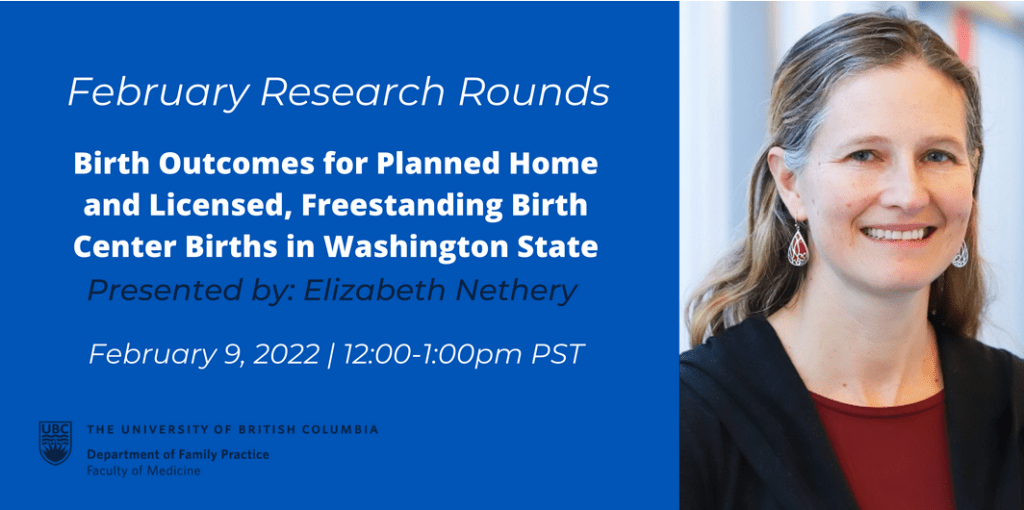
In this presentation on February 9, 2022 at noon PST, Elizabeth Nethery – PhD candidate in the School of Population and Public Health at the University of British Columbia and Registered Midwife in BC – will present research describing rates of maternal and perinatal birth outcomes for community births and to compare outcomes by planned place of birth (home vs state-licensed, freestanding birth center) in a Washington State birth cohort.

Washington state is among the most integrated states in the US for midwifery and rates of community birth are among the highest in the country. Planned, midwife-attended community birth in Washington State, either at home or a freestanding birth center, uses similar guidelines for transfer of care as in international settings such as British Columbia.

The retrospective cohort study involved 10,609 planned community births from Jan 2015 to June 2020 and reported outcome rates for all delivery and perinatal outcomes. Relative risks was estimated comparing planned home births to planned births at state-licensed birth centers, adjusting for parity and other confounders.

Elizabeth’s dissertation research is on pregnancy weight changes, gestational diabetes and prenatal screening, supervised by Dr. Patricia Janssen. Her current research interests include midwifery care, birth settings, contraception and health services delivery.

For more information and updates for the event, check out the Department of Family Practice Website.