Partnering with Patients

Shout out to our local Family Physician Dr. Lawrence Yang (@GatewayMedic) for launching his first #FTSintheFonda with guest Jana Buhlmann (@baldgrrl)! Jana is a Patient and Caregiver Advocate in BC. 

So many pearls packed in this car ride but I especially appreciate the dialogue on patients conducting their own research and how greater access to information has changed the dynamic between physicians and patients. Can we build a trusted source of online resources that empowers physicians, patients, and their caregivers? 

Thank you Lawrence and Jana for sharing your courageous conversation with the world.

#FamilyPhysicians #PartneringWithPatients #LawrenceYang  #JanaBuhlmann #FTSintheFonda #Healthcare #AcceleratingCompassion #MedEdTwitter

Friday Link Pack

Kwéleches, hello and welcome!

It’s Friday! Hope you are well! Had to share the image above. Kathrin Swoboda took home the Audubon Photography Awards grand prize for capturing the red-wing blackbird’s song. Read the article here. (A big thank you to David Isaac for sharing this!)

Looking for support, advice, and coaching on your clinical teaching? Check out our Peer Observation Project and sign up to participate!

Children are headed back to school soon! Vaccination schedule via Healthlink BC.

“Are People Doing The Best They Can?” a conversation between Russell Brand & Brené Brown.

CAME Foundation Health Professions Education Grants application is now open! These grants support new and innovative scholarly projects in Health Professions Education that are not part of larger, formalized and funded education research programs. Apply here!

How to Design a Meeting that Doesn’t Suck via IDEO.

FMF registration is now open! If you’re presenting, let me know!

Cooking With Your Doctor: The New Culinary Medicine via NPR.

2019 CHES Celebration of Scholarship registration is open and free! Register here.

In reviewing the Annals of Family Medicine, these two articles caught my attention:

  • Family Physician Perceptions of Their Role in Managing the Opioid Crisis: Learn more.
  • Association Between Primary Care Practitioner Empathy and Risk of Cardiovascular Events and All-Cause Mortality Among Patients With Type 2 Diabetes: A Population-Based Prospective Cohort Study: Learn more.

Want more family doctors? Change how they work and get paid, says B.C. researcher via CBC.

Nurses and Nurse Practitioners of British Columbia (NNPBC) and the Harm Reduction Nurses Association (HRNA) call for the decriminalization of people who use drugs in B.C. via NNPBC.

CrossFit: dangerous fad or fitness panacea? The AMSSM talks safety via BMJ.

Association of ideal cardiovascular health at age 50 with incidence of dementia via BMJ.

Demystifying Heart Failure: Clearing up misconceptions via Stanford Medicine.

“As you enter positions of trust and power, dream a little before you think.” ~ Toni Morrison, Nobel laureate and Pulitzer Prize-winning author

Have a fantastic weekend!

Warm regards,

Jacqueline

Genomic Medicine

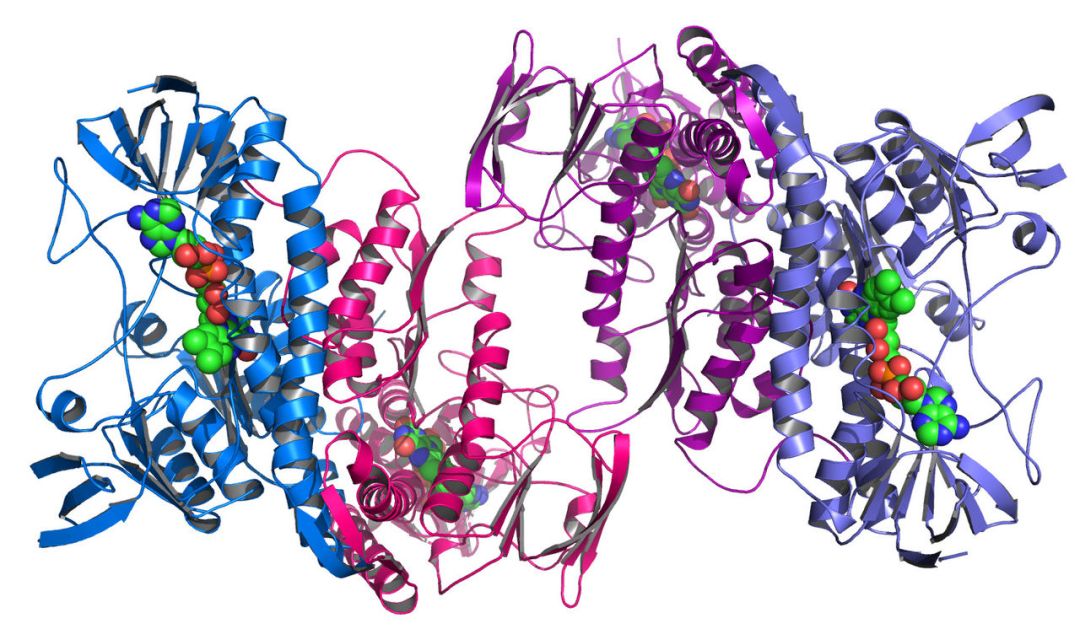
1280px-Argonne's_Midwest_Center_for_Structural_Genomics_deposits_1,000th_protein_structure.jpg
An example of a protein structure determined by the Midwest Center for Structural Genomics via Matt Howard – Argonne’s Midwest Center for Structural Genomics deposits 1,000th protein structure

“Just published: A new 5-paper Series, with contributions from The National Institutes of Health focuses on the exciting and maturing area of genomic medicine, encompassing the use of individuals’ genetic information to guide clinical treatment.”

Family medicine residences may want to check out the article on Family health history: underused for actionable risk assessment by Ginsburg, Wu, and Orlando via The Lancet.

Learn more here: The Lancet: Genomic Medicine

Predicting Disease

“On Wednesday, Alphabet’s artificial intelligence lab DeepMind showed progress toward that kind of disease prediction, starting with a condition called acute kidney injury. Using software developed with the Department of Veterans Affairs, researchers were able to predict the condition in patients up to 48 hours before it occurred. The machine learning software was trained using medical records from more than 700,000 VA patients, and could anticipate 90 percent of cases where the damage was severe enough that a patient required dialysis.”

More on Alphabet’s AI Might Be Able to Predict Kidney Disease: In a study involving 700,000 VA patients, an algorithm from DeepMind predicted 90% of cases of acute kidney injury up to 48 hours before it occurred by Simonite & Barber via Wired.

Resident Talent Night

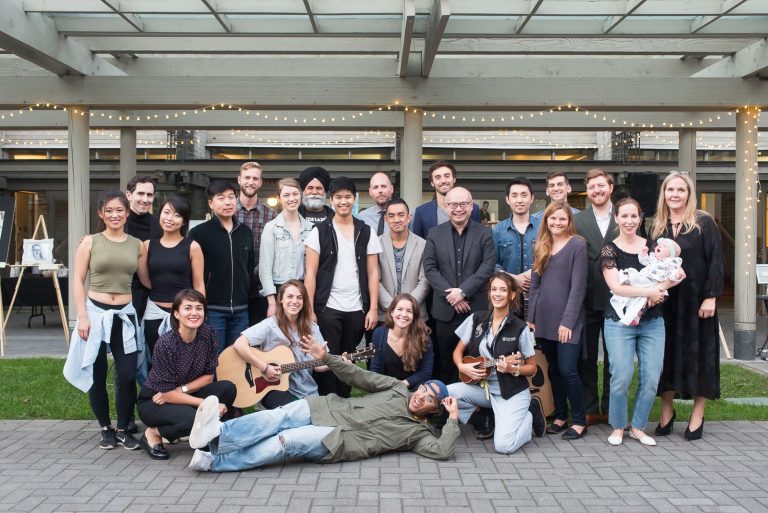
12th Annual Resident Talent Night: September 26th, 2019

The 12th Annual Resident Talent Night will take place on September 26th at the Medical Student and Alumni Centre.

Resident Talent Night celebrates the resident community’s many talents beyond medicine. The event started off as an informal gathering among internal medicine residents in 2007 and it has grown year-after-year to now boast a diverse set of performers from across many residency programs, including musicians, spoken work poets, singer-songwriters, dancers, martial artists, magicians, acrobats, comedians, and more. In addition to the wide range of performances, Resident Talent Night also features a physical and digital art exhibit, showcasing photography, painting and drawing submissions from residents across the province.

RSVP here or sign up to perform!

Canada: STI on the Rise

“Last month, Alberta declared a provincewide outbreak of syphilis, with rates of the STI reaching a level not seen since 1948.

The federal government also recently announced more than $32 million in funding for research into STIs and blood-borne infections, writing that ‘rates of sexually transmitted infections in Canada have increased over the last decade — chlamydia increased by 49%, gonorrhea by 81%, and syphilis by an alarming 178%.’

These increasing rates of STIs across Canada are part of a global trend, says Dr. Rita Shahin, associate medical officer of health with Toronto Public Health.”

More on ‘Alarming’ increase in sexually transmitted infections found across Canada via CBC News.

Chemotherapy Effectiveness

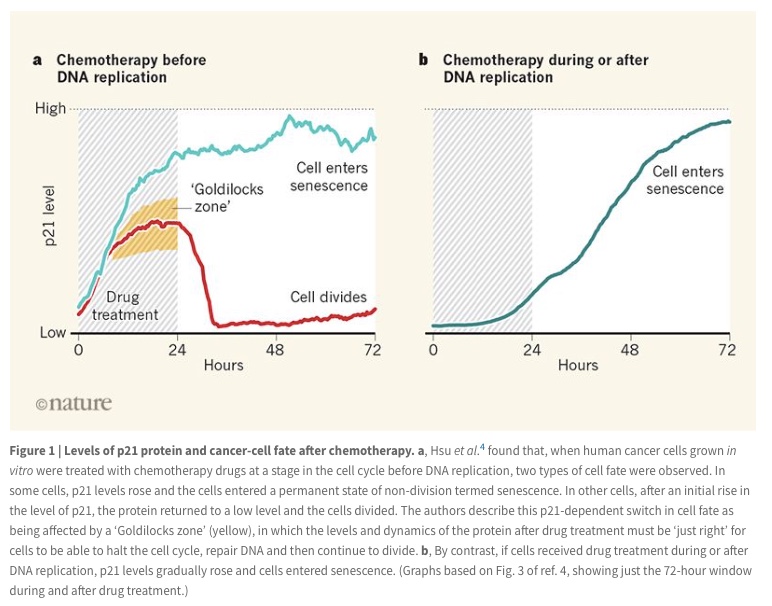
chemo.jpeg“Chemotherapy usually works by inducing DNA damage that leads to cell death. However, rather than dying after chemotherapy, some tumour cells enter an inactive state, termed senescence, in which they are alive but have permanently stopped dividing1. Although senescence in normal cells drives ageing and tissue degeneration2, cancer-therapy-induced senescence is associated with positive clinical outcomes3. Understanding the factors that drive the senescence of tumour cells might thus aid the development of new anticancer treatments. Writing in Cell, Hsu et al.4 shed light on a previously unknown aspect of how chemotherapy-induced entry into senescence is controlled.”
More on A dynamic view of chemotherapy effectiveness (2019) by Liu & Hemann via Nature.

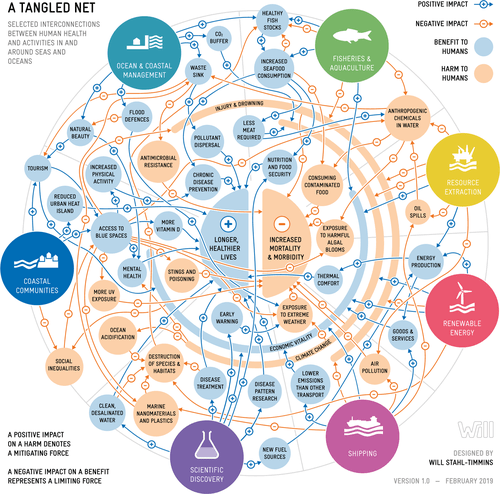
A Tangled Net

pan310038-fig-0001-m.png
A tangled net – selected interconnections between human health and activities in and around the seas and oceans (designed by Will Stahl‐Timmins)

“We cannot continue to discharge vast amounts of waste materials into our seas and expect human health and wellbeing to be unaffected. As yet we lack a clear, global vision of how to reconcile the health of both oceans and people, and how to support decision makers in achieving sustainable marine ecosystems that promote public health. Global governance will be required to deliver these aspirations. This might, for example, involve establishing a panel similar to the Intergovernmental Panel for Climate Change to gather evidence and promote collaborative action.”

More on Time and tide: Our future health and wellbeing depend on the oceans (2019) by Depledge, White, Maycock, & Fleming via BMJ. 

Fostering human health through ocean sustainability in the 21st century (2019) by Fleming, Maycock, White, & Depledge via People And Nature.

Solidarity

“It’s possible to imagine a new organization of doctors that has nothing to do with the business of medicine and everything to do with promoting the health of patients and adroitly confronting the transformational challenges that lie ahead for the medical profession. Such an organization wouldn’t be a trade guild protecting the interests of doctors. It would be a doctors’ organization devoted to patients. Its top priority might be restoring the human factor—the essence of medicine—which has slipped away, taking with it the patient-doctor relationship. It might oppose anti-vaxxers; challenge drug pricing and direct-to-consumer advertisements; denounce predatory, unregulated stem-cell clinics; promote awareness of the health hazards of climate change; and call out the false health claims for products advocated by celebrities such as Gwyneth Paltrow and Mehmet Oz. This partial list provides a sense of how many momentous matters have been left unaddressed by the medical profession as a whole. Tackling any one of them would be hard; perhaps patient-advocacy groups could join in common cause.”

Why Doctors Should Organize: Meeting the challenges of modern medicine will require more than seeing patients (2019) by Eric Topol via The New Yorker.