This Changed My Practice (UBC CPD): Serious Illness Conversations

Serious Illness Conversations and Capturing Advance Care Planning
By Drs. Charlie Chen and Hayden Rubensohn

What I Did Before ­
Most internal medicine practitioners, leaners and attendings alike, include “code status” as an issue on an in-patient’s problem list. Often “not addressed overnight” or “needs to be discussed” is left as the plan. Generally, clinicians appreciate the importance of this task. Most, however, confuse this medical treatment decision – what is the patient willing to consent to as treatment if his/her condition were to seriously deteriorate? – as advance care planning or goals of care. Even more problematic is the need to answer these treatment consent questions in an Emergency Room when the patient is acutely ill.

Yet, even once the patient is more stabilized on a Medical Ward, conversations about goals of care are often still reduced to binary yes or no questions about cardiopulmonary resuscitation and/or Intensive Care Unit admission. All too often, once the CPR status is determined, a more robust, patient-centered goals of care conversation ceases to continue. Most physicians and trainees feel inadequately prepared to conduct difficult and comprehensive goals of care or end-of-life discussions (1, 2). Despite the disconcerting data indicating that many cancer patients have their first end-of-life care conversation during an acute hospitalization (3) or that many dialysis patients never have these discussions at all (4), a change in practice has been slow and difficult.

This cascade of unfortunate events and missed opportunities results in a worrisome mismatch in treatment and care plans between what is documented by clinicians and what the seriously ill patient has already thought about (5). We need to become less accepting of discharge summaries that read: “Code Status: the patient was full code in hospital. This should continue be explored as an outpatient.” These conversations have been incentivized for the physician through Advanced Care Planning billing codes, as outlined by This Changed My Practice contributor Dr. Catherine Clelland (6, http://thischangedmypractice.com/acp-for-patients-with-multiple-co-morbidities/). Furthermore, with data demonstrating the benefits of early goals of care conversations (7), these conversations must shift to being commonplace for patients across the continuum of care.

Want to learn how these events and missed opportunities changed their practice? Click here and receive 0.25 Mainpro+ or MOC Section 2* study credits per article.

Events: Innovations, Research, and Writing Field Notes with Finger Paints!

The UBC Family Practice Residency Program has quite a bit going on in May! See below to register for our upcoming events!

Faculty Development Dinner: Innovations in Patient-Centred Medical Education
Wednesday, May 17, 2017 from 5:30 p.m.-7:00 p.m. (Dinner served at 5:30 p.m.)
Location: Abbotsford Division of Family Practice
Facilitator: Jacqueline P. Ashby, Ed.D.
This faculty development dinner focuses on the ideas, discussions, and material disseminated from the Stanford Medicine X/Ed conference. We’ll engage in topics such as the gaps in medical education, instructional technologies, engagement learning design, and patient-centred outcomes research (PCOR). Residents are invited!
Register here: http://doodle.com/poll/78kw6h2dmagyix37

Resident Research Day
Thursday, May 25, 2017 from 8:30 a.m.-12:30 p.m.
Location: Abbotsford Division of Family Practice
The UBC Abbotsford-Mission Family Practice Resident Research Day is a new initiative designed to disseminate and share our Residents’ research with the broader community. It also provides an opportunity for Faculty, Preceptors, Specialists, and Fraser Health members to network, collaborate, and build upon the ideas and insights emerging from our Residents’ work.
Lunch and beverages provided.
Register here: http://doodle.com/poll/4aiqsctuqaae6682
Contact: Dr. Adriaan Windt

Faculty Development Breakfast: Writing Field Notes
Friday, May 26 from 7:30-9:00 a.m.
Location: Abbotsford Division of Family Practice
Facilitator: Jacqueline P. Ashby, Ed.D.
Learn more & register here: http://doodle.com/poll/9b5fbhpycnc4c4mu
In this session, participants clarify the purpose and use of field notes, critique and rank field note samples in terms of effectiveness, and practice writing field notes to provided clinical video scenarios.

Cheers!

Study Tips

Hi! For those of you preparing for the CFPC exam, check out the 6 evidence-informed study strategies from The Learning Scientists:

1. Spaced Practice: Space out your studying over time.

2. Retrieval Practice: Practice bringing information to mind.

3. Elaboration: Explain and describe ideas with many details.

4. Interleaving: Switch between ideas while you study.

5. Concrete Examples: Use specific examples to understand abstract ideas.

6. Dual Coding: Combine words and visuals.

To download these strategies and learn more, click here!

Also, visit our Resources & Recommended Reading for additional links!

(reference via Bill Upward, UBC Teaching and Learning Strategist! Thanks Bill!)

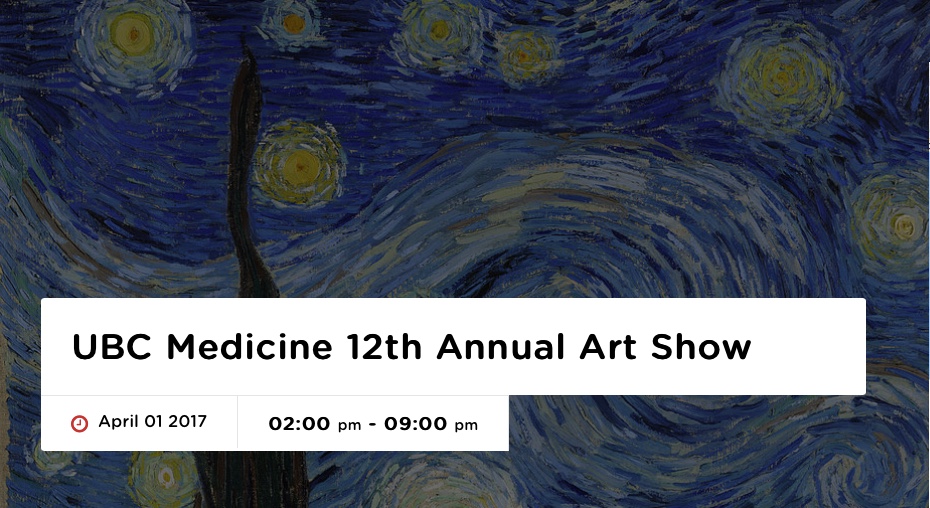
UBC Medicine 12th Annual Art Show

The UBC Medicine 12th Annual Art Show is accepting art submissions from students, residents, alumni and faculty members. The Art Show is an annual exhibition of visual arts from UBC Medicine and is held at the Medical Student and Alumni Centre (MSAC).

All forms of visual art are welcome! We accept paintings, sculptures, photography, textiles, sketches, digital media, etc. Works must be framed and ready for hanging. Apply here!

Game of Throws: Register Teams!

game

Prepare your teams! The game is coming!
Don’t miss the chance to win the GOLDEN BEDPAN trophy to display in your unit / office. It’s going to be great.

Fraser Valley Health Care Foundation presents it’s first Fraser Health employee dodge ball tournament taking place Saturday April 29, 2017. Support your hospital foundation while having fun and have a great day team building.
Get your team together now and start practicing! Challenge your boss and coworkers. Space is limited.

$150 for a team of 8
$25 for individual registration

Prizes for:
Winning team receives a trophy and bragging rights for the year.
Early bird registration – Register before February 14th and be entered into a draw for a prize
Best Team Spirit (includes costume)
Highest fundraising team

Register by March 2, 2017 and be entered to win a Sevenoaks package that includes $100 gift card and other great items for the team!
Register now!

Resident Wellness: In the IC Lab with Drs. Enns & JQ

Here at the Abbotsford-Mission Family Practice Residency Program, we take the Resident Wellness Ice Cream Rounds to another level. Move over store bought brands, our Residents design the flavours! This session we’re in the Ice Cream (IC) Lab making:

Biliary Sludge-Fudge©
Dr. Alex Enns (Designer)
Dr. Jacqueline Ashby (Confectioner)

Ingredients:
Vanilla Ice Cream Base
1 cup whole milk
2 cups table cream
¾ cup granulated sugar
Pinch of salt
1 tbsp pure vanilla extract
1/2 tbsp of peppermint extract
Green food colouring

Additional ingredients:
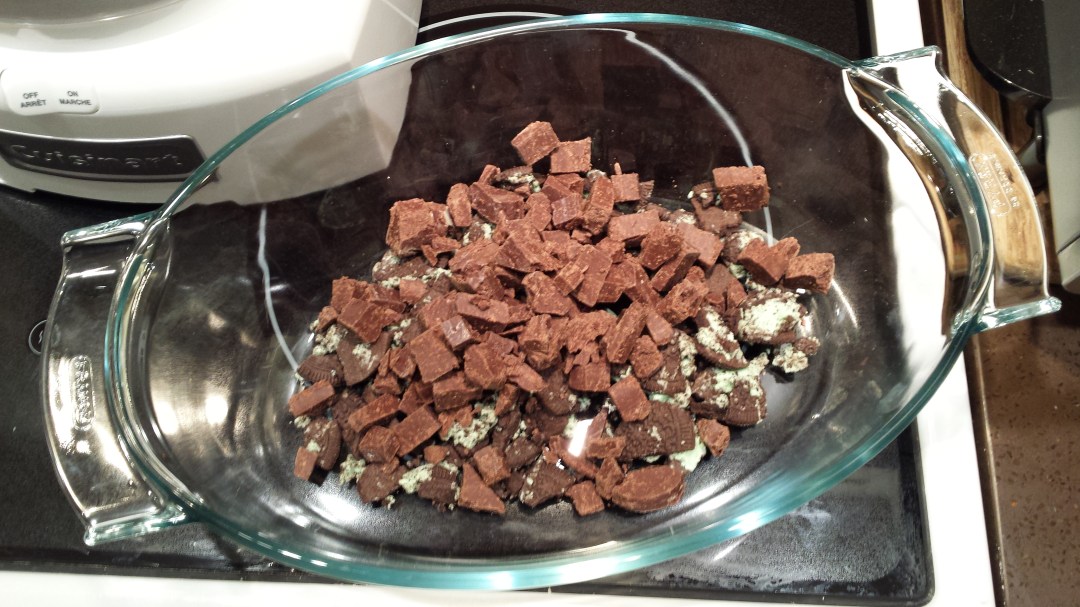
2 cups of crushed mint sandwich cookies
2 cups of chopped Jay-Q’s homemade mint truffle fudge (ancient secret recipe)

Instructions:
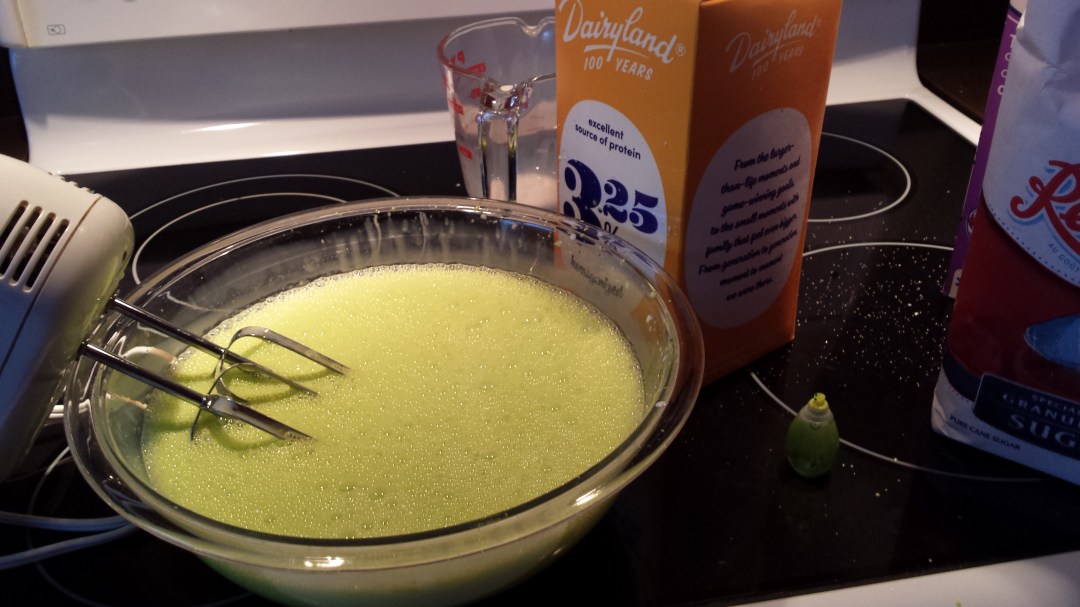
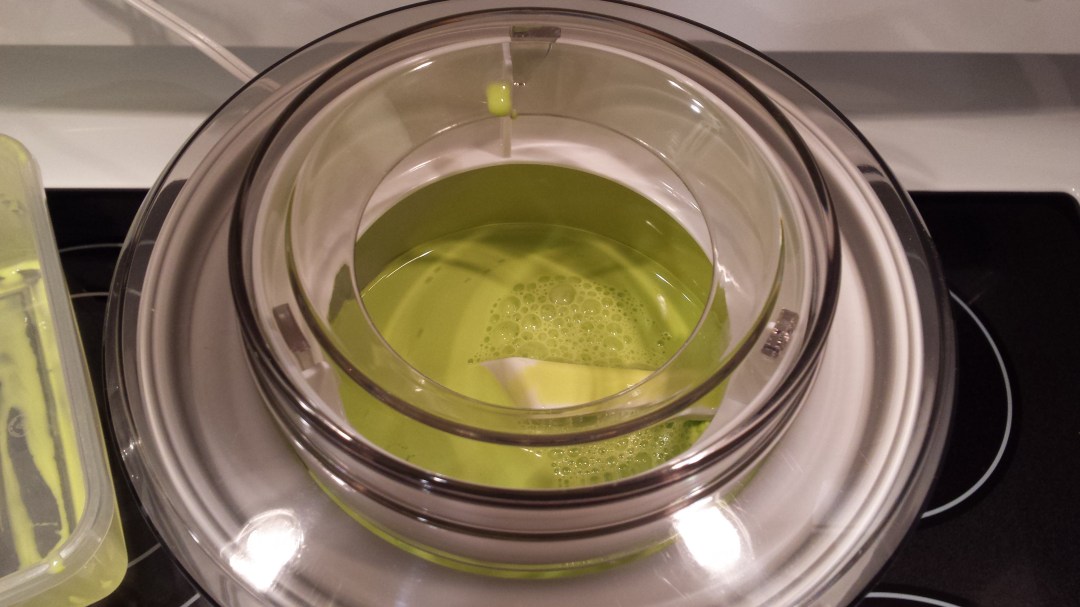
1. Mix all vanilla ice cream base ingredients in a bowl and chill in sealed container overnight.
2. Pour in ice cream maker (takes about 20-25 minutes to stiffen).
3. Once mixture has stiffened pour in a separate freezer-safe container and fold in your fudge and crushed mint sandwich cookies.
4. Place in freezer for an additional 2 hours to firm.
5. Serve!

For all you visual learners, see below!

20170301_171012-copy
20170302_063813-copy
20170302_065548-copy20170302_065822-copy20170302_102058-copy