
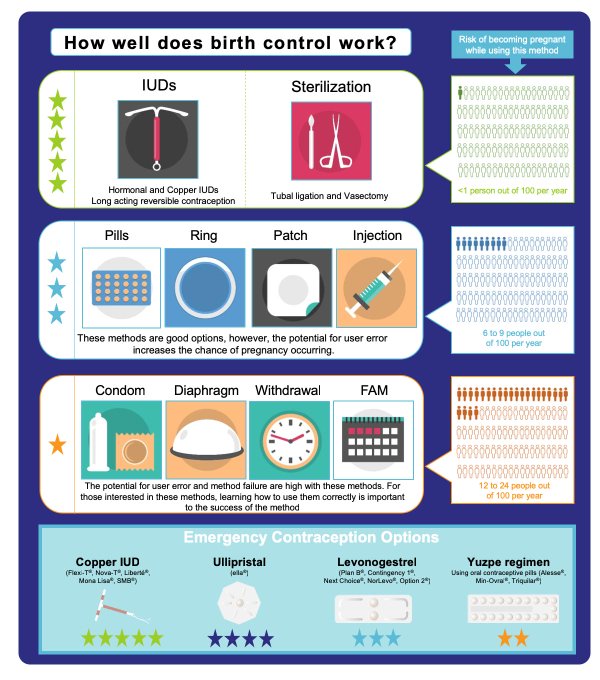
Contraception
#TEDMED #YanivErlich #GenomicData
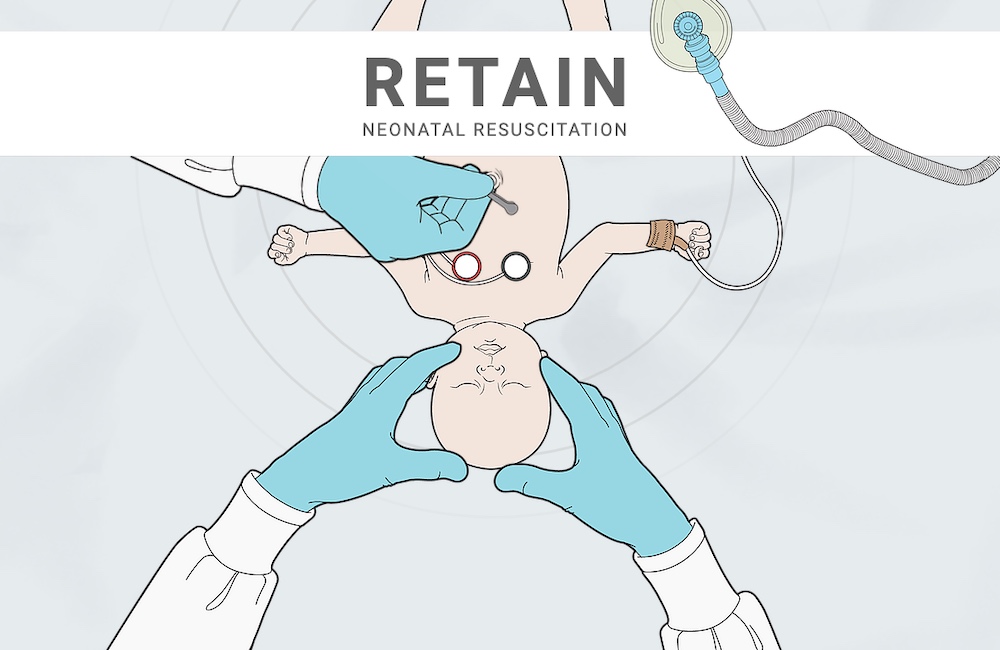 “The Retain Game originated from a vision to provide this training environment with a focus on neonatal resuscitation out of the University of Alberta Hospital & Royal Alexandra Hospital Edmonton. The RETAIN team designed the educational game platform ‘RETAIN’ (Resuscitation TrAINing for Healthcare Professionals) to train healthcare professionals in neonatal resuscitation in a cost-friendly and accessible way. The RETAIN platform (RETAIN Labs Medical Inc., Edmonton, Canada) consists of a board game and a computer game, as tools that complement the physical simulation-based education to improve knowledge retention during neonatal resuscitation in the delivery room.”
More on Canadian Simulation Educators Create RETAIN Board Game to Train Neonatal Resuscitation via Healthy Simulation.
The Research: RETAIN: A Board Game That Improves Neonatal Resuscitation Knowledge Retention (2019) by Cutumisu et al. via Frontiers in Paediatrics.
Play Retain Game.
#Gamification #Simulation #PlayToLearn
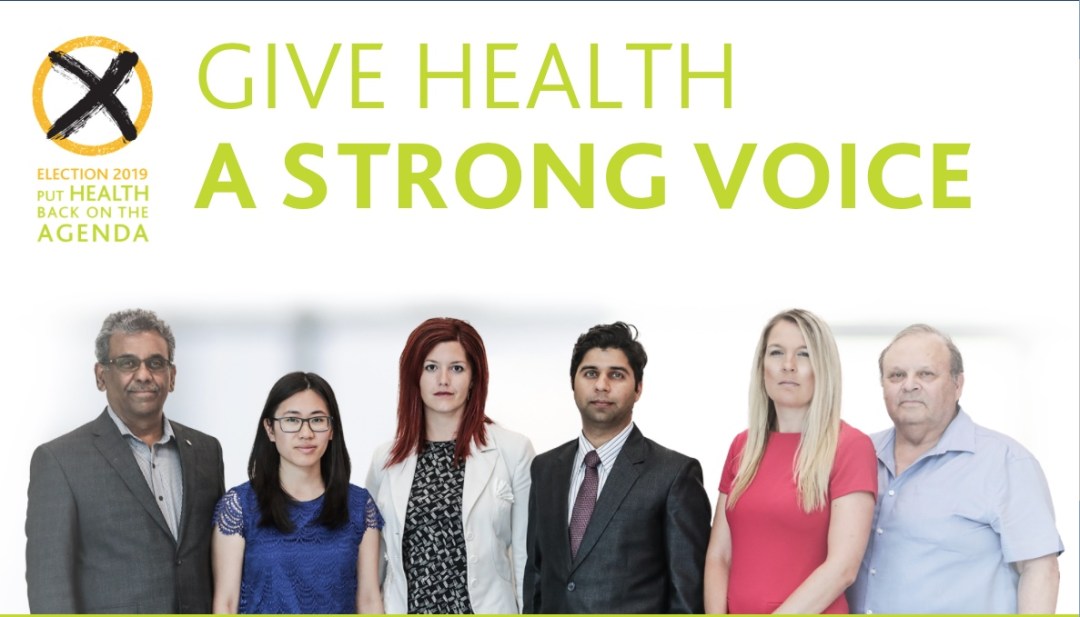
More on putting health back on the political agenda.
“Recent evidence supports involvement of amylin and the amylin receptor in the pathogenesis of Alzheimer’s disease (AD). We have previously shown that amylin receptor antagonist, AC253, improves spatial memory in AD mouse models. Herein, we generated and screened a peptide library and identified two short sequence amylin peptides (12–14 aa) that are proteolytically stable, brain penetrant when administered intraperitoneally, neuroprotective against Aβ toxicity and restore diminished levels of hippocampal long term potentiation in AD mice.”
More on Short amylin receptor antagonist peptides improve memory deficits in Alzheimer’s disease mouse model (2019) by Soudi et al. via Nature Scientific Reports.
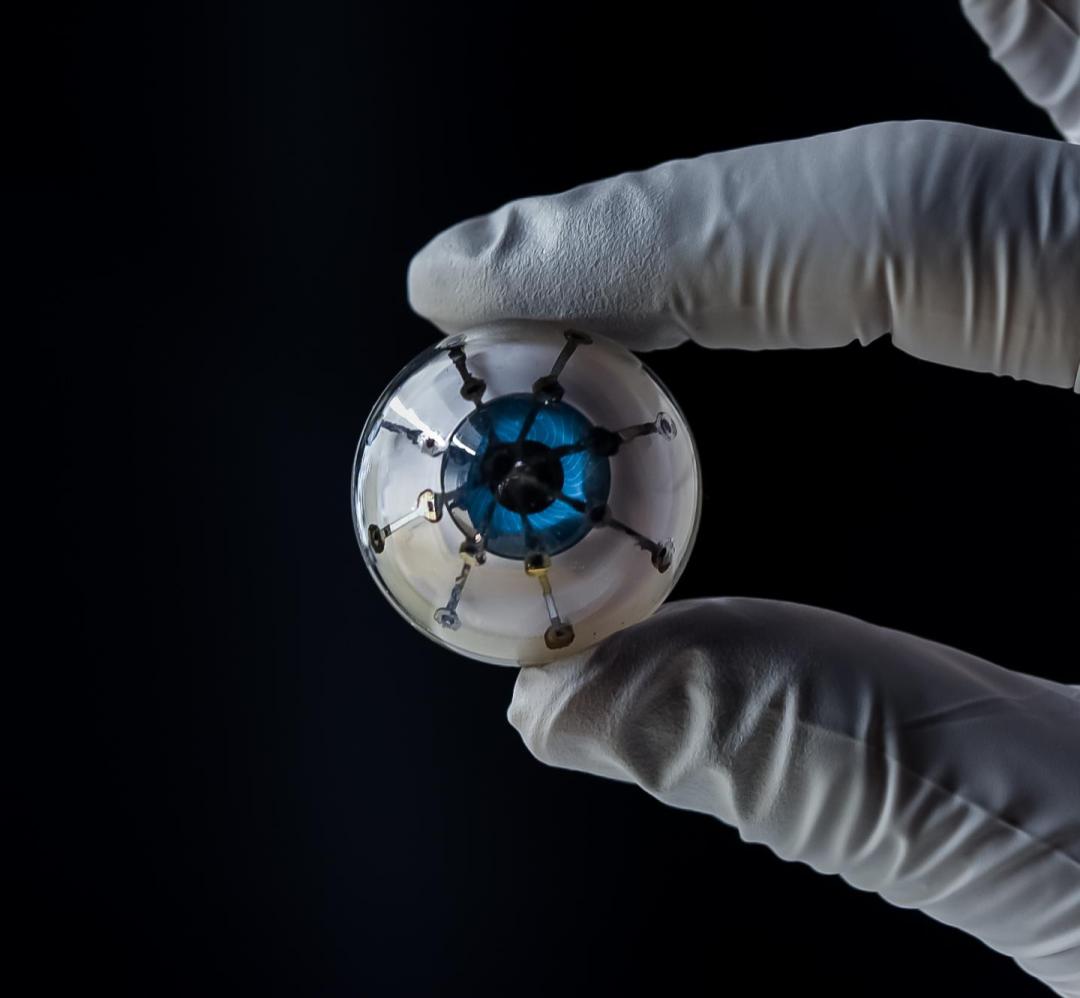
“The innovations I describe here—many of which are still in early stages—are impressive in their own right. But I also appreciate them for enabling the shift away from our traditional compartmentalized health care toward a model of ‘connected health.’ We have the opportunity now to connect the dots—to move beyond institutions delivering episodic and reactive care, primarily after disease has developed, into an era of continuous and proactive care designed to get ahead of disease. Think of it: ever present, analytics-enabled, real-time, individualized attention to our health and well-being. Not just to treat disease, but increasingly, to prevent it.”
12 innovations that will revolutionize the future of medicine: Analytics-enabled, individualized attention will not just treat disease, but increasingly, prevent it by D. Kraft via National Geographic.
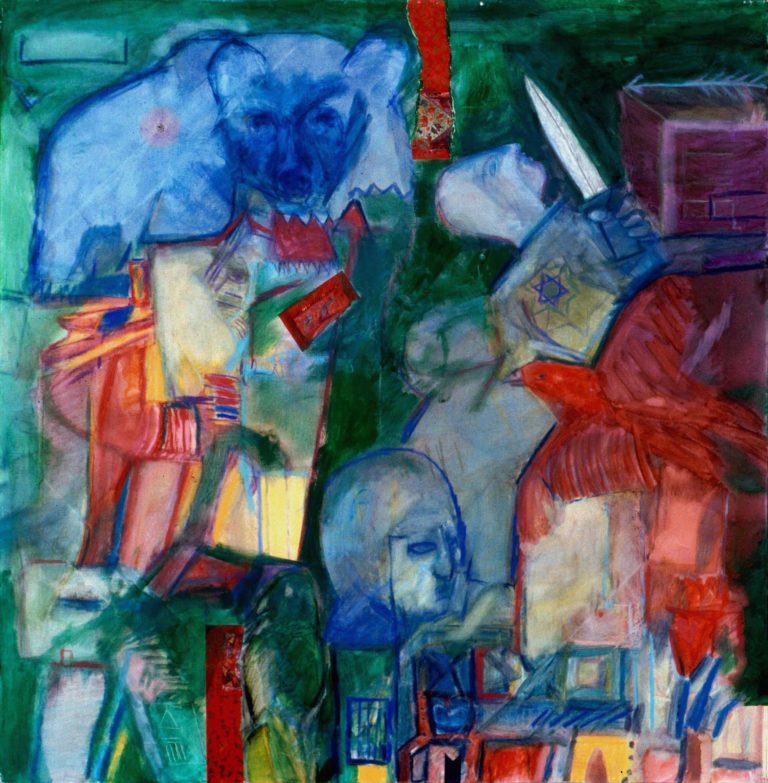
“A growing body of research suggests that early exposure to art interpretation in medical education may in fact increase students’ ability to tolerate ambiguity. The educational approach known as Visual Thinking Strategies (VTS) involves group discussion of art images where learners are encouraged to carefully observe pieces, verbalise their personal interpretations, and interact with their peers’ viewpoints while affirming the co-existence of multiple possible meanings. Research suggests that tolerance for ambiguity is a ‘state’ not a ‘trait.’ This means that our ability to admit uncertainty—whether in art or in medicine—can be taught, and that programmes such as VTS may help us to hone these skills.”
It’s not all black and white––can art help doctors navigate medical uncertainty? by Olson via the BMJ Opinion.
“Doctors online expressed shock and dismay after realizing that patients are using Groupon deals to access medical services, such as chest CT scans and mammograms, at discount rates, according to a report by Kaiser Health News.
…
The deals—which have actually been around for years—cover things like elective medical services, dental work, eye care, and preventative scans, such as mammograms. They’re often used by people who do not have health insurance or have limited coverage. Still, some insured patients turn to them for cost-saving deals, more pricing transparency, and control over their healthcare bills. Without the coupons, the same services provided by some hospitals and providers can have wildly varied pricing, which can be nearly impossible to estimate in advance.
…
Still, there are risks to using the deals, such as getting medically unnecessary scans, which expose patients to radiation needlessly and can lead to unnecessary follow-up tests or procedures.
‘If you’re going to have any type of medical testing done, I would make sure you discuss it with your primary care provider or practitioner,” Dr. Andrew Bierhals cautioned to KHN.'”
More on Doctors aghast at Groupon deals for medical care via arstechnica.
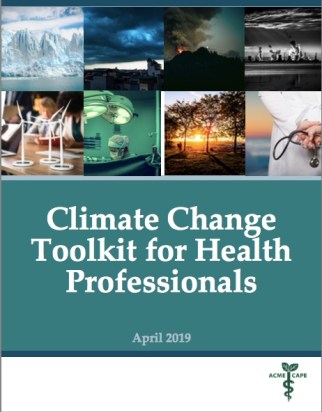 “This toolkit consists of eight modules which have been prepared as stand-alone documents that can be read by themselves, but they have also been prepared to complement one another. It has been designed as a tool for health professionals and students in the health care and public health sectors who want to engage more directly on the issue of climate change as educators with their patients, peers and communities, and/or as advocates for the policies, programs and practices needed to mitigate climate change and/or prepare for climate change in their workplaces and communities.” Download here!
#ClimateChangeToolkit #HealthProfessionals
“British Columbia will no longer ask hospitals to alert child-welfare authorities if they believe newborns could be at risk of harm due to their parents’ backgrounds, a practice that resulted in more than half of such notifications being issued for Indigenous mothers.
The B.C. government on Monday said it would end this practice, known as birth alerts, which were often issued without a parent’s knowledge or consent. The policy change is aimed at cutting the number of newborns who are taken into care, sometimes within hours of birth.
The change is to take effect immediately.”
More on B.C. ends controversial birth alert system that affected Indigenous mothers disproportionately via The Globe and Mail.
 Family Medicine Residency Site: Abbotsford-Mission