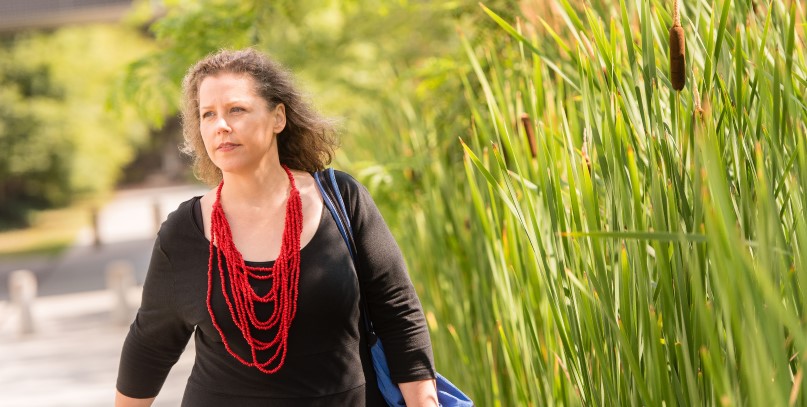
“Virtual meetings can sometimes be more fatiguing than face-to-face meetings as we work harder to process non-verbal cues, tone of voice, and body language, while being cognizant of our own communication and learning new technologies.
In light of an increased need for screen time in our professional and personal lives, the following tips and strategies may help restore some balance – whether you attend or organize meetings…”
Check out these tips on UBC’s Working Well: Virtual Meetings. You could also apply many of the suggestions, such as those on visual ergonomics, in the design of your virtual care practice.
Hope you are well. Attached is the newly released “Teaching During Turbulent Times” document that was created by our UBC Family Practice Residency Program Faculty Development team. You can access additional resources and links here.
Just a gentle reminder to please buddy up and complete your four video reviews this year. As many of you are delivering virtual care from your clinics, this is a great opportunity to hone your telepractice skills and webside manner.
Find attached our updated version of theFAQs on Video Reviews that takes into account some of our current constraints. If you have any questions or concerns regarding conducting observations, please contact me at jacqueline.ashby@ubc.ca.
Warm regards,
Jacqueline
Site Faculty Lead, Assessment & Evaluation
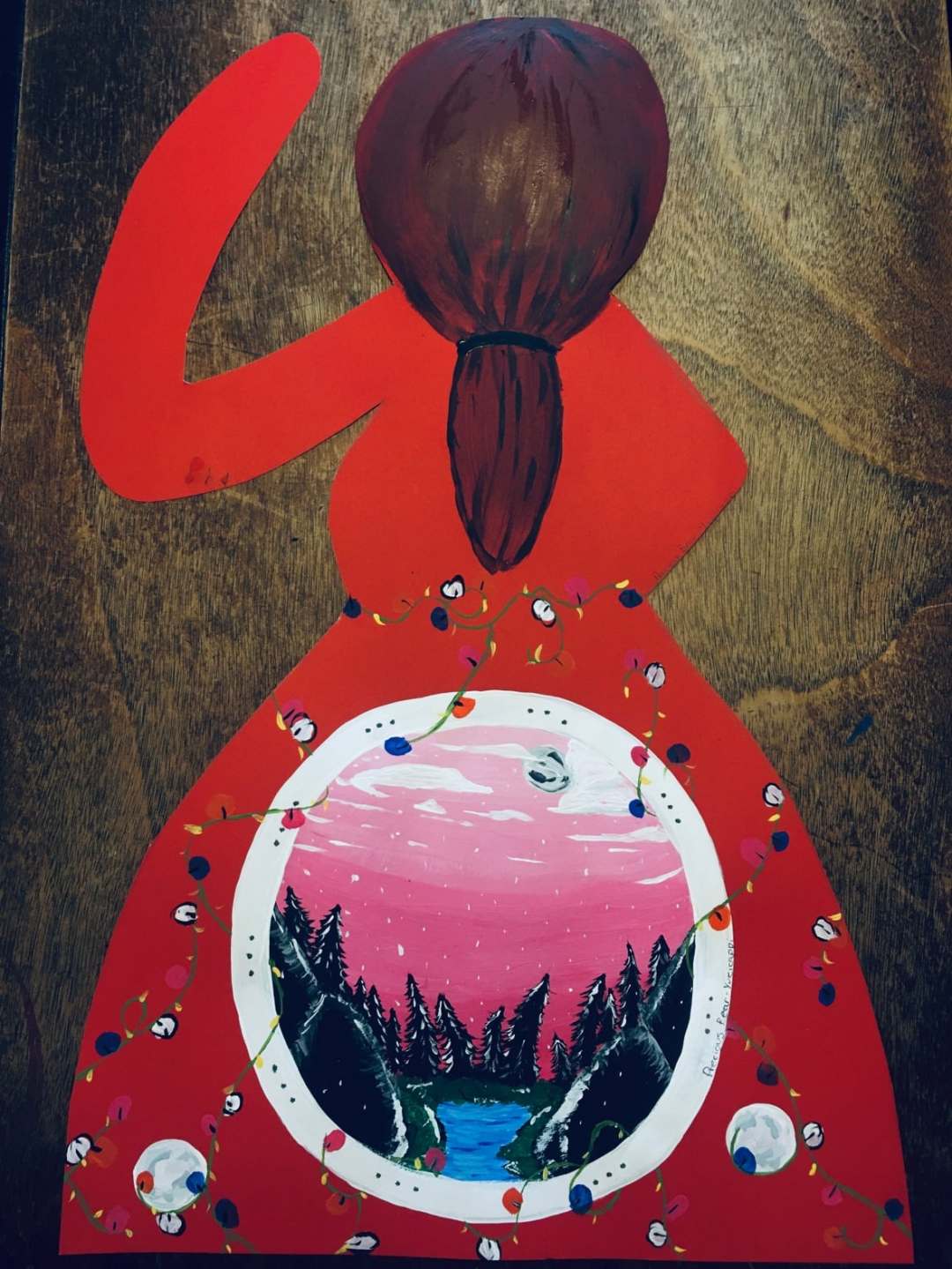
One of the red dress silhouettes prepared by Grade 10 student Precious Bear-Yuzicappi at the Yorkton Regional High School. (Supplied/Katherine Koskie) via CBC.
“International examples of Indigenous-led health partnerships have also incorporated traditional Indigenous knowledge and culture. The Nuka System of Care, for example, respectfully designed in response to the desires of Indigenous Peoples who use and own it, has incorporated traditional Indigenous knowledge and cultural services over the past 30 years in Southcentral Alaska. A 2013 review of the Nuka system partnerships over a 10-year period highlighted improvements in various health indicators, including reduced emergency department use by 42%, reduced hospital days by 36%, reduced staff turnover by 75%, increased childhood vaccinations by 25%, and increased patient and client reports of satisfaction in cultural safety at 94%. Similarly, there is evidence of improved health outcomes where Indigenous-led partnerships were developed in Japan, China, South Korea, India, Vietnam, Nicaragua and Australia. Table 2 highlights several international partnerships and health outcomes that can inform Canadian practice.”
Learn more here on Indigenous-led health care partnerships in Canada via CMAJ.
Image from Red dress window art project brings MMIWG awareness from the classroom to the masses via CBC.
“’We made this video as a gift to the kids who are all stuck at home during this extraordinarily tough and scary time,’ said VSO bassoonist Julia Lockhart, who is joined in the video by Karen Gerbrecht on violin, Michelle Goddard on clarinet, Malcolm Armstrong on bass and percussionist Vern Griffiths who keeps the beat on some pots and pans.”
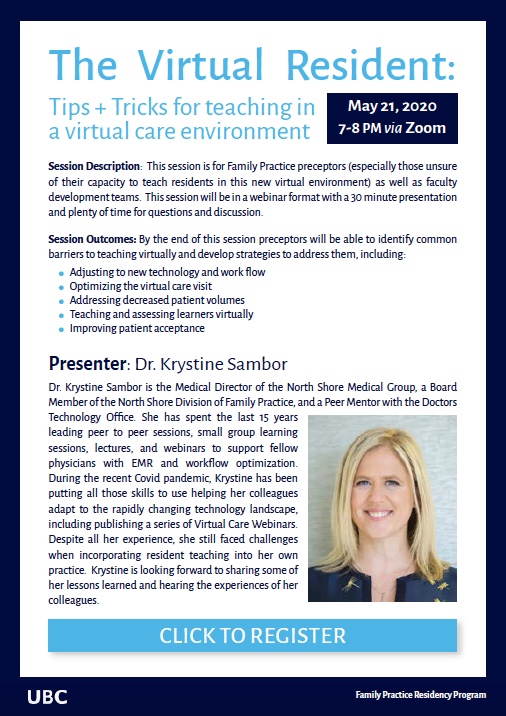
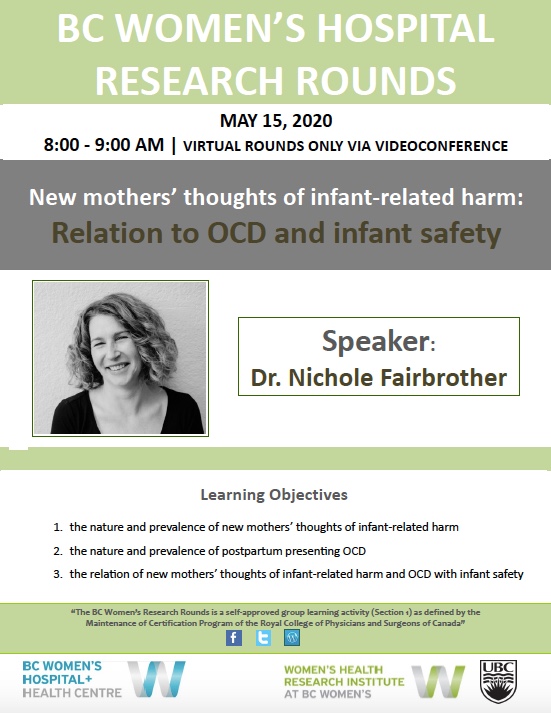
For further information on this session, please visit BC Women’s Hospital Virtual Research Rounds here (connection info should be posted soon) or contact me directly and I’ll forward you the link.
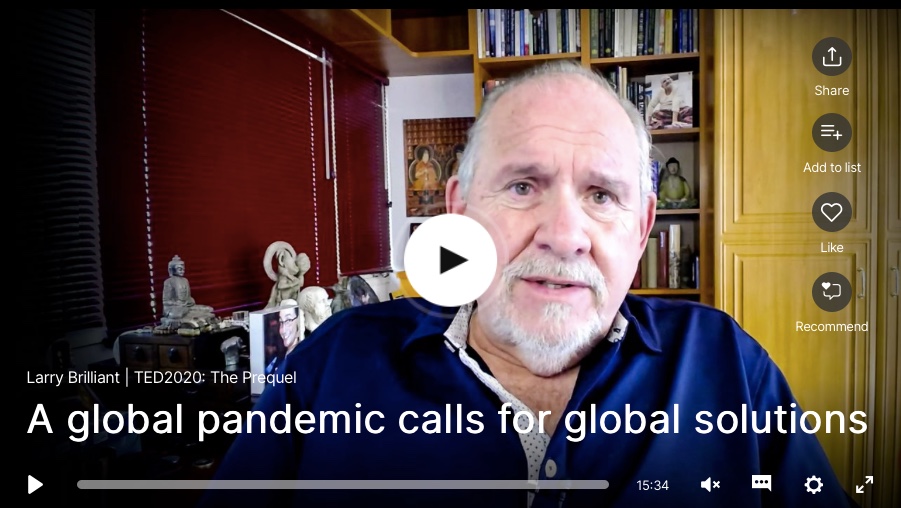
“What I found is that in the Smallpox Eradication Programme people of all colors, all religions, all races, so many countries, came together. And it took working as a global community to conquer a global pandemic. Now, I feel that we have become victims of centrifugal forces. We’re in our nationalistic kind of barricades. We will not be able to conquer a pandemic unless we believe we’re all in it together. This is not some Age of Aquarius, or Kumbaya statement, this is what a pandemic forces us to realize. We are all in it together, we need a global solution to a global problem. Anything less than that is unthinkable.” ~ Dr. Larry Brilliant
Watch his recent TED Talk on A Global Pandemic Calls for Global Solutions here.
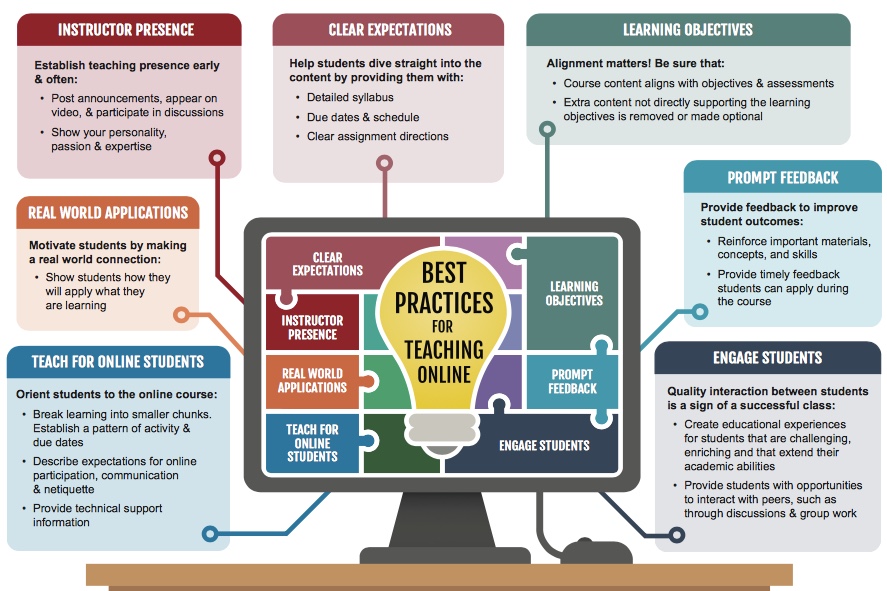
Great visual above highlighting key points for those transitioning their teaching and content to an online format (via Arizona State University). For those teaching in the clinic and adapting to delivering virtual care, check out McGill University’s Telemedicine site for video modules and resources (Thanks Bill for sharing). Our Abbotsford-Mission site also has links to a variety of UBC learning opportunities.
For those preparing Academic Half Day sessions, learn a few strategies to bolster engagement and refine your powerpoint for online presentations.

 “Virtual meetings can sometimes be more fatiguing than face-to-face meetings as we work harder to process non-verbal cues, tone of voice, and body language, while being cognizant of our own communication and learning new technologies.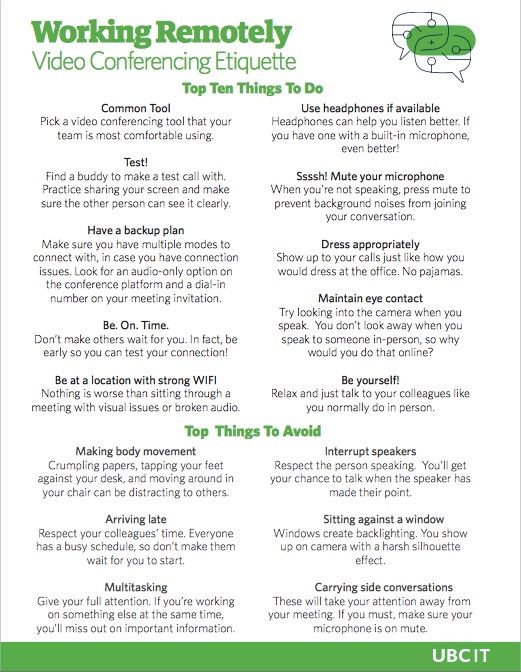

 Family Medicine Residency Site: Abbotsford-Mission