

CHES distributes a collection of medical education article abstracts to members. “We thank Dr. Gisèle Bourgeois-Law who has created these summaries for the education community at the Island Medical Program. While these articles have a medical education focus, we are using this opportunity to explore the value of such an initiative to our larger CHES community. Article themes include topics such as: feedback and mindfulness, those by local/BC educators, those relevant to a distributed medical program, and those with new ideas. Our aim is to include a variety of quantitative and qualitative research articles, review articles, and concept articles, some of which contain an interesting editorial or commentary. This summary is not meant to be comprehensive, nor to include everything of potential interest.”
These 3 caught my eye:
1. Pause, persist, pivot: Key decisions health professions education researchers must make about conducting studies during extreme events
2. Training disrupted: Practical tips for supporting competency-based medical education during the COVID-19 pandemic
3. Exploring current physicians’ failure to communicate clinical feedback back to transferring physicians after transitions of patient care responsibility: A mixed methods study
Please click here for the June 2020 edition.
If you would like to nominate an article for future inclusion or have any questions, please email ches.communications@ubc.ca.

 “The BMJ‘s special issue on racism in medicine reflects the working lives of doctors from ethnic minority backgrounds and the healthcare experiences of ethnic minority patients. This edition focuses on race and its impact on health. It is a timely reflection, as we in the UK try to make sense of the societal upheavals which have convulsed the country in recent times, and in which race, racism, and power have come under close scrutiny.”
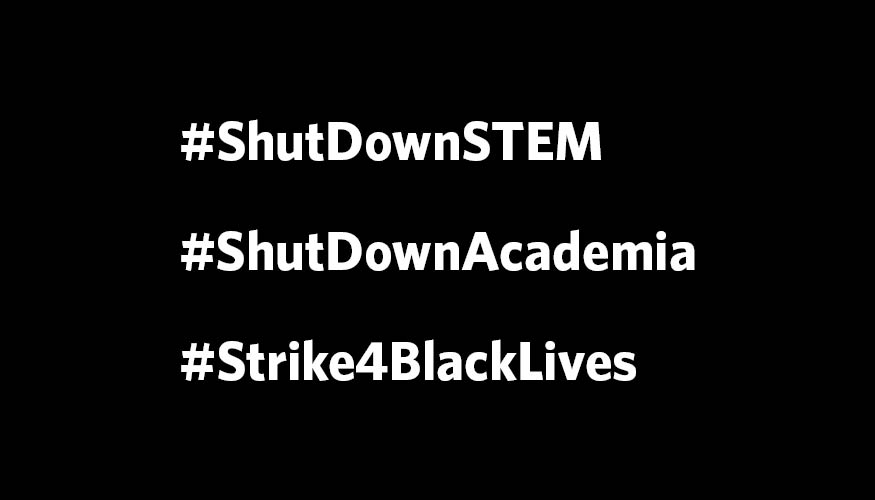 We stand in support of our #UBC faculties, programs, and departments that are observing
 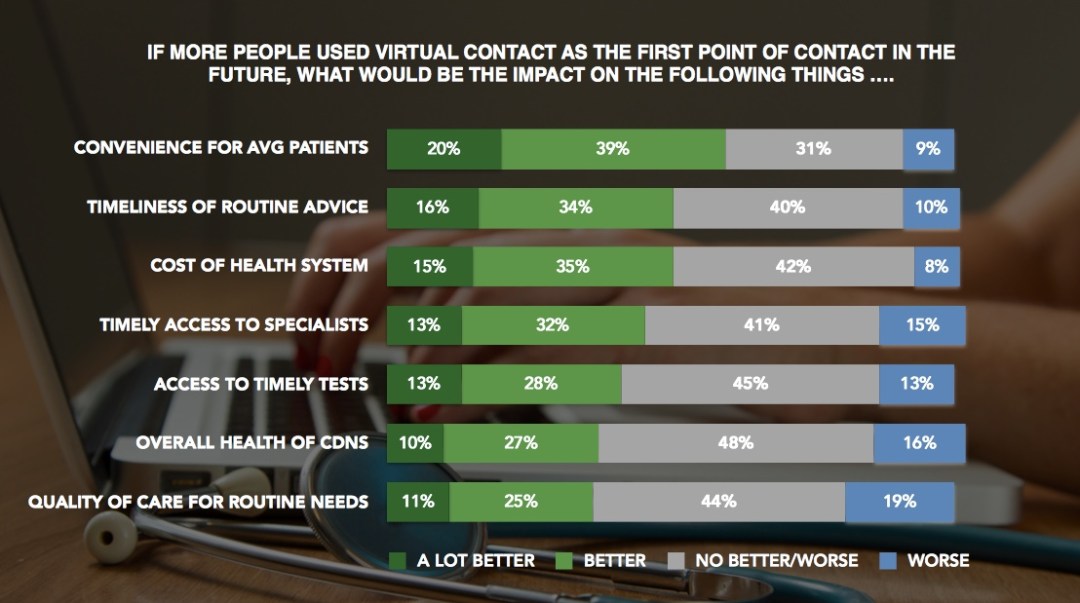 “The national poll conducted by Abacus Data between the 14th and 17th of
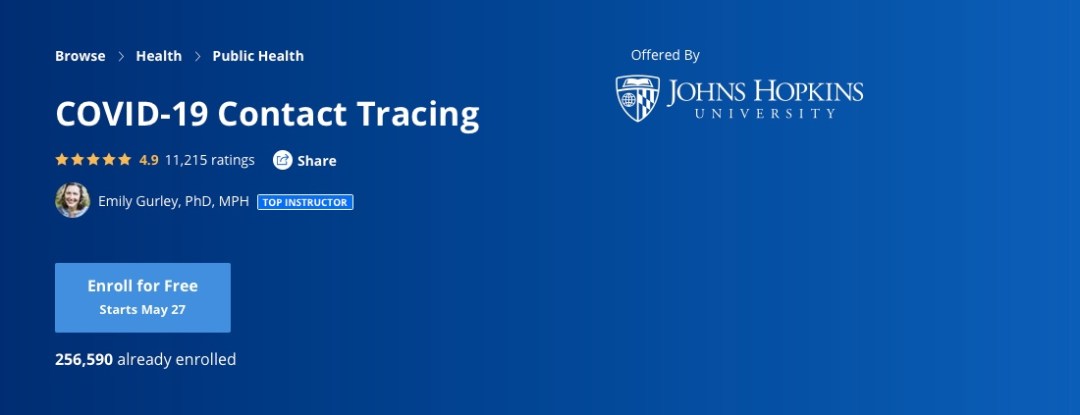 Starts today! “The COVID-19 crisis has created an unprecedented need for contact tracing across the country, requiring thousands of people to learn key skills quickly. The job qualifications for contact tracing positions differ throughout the country and the world, with some new positions open to individuals with a high school diploma or equivalent.”
 Family Medicine Residency Site: Abbotsford-Mission