

STLHE provides a fantastic series of resources as we transition to online teaching. Visit the Teaching & Assessing (Online) to view their list.
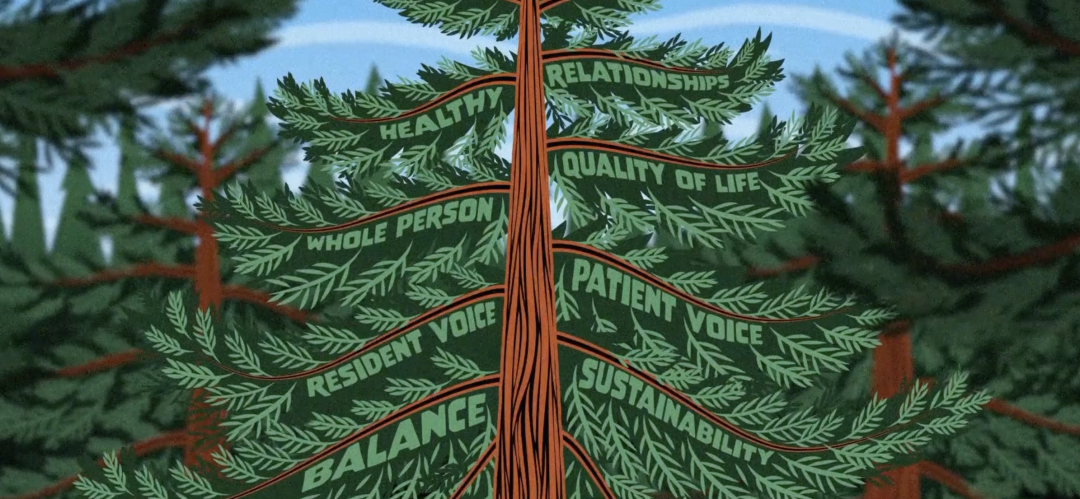
Welcome to the Team
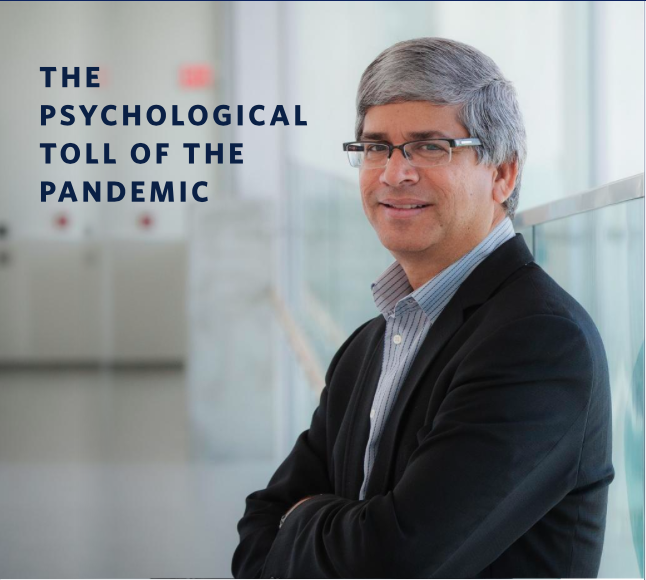
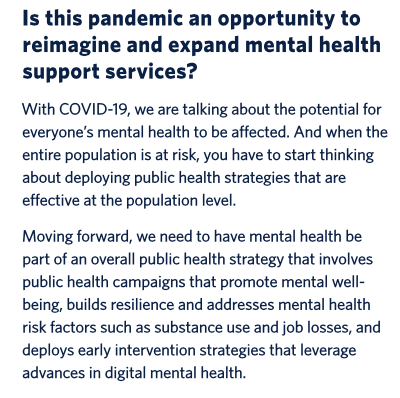
Fantastic article on the psychological toll of the pandemic featuring Dr. Lakshmi Yatham, professor and head of the department of psychiatry at UBC and regional head of psychiatry for Vancouver Coastal Health and Providence Health Care. In this article, he explores the psychological toll of COVID-19 and offers his advice on combatting stress and anxiety as society adapts to the new normal. Read more here.
“Children across BC with extraordinary health needs, requiring complex care, will soon have access to a children’s complex care transition centre in Vancouver. Operated by the BC Children’s Hospital, the facility will fill gaps in services and supports for children and young people with complex care needs and will complement what is currently provided in acute care and community settings. This will be the first centre in the country to provide such a comprehensive range of supports for children with medical complexity at a single site. The centre will serve as a stepping stone between acute hospital care, community care, and home, providing services under a new, unique model of care designed to support patients and families in the transition.”
Learn more here on Comprehensive Supports for Children with Medical Complexity via BCMJ.
Register via Learning Hub (Log-in or create an account in seconds. Once logged-in, enter Skin Cancer in the Search bar.)
Cost: $50 all disciplines. Event Details
2.75 Mainpro+ credits.
Questions: dilraj.mahil@bccancer.bc.ca
Dermatology Component
13:00 – 13:05 Start and Dermatologist Introduction
13:05 – 14:35 Common Skin Cancers
14:35 – 14:45 Break
Surgical Oncology Focus
14:45 – 14:50 Surgical Oncologist Introduction
14:50 – 15:50 Melanoma
15:50 – 16:00 Close and Evaluation
Dermatology focus:
Melanoma focus:
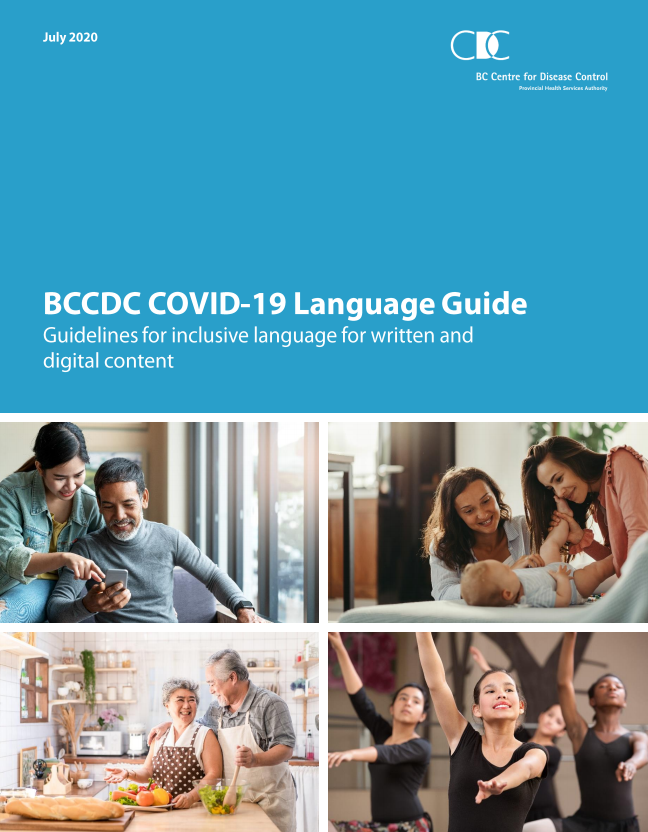
“‘We all have heard of the golden rule — treat others as you wish to be treated — and this document is a practical how-to-guide of the platinum rule: treat others as they want to be treated,’ said Harlan Pruden, educator with the Chee Mamuk program at the BC Centre for Disease Control and lead author of the guide. ‘Our guide offers a way to create safer environments for employees and all community members with a focus on using person-first language, meaning the focus is on the individual rather than their diagnosis or behaviour.’”
Learn more here.
Thank you Dr. Holmes for the forward.

There are several tuition-free online courses that UBC offers! Please view the list here.

Increasingly patients and parents of patients are included in medical decision-making and medical research. This is apparent the popular press, in funding agency guidelines such as the recent CIHR SPOR initiatives, and in collaborative doctor-patient treatment strategies. Patients are even receiving courses and certification in “patient engagement”. The need to inform patients and research participants is fundamental in clinical care and research. A fundamental question at the root of these endeavors is, how is information exchanged by medical professionals and patients? This presentation examines basic communication models encountered in clinician-patient interaction.
Register here.

Have you signed up for our Earl W Davie Symposium yet? On Tues Nov 17, hear from local & international experts in #thrombosis & #bleeding research, listen to insightful patient & trainee talks, & much more. #CBR_EWD2020
Register here.
The UBC Pediatric Atopic Dermatitis CPD online module is for all health care providers that care for children and wish to learn more about how to better recognize, treat, and manage atopic dermatitis in a primary care setting.
Designed in partnership by UBC CPD, Child Health BC, and BC Children’s Hospital.
This course is divided into four lessons:
Access the e-learning course here.
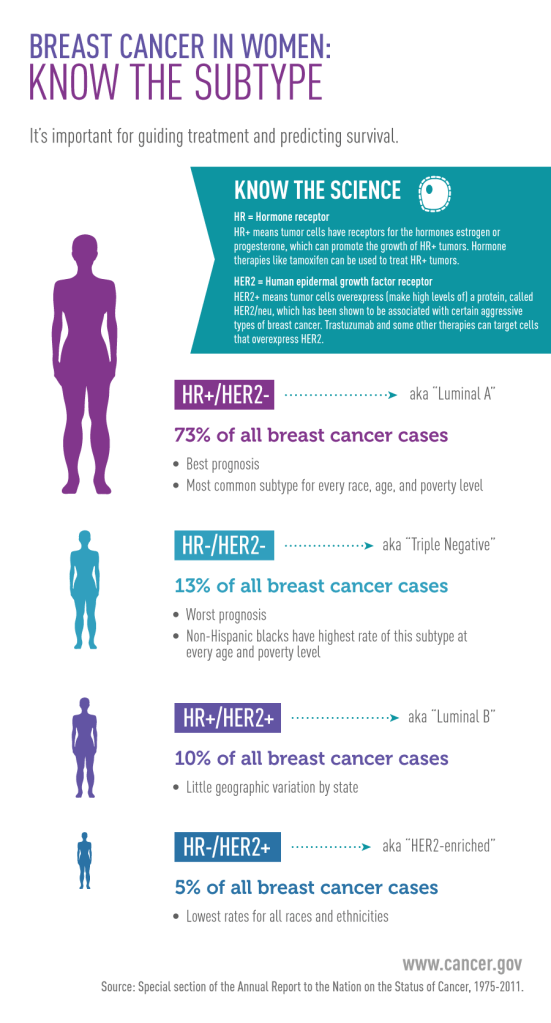
October is Breast Cancer Awareness Month
UBC CPD provides an online learning module “BC Cancer Primary Care Learning Sessions: Breast Cancer.” This online module is for primary care providers practicing in British Columbia who are interested in learning more about breast cancer care, and their role in supporting patients through their journey. This module explores best practices in screening, diagnosis, treatment, survivorship, surveillance, and late effects.
Click here to register.

