
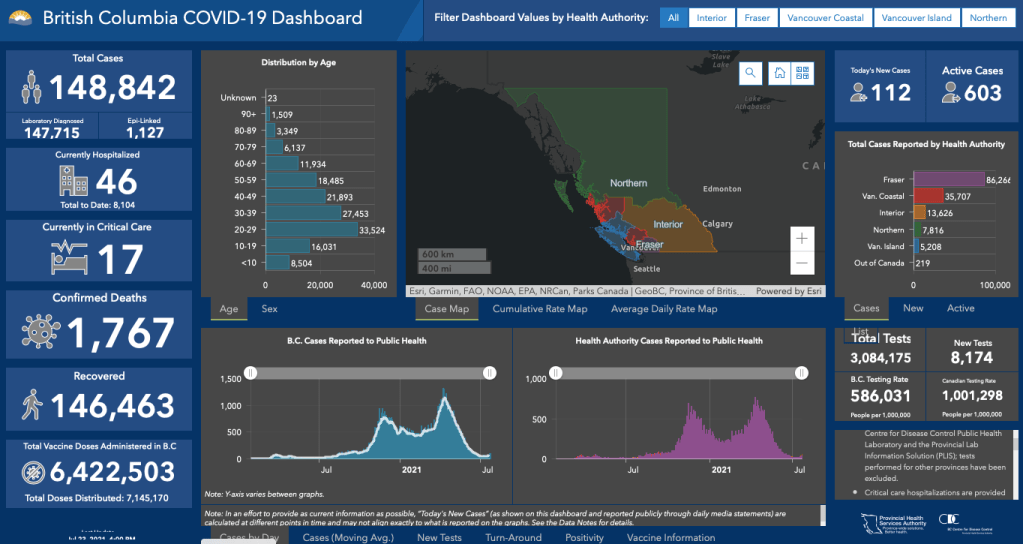
Good news! B.C. is accelerating second dose appointments for all eligible people because of increased vaccine supply. More information here. Let’s work on reducing the number of cases in our Fraser region. #WeCanDoIt
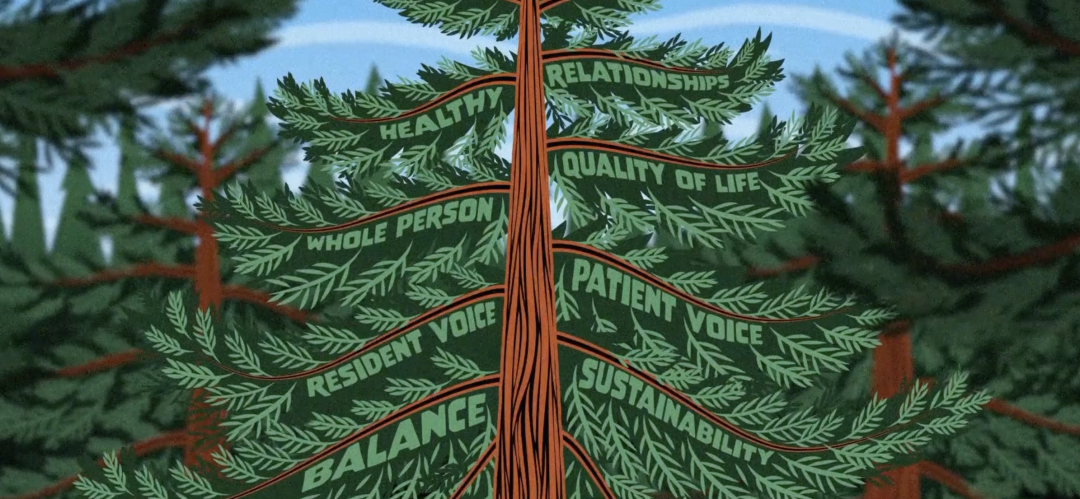
Welcome to the Team
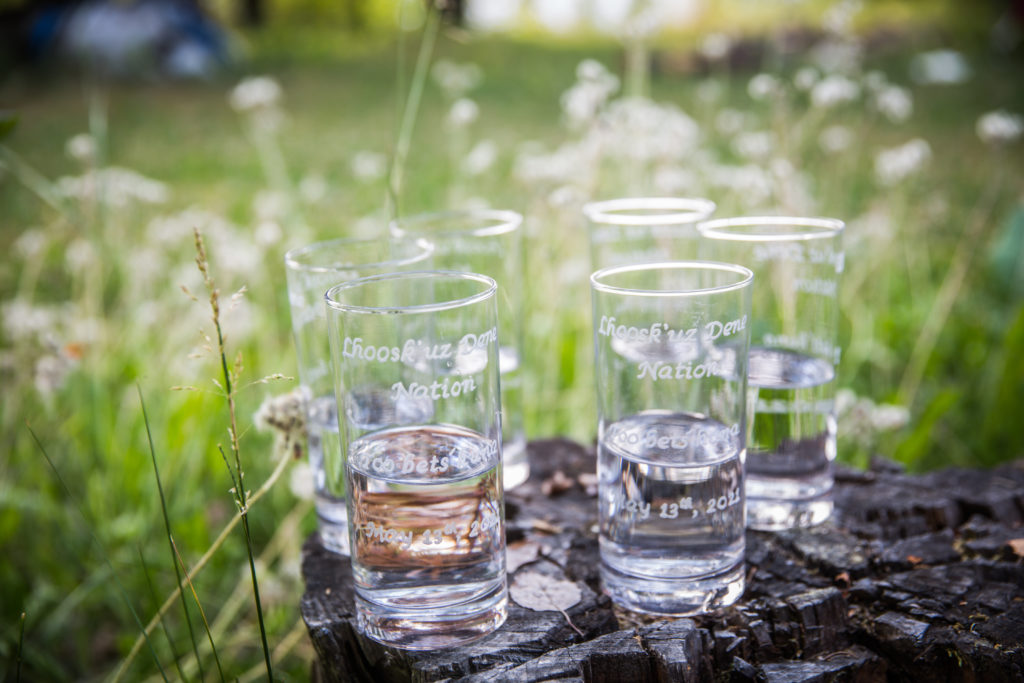
“‘I had glasses engraved with Too bets`huna, which in our language means ‘We live by water’, says Thomas. ‘As the Elders took their first sips, I had to hold back tears as the reality hit me. We’d done it, after years of waiting, after hundreds of conference calls and numerous forest fires and despite being in the middle of a pandemic. We were resilient and persevered.’
After decades of relying on bottled water, the village of about 50 people, located 200 kilometres west of Quesnel on Kluskus Lake, now has a steady supply of clean drinking water straight out of the tap, thanks to a new water treatment plant crafted to their unique needs.
‘We had to do things differently. And now, what was just a dream many years ago is reality,’ says Chief Liliane Squinas.
The robust treatment system relies primarily on ultraviolet light, paired with chlorine disinfection, to ensure clean drinking water that is free of harmful microbes. The setup is simple enough that it can be operated, maintained and even repaired without relying heavily on specialist skills or pricey components.
In the past, water treatment solutions for other remote communities foundered for a variety of reasons. Sometimes the system was too complicated or too burdensome to keep running. Other times the solution was simply too big for local conditions.
This time, Lhoosk’uz Dené members were determined to get it right and to build a system that was scaled to their needs, produced good-tasting and safe drinking water, and was easy to maintain and repair.”
Read more on Lhoosk’uz Dené village taps into clean water after a 20-year wait via UBC News.
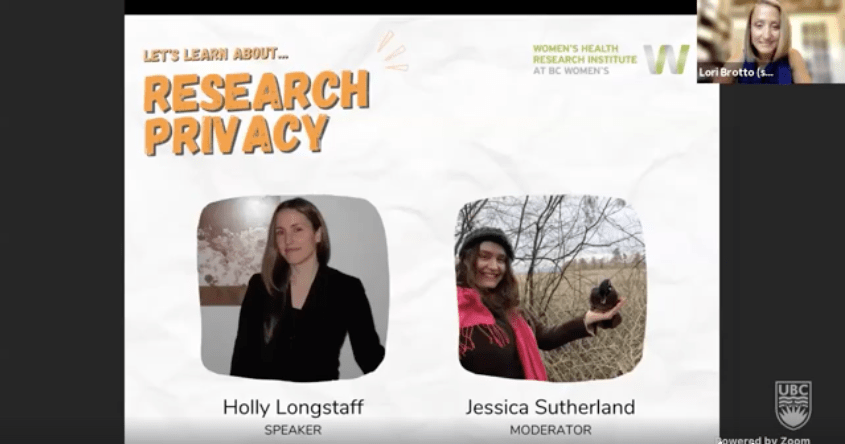
For those residents interested in pursuing research that involves patients, I encourage you to watch WHRI’s public event focused on privacy and security in health research. Dr. Holly Longtaff, Research Privacy Director at the Provincial Health Services Authority, gave a presentation about why participation in research is necessary and public safety. Jessica Sutherland, member of the Patient Research Advisory Board for the Endometriosis and Pelvic Pain Laboratory at UBC, moderated the talk.
View the session here.
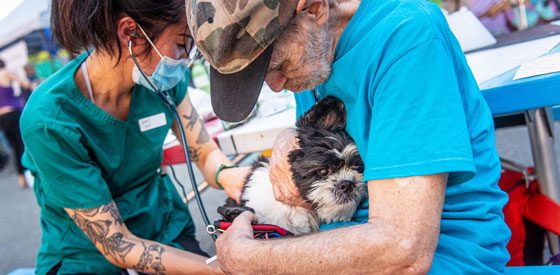
“When the BC government declared the COVID-19 pandemic a public health emergency in March of 2020, Kelsi Jessamine and Dr. Doris Leung had to act quickly to continue supporting their clients—pet owners experiencing homelessness or who are vulnerably-housed in Vancouver’s Downtown Eastside (DTES). The pair, who jointly run Community Veterinary Outreach’s (CVO) Vancouver program, had received a UBC Community-University Engagement Support (CUES) grant to offer a series of free ‘One Health’ veterinary clinics. The first event in late February had been a huge success. When the health order to stay at home came out, the second clinic was just days away.
‘It was just one of those things where, one day before the event, we thought, ‘we can’t do it’,’ said Doris, Regional Director of CVO in Vancouver. ‘The thing is, we had 80 pet owners signed up for that event, so we knew that people wanted to come—whether it was for flea control or grooming or pet food or pet supplies, or for seeing a nurse or a mental health support worker or a pharmacist—we knew there were a lot of people in need.'”
Learn more on Supporting pets and their people in the DTES: UBC-community partnership addresses public health needs while preparing future grads via UBC Community Engagement.
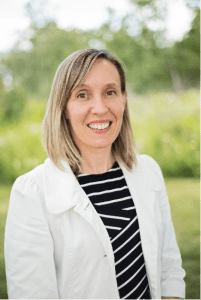
While I am constantly inspired by women in leadership positions, I am most inspired by families who have faced profound challenges, including grief and loss. They demonstrate incredible strength and grace, and the privilege of providing support through such experiences is what makes the practice of medicine truly meaningful.
The development of the Sustaining Pediatrics in Rural and Underserved Communities (SPRUCe) network, which I undertook with my colleague Dr. Jenny Retallack. SPRUCe aims to provide education, mentorship, locum and recruitment support for rural pediatricians. These physicians do amazing work with limited resources and limited time off and we hope SPRUCe’s initiatives make their professional lives easier.
Gain strength from your friends and loved ones; believe the positive feedback you receive because it is true; find mentors (more than one) who inspire you; model your practice after those you admire; and in the words of authors Emily and Amelia Nagoski, remember that “the cure for burnout is not self-care but it is all of us caring for each other.”
| Excerpt from Beyond the Classroom: Clinical Faculty Spotlight: Dr. Kirsten Miller. Learn more about her here! |

“A 28-year-old woman is brought to the emergency department after a motor vehicle collision. She has no clinically significant injuries other than a fractured radius. A urine drug screen is positive for opioids and marijuana. As part of a universal screening program, she undergoes testing for human immunodeficiency virus (HIV) infection, and the results are positive. The patient is single and heterosexual, and she reports that she does not use injection drugs but occasionally trades sex for drugs. She has not been tested for HIV previously. Her other routine laboratory studies are normal except for mild lymphopenia. How would you further evaluate and treat this patient?”
Learn more here on HIV Infection: Screening, Diagnosis, & Treatment via NEJM.
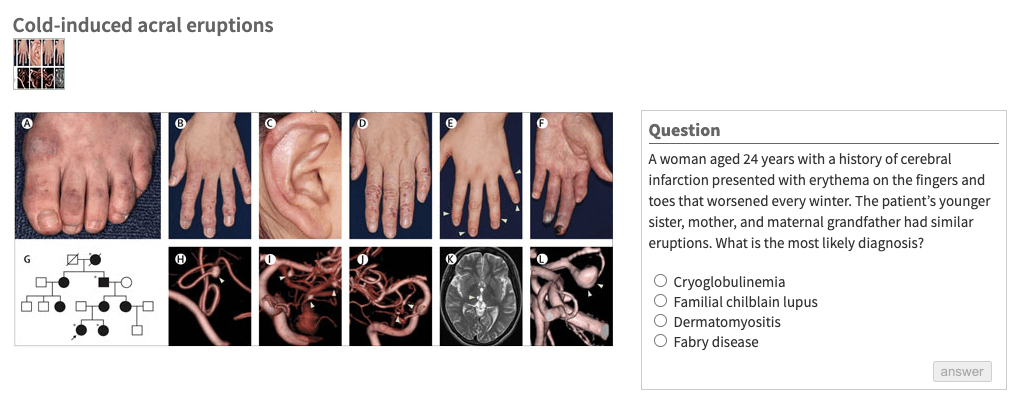
“What is…”
Click here to answer.
Sending a big warm welcome to our new cohort of UBC Family Practice residents! A couple of times a month I like to play The Lancet: Picture Quiz and pair it with one of my favourite classical pieces. Come play along.
#TheLancet #PictureQuiz
Congratulations to our Abbotsford-Mission Family Practice Preceptors and Residents on their program and site awards!
PETER GRANTHAM RESIDENT TEACHING AWARD: DR. CASEY HICKS
R1 recipients have been selected by their site leadership and have demonstrated interest and excellence in teaching.
BCCFP BEST PRESENTATION AWARDS: DR. MONIKA WOJTERA
This award is offered by BC College of Family Physicians to each training site to best resident presenters of their scholar project at local Scholarship Days.
SITE TEACHING AWARDS – RESIDENT SELECTED: DR. NADER ELMAYERGI & DR. THANH LUU
Selected by their resident cohort, this award recognizes preceptors/teachers who have demonstrated excellence in teaching.
SITE MEDICAL EDUCATION AWARDS – PEER SELECTED: DR. THANH LUU
Chosen by their peers, these awards recognize faculty in their work as clinical or academic teachers, scholarly faculty, leaders, mentors or coaches.
COACH’S AWARD: DR. SOPHIA PARK, DR. ANDREA WONG, & DR. BRIAN DRIEDGER
This award acknowledges our Abbotsford-Mission Family Practice preceptors/residents who have demonstrated superior performance, accomplishment, and a commitment to teaching excellence.

“Henry also noted that deaths from COVID-19 have stayed relatively low even during the punishing third wave of the pandemic, which she said ‘reflects the ongoing durable protection from immunization.’
British Columbians aged 12 and over who have not yet been immunized can register in three ways:
The province is aiming to have most people receive their second dose of a COVID-19 vaccine roughly eight weeks after their first.”
More on B.C. officials announce further reopening plans, with province set to enter Step 3 of its restart via CBC.

