
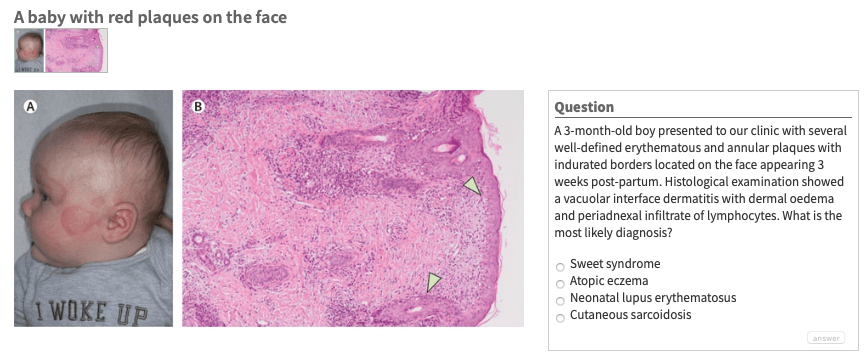
“What is….”
Click here to answer.
Rest In Peace Alex Trebek.
Patient education: Pancreatic cancer (Beyond the Basics) via UpToDate.
#TheLancet #PictureQuiz
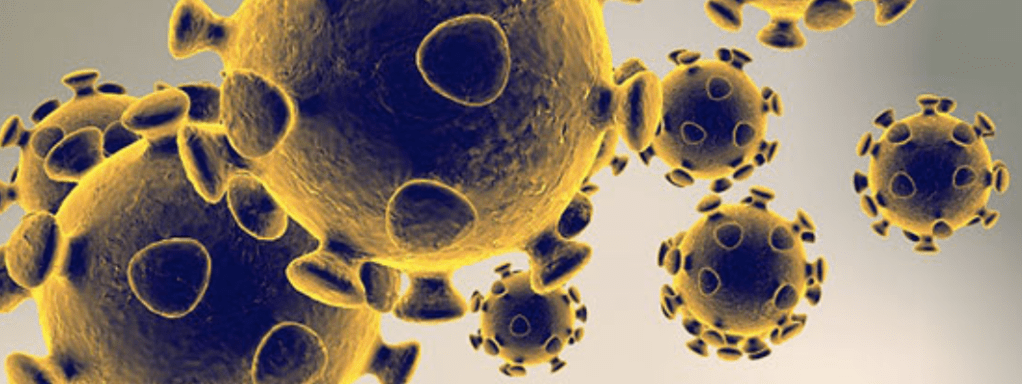
Due to a rapid increase in COVID-19 cases in our region, the Provincial Health Officer has issued new regional orders for all individuals, places of work, and businesses in communities in Fraser Health. The orders focus on four areas: social gatherings, travel, indoor group physical activities and workplace safety. These orders are in effect until November 23, 2020.
Specifics on these restrictions may be found here.
#WearAMask
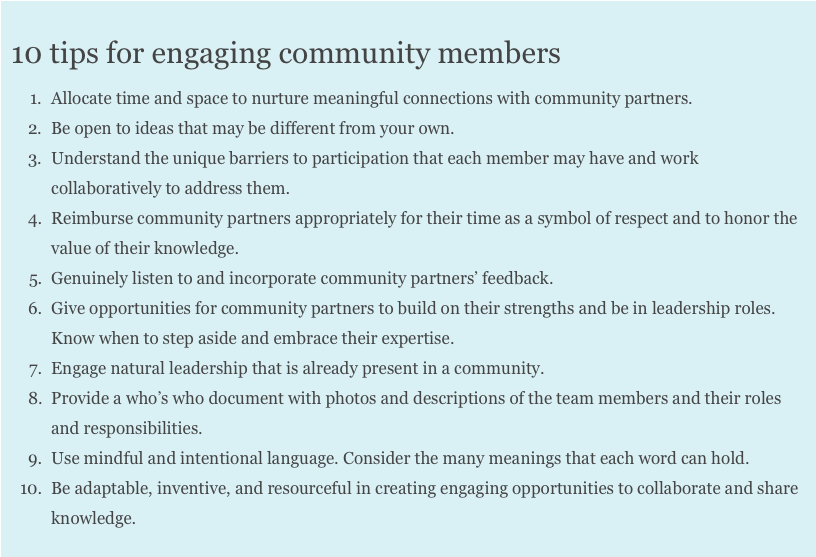
“Meaningful community collaboration in research, as we know it today, started during the HIV/AIDS pandemic as a grassroots movement to gain an equal voice at the table of scientific discovery. Today, participatory health research, community advisory boards, and knowledge translation are common buzzwords that look attractive to grant reviewers and journal editors. However, community partnerships cannot be reduced to mere tokenism or committee meetings. Meaningful community engagement involves lasting partnerships, a willingness to consider differing opinions, and elevation of lived experience to the level of academic credentials. It requires authentic collaboration at all stages, from generating research questions to translating findings into action, including community members in leading roles, building capacity, and providing ownership. Importantly, it is not a unidirectional process, but an interactive effort to embrace community wisdom, values, and priorities. Now, in the context of another infectious disease pandemic, lessons learned from engagement with the HIV community are more relevant than ever.”
More here on Practicable methods to overcome barriers to effective collaboration during a pandemic via BCMJ.
“I totally needed permission to take time off because medicine is all, it just pushes you to work so hard, and you always feel like you’re failing someone if you’re not there, not helping someone more.” ~ Dr. Micah Peters
Dr. Peters’ story on burnout is both refreshing and courageous. He talks specifically about the tools and mechanisms that supported his recovery and how he was able to bounce back and regain his health and sense of well-being.
(Thank you Dr. Kornelsen for the forward!)
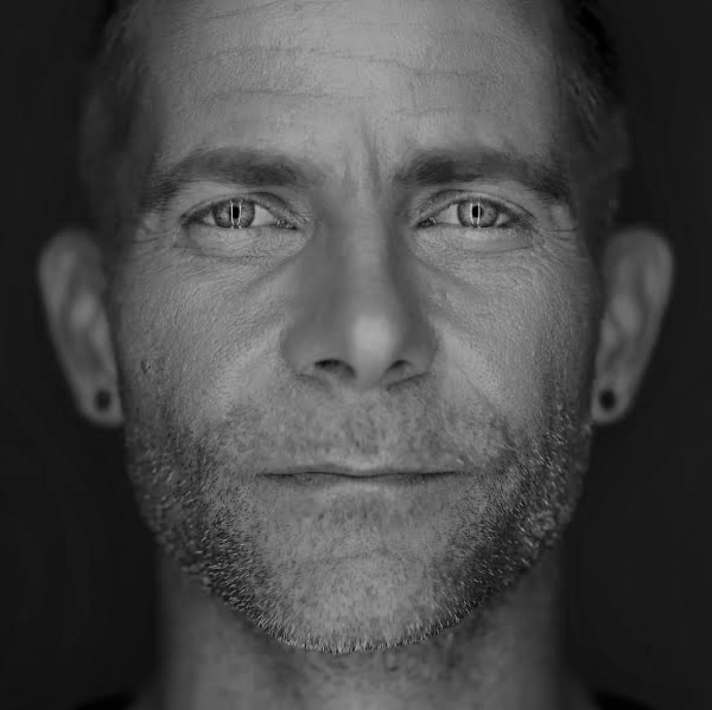
“An ER doctor says being diagnosed with a rare and serious form of cancer has been like ‘coming out as human.’ ‘I thought I knew all this stuff, I learned in school how to prevent these types of things, and now I’m just human after all,’ said Dr. James Maskalyk, an ER physician at St. Michael’s Hospital in Toronto. Maskalyk was diagnosed with stage 4 cancer in May, after he found a lump in his neck. A biopsy showed it to be a rare type of thyroid cancer.
…
‘That’s the healing process. It’s just a more complex idea of something that includes the mind and the body, and includes the community and ecology,’ he said. At the beginning of the pandemic, Maskalyk was leading people in daily meditation sessions on his social media accounts — and talked through that practice with The Current.
…
Maskalyk spent part of the summer at Indigenous healing centres (the Turtle Lodge in Manitoba, and the All Nations’ Healing Hospital in Saskatchewan), and said observing and working with elders there has helped him to process his diagnosis. He recalled advice he received from a knowledge keeper named Dave Courchene, who said that whenever anyone’s time comes to die, they ‘only get asked one question.’
‘Did you bring love into the world? … If you did, you’ve done it, you’ve done the work,’ Courchene told Maskalyk.”
More here on Dr. Maskalyk’s journey: Doctor who helped people meditate through pandemic fears diagnosed with stage 4 cancer via CBC Radio.
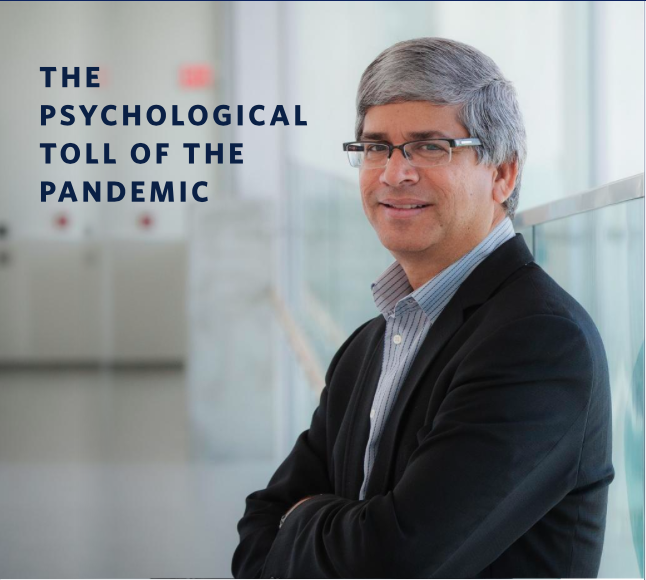
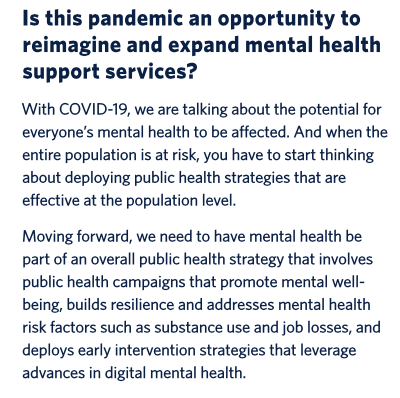
Fantastic article on the psychological toll of the pandemic featuring Dr. Lakshmi Yatham, professor and head of the department of psychiatry at UBC and regional head of psychiatry for Vancouver Coastal Health and Providence Health Care. In this article, he explores the psychological toll of COVID-19 and offers his advice on combatting stress and anxiety as society adapts to the new normal. Read more here.
“Children across BC with extraordinary health needs, requiring complex care, will soon have access to a children’s complex care transition centre in Vancouver. Operated by the BC Children’s Hospital, the facility will fill gaps in services and supports for children and young people with complex care needs and will complement what is currently provided in acute care and community settings. This will be the first centre in the country to provide such a comprehensive range of supports for children with medical complexity at a single site. The centre will serve as a stepping stone between acute hospital care, community care, and home, providing services under a new, unique model of care designed to support patients and families in the transition.”
Learn more here on Comprehensive Supports for Children with Medical Complexity via BCMJ.
Register via Learning Hub (Log-in or create an account in seconds. Once logged-in, enter Skin Cancer in the Search bar.)
Cost: $50 all disciplines. Event Details
2.75 Mainpro+ credits.
Questions: dilraj.mahil@bccancer.bc.ca
Dermatology Component
13:00 – 13:05 Start and Dermatologist Introduction
13:05 – 14:35 Common Skin Cancers
14:35 – 14:45 Break
Surgical Oncology Focus
14:45 – 14:50 Surgical Oncologist Introduction
14:50 – 15:50 Melanoma
15:50 – 16:00 Close and Evaluation
Dermatology focus:
Melanoma focus:

 Family Medicine Residency Site: Abbotsford-Mission