“Henry also noted that deaths from COVID-19 have stayed relatively low even during the punishing third wave of the pandemic, which she said ‘reflects the ongoing durable protection from immunization.’
British Columbians aged 12 and over who have not yet been immunized can register in three ways:
As we experience the unprecedented heatwave, please be aware of the following locations that are cooled and available for students, faculty and staff on our Vancouver campus today and tomorrow:
AMS Nest — 6133 University Blvd
Irving K. Barber Learning Centre — 1961 East Mall
Thunderbird Stadium concourse and stands — 6288 Stadium Rd
Orchard Commons Open Kitchen — 6363 Agronomy Road, access via west doors off West Mall
Mercante — 6488 University Blvd.
For any employees who are working remotely, but who wish to work within an air-conditioned space on campus, please discuss options with your manager. Please also note that working on campus is subject to COVID-19 safety plans, as well as the COVID-19 Campus Rules which can be found at https://srs.ubc.ca/covid-19/ubc-campus-rules-guidance-documents.
Managers with questions about specific situations should contact Safety and Risk Services (ready.ubc@ubc.ca) to discuss any concerns regarding safety regulations. Please contact the Facilities team for questions related to buildings, and your HR team for advice in situations where employees cannot attend the workplace or work remotely.
Advice for staying cool:
Stay out of the sun as much as possible
Plan ahead for where you can spend time in a cool or air-conditioned place, and seek shade when outside
Wear a wide-brimmed hat, lightweight, loose-fitting clothing, and sunscreen
Avoid strenuous activity and exercise
Drink plenty of cool fluids such as water before you feel thirsty
Fill up your water bottle frequently at taps and drinking fountains
Dampen washcloths, hand towels with cold water to make a cool compress
Recognizing symptoms and signs of heat-related illness and heat exhaustion:
Extreme thirst
Dizziness
Confusion
Weakness
Fainting
Rapid breathing and heartbeat
Nausea and vomiting
If you see someone suffering from too much heat, call 9-1-1 and help them cool off by applying water to their face and neck until emergency services arrive. You can also call 8-1-1 to speak to a nurse. Interpretation services are available on these phone numbers.
The City of Abbotsford said its cooling centres would run from 1 p.m. to 5 p.m. on days when the temperature exceeds 32 C or 30 C for consecutive days.
These include:
Heritage Alliance Church at 3440 Mt. Lehman Road.
Cascade Community Church at 35190 Delair Road.
The Abbotsford, Clearbrook and Mount Lehman libraries.
The Reach Gallery Museum.
On Sunday, the Central Okanagan Emergency Operations centre said it has opened several cooling centres across the region, including:
Parkinson Activity Centre, Kelowna.
Rutland Activity Centre, Kelowna.
Lakeview Heights Baptist Church, West Kelowna.
Peachland Community Centre, Peachland.
More on B.C. heat wave shatters Canadian record for highest temperature ever recorded via CBC.
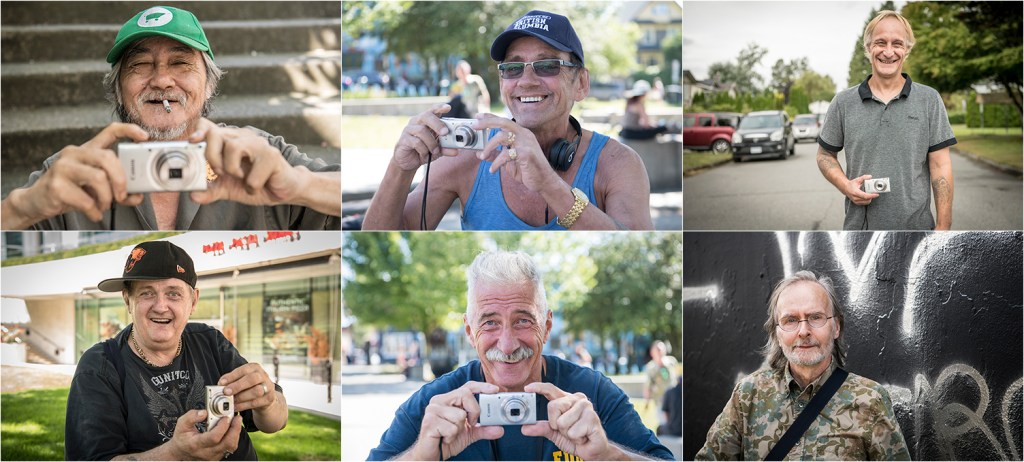
‘Shifting Focus’ participants (clockwise from top left): Rickie, Richard, Jason, Patrick, Giuseppe, Robert.
“How do you move forward after being released from prison?
Called Trauma at the Root, the participatory project is a collaboration between UBC’s Collaborating Centre for Prison Health and Education (CCPHE) and John Howard Society of Canada that is exploring new ways to foster resilience among men who have been incarcerated.
‘Research shows that incarcerated men often have some form of trauma in their backgrounds,’ said Dr. Chris Richardson, principal investigator on the project. ‘Incarceration itself is also emerging as a recognized form of trauma, with impacts on physical and mental health–especially with respect to how men learn to manage stress. Add in the stigma that can be associated with incarceration and a feeling that, as a man, one can’t ask for help—these are difficult things for anyone to overcome.’
The Trauma at the Root project is exploring the idea that increasing awareness of trauma and its effects can help men develop skills to manage traumatic stress and promote improved self-care. The project is fostering resilience in men by engaging them in strengths-based activities that connect them with peers and allow them to discover their own interests and abilities.”
“Photos help you actually focus on some of the things you have to change around you. You tend to look for things that are positive in the city, in a world that’s pretty well negative.” -Robert
To learn more about the Shifting Focus and Trauma at the Root projects, contact Kate Roth and Chris Richardson at the CCPHE (ccphe@spph.ubc.ca).
To learn more about community-based research related to the Downtown Eastside, contact Heather Holroyd at the UBC Learning Exchange (heather.holroyd@ubc.ca).
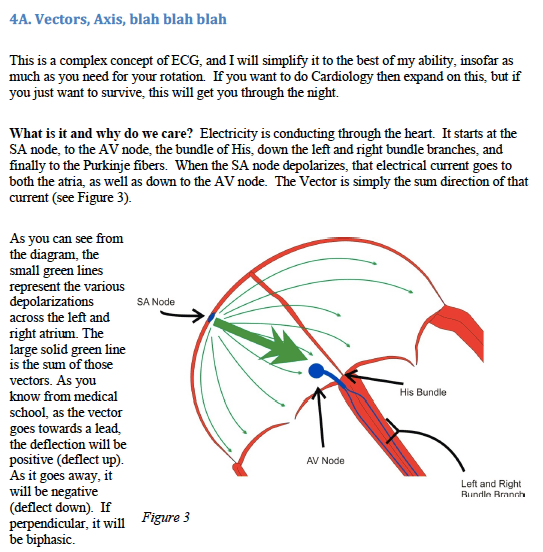
A big thank you to our ARHCC Cardiologist and UBC Preceptor, Dr. Nader Elmayergi, and his contributing authors Dr. Bains (Medical Director, Heart Failure), Dr. Gusbi (Medical Director, Cardiodiagnostics), and Dr. Rezazadeh (Electrophysiology & Pacemaker Clinic Director) for our newly updated Cardiology Primer 3.0!
The primer is also conveniently located under Residents for those interested in downloading the guide.
Thank you to Elspeth Humphreys & Dr. Anthony Oshun for joining us at our academic half day to discuss the topic of eating disorders. Following their presentation, they shared the following resources:
Learn more about their team here at “The Fraser Health Eating Disorders Programs team, North Delta Mental Health Office, joined together to improve client outcomes through an innovative new family therapy approach” via Fraser Health.
The Asia Pacific Women in Leadership Mentoring Program provides international and intercultural opportunities for the empowerment, professional growth and development of aspiring women leaders. Two mentors (one senior academic leader and one senior administrative leader), and two mentees (aspiring women leaders) will be chosen to participate. Mentees should identify as women. Mentor applications are open to all genders.
Through this is a year-long program, mentees and mentors will be matched from the 15 member institutions within the Association of Pacific Rim Universities.
Dermot Kelleher, Dean, Faculty of Medicine and Vice-President, Health, and Santa J. Ono, UBC President and Vice-Chancellor, invite you to join us as we formally launch and reflect upon the Faculty of Medicine’s Response to the Truth and Reconciliation Commission of Canada’s Calls to Action at a virtual event on June 25, 2021.
The program will feature guest speakers including Musqueam and Syilx Elders, The Honourable Steven Point (xwĕ lī qwĕl tĕl) and other Indigenous leaders, as well as a panel discussion with members of the Indigenous student, faculty, staff and alumni communities.




 Family Medicine Residency Site: Abbotsford-Mission