
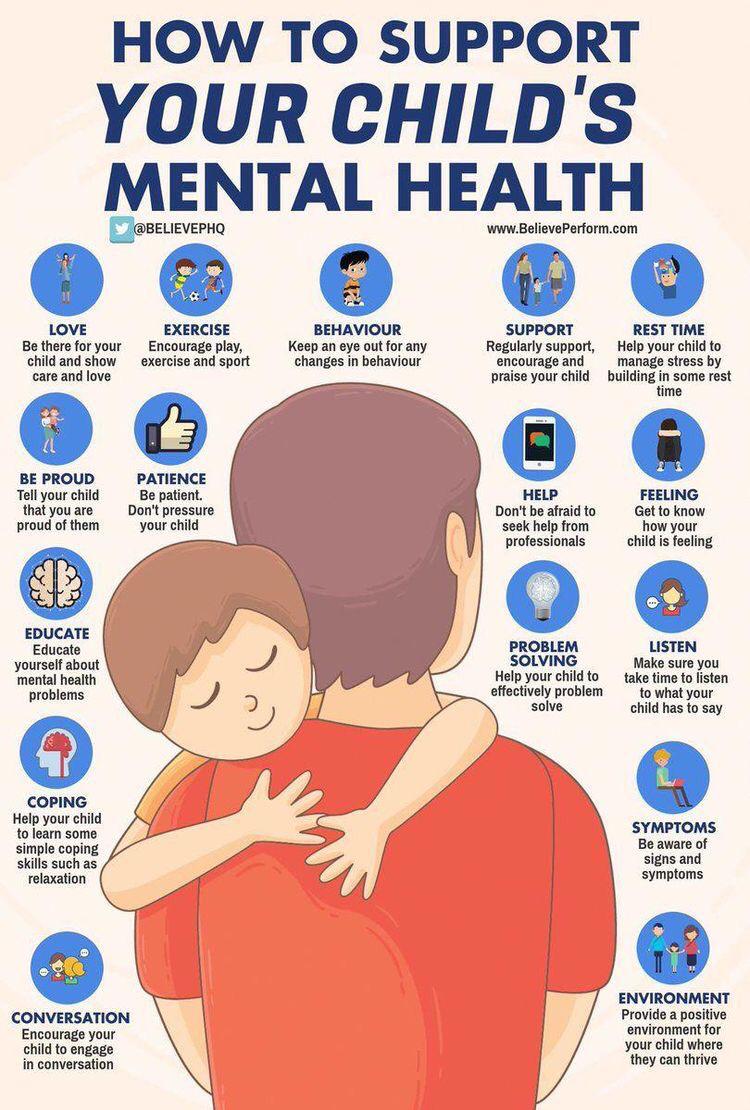
Love this poster! For more information on how you can support your child’s mental health, visit Caring for Kids: Information for Parents from Canada’s Paediatricians.
Love this poster! For more information on how you can support your child’s mental health, visit Caring for Kids: Information for Parents from Canada’s Paediatricians.
Canadian Association for Medical Education (CAME) Webinar Series (Feb 2019)
Diagnosing students/residents in difficulty and providing appropriate pedagogical interventions
Dr. Miriam Lacasse
Feb 12, 2019 | 1200-1300 PM
Diamond Health Care Centre, 4th Floor Room 4115 & UBC Campus, Life Sciences Centre, Room 1312CMR
Overview: Why do clinical teachers have such difficulty acknowledging that a student is in difficulty? One underlying reason is a lack of information about remediation options.
In this webinar, participants will use the analogy of a clinical reasoning process to analyze and take an organized approach to dealing with the daily problems facing learners in difficulty. They will learn how to recognize the signs and symptoms of students in difficulty, how to make a pedagogical diagnosis that takes into account the various dimensions of learning, and how to use a list of relevant pedagogical interventions generated by a BEME systematic review to help learners in difficulty advance in their learning (https://bemecollaboration.org/Reviews+In+Progress/Remediation+interventions/ ).
You can also attend from your office or home by completing the following simple steps:
If you happen to be more centrally located, you or your site can request a link, particularly for Victoria, Prince George, Kelowna – please email Fac Dev at the address in step 2 to have your venue set up.
(Thank you Theresa!)
More on “Platforming” healthcare: A conversation with Dr. Amy Compton-Phillips
Also, check out Matter’s community of innovators and disruptors in healthcare.
(Thank you Tim)

Course Description: This is a highly interactive course on common and new therapeutic issues from an evidence based perspective. The scope of information is broad, practical and often controversial, appealing to physicians, nurse practitioners and pharmacists.
This Group Learning program has been certified by the College of Family Physicians of Canada and the British Columbia Chapter for up to 12 Mainpro+ credits.
Learn more or register here!

More on How Bringing Room Service to Hospitals Can Help Patients Heal (via CBC Podcast)
UBC’s Preceptor Role Description is available! Download here.
Hat tip to brain scientist and fellow mountain climber, Dr. Todd Maddox, for his fantastic article on the learning science of expertise. Thank you Todd for sharing your work and brilliance! More here on Building Healthcare Expertise with Virtual Reality.
Hot off the press! The digital transformation of physician-patient consultations: Identifying problems and approaches to improve adherence (Thanks Bonnie!)
Great piece out of the New Yorker. The personal toll of whistle blowing: Why one physician took the risk of becoming an F.B.I. informant to expose alleged Medicare fraud by Sheelah Kolhatkar.
The models and access atlas to primary care: British Columbia.
Territories by Land. What a beautiful map!
Ten things to never apologize for again.
Neurotech startups to watch.
Diagnosing diseases by smell: Artificial intelligence, nanotechnology, and molecular technology intersect. NaNose!
Physician health: A review of lifestyle behaviours and preventative health care among physicians by Katie Wiskar.
The supply of physicians in Canada: Projections and assessment (via Fraser Institute)
How to better care for seniors living with HIV (via The Star Vancouver)
Bill of the month! Amazing to learn what an allergy test can cost in the US (via NPR)
The science of stress and how our emotions affect our susceptibility to burnout and disease (via Brainpickings)
Snow is forecasted this Sunday so please drive safe and be prepared for slippery conditions.
Have a great weekend!
Jacqueline
 Family Medicine Residency Site: Abbotsford-Mission