Leadership & Technical Expertise

“First, when we teach people about leadership, we need to be more explicit that domain expertise matters. Just because a person is successful at running one kind of organization does not mean that they are likely to have the same degree of success running an organization with a different mission. Second, when we train people to take on leadership roles, we need to give them practice solving domain-specific problems so that they can prepare to integrate information in the arena in which they are being asked to lead. For example, it isn’t enough just to teach people about how to resolve generic conflicts between employees, we should create scenarios derived from real cases so that people have to grapple with all of the ambiguities that come from the conflicts that arise within particular industries.”

More on Can You Be a Great Leader Without Technical Expertise? (2017) by Dr. Art Markman via Harvard Business Review.

#Leadership #Medicine #HBR #ArtMarkman
Qui Dat Videre Dat Vivere

Arabella Steinbacher & Akiko Suwanai – J. S. Bach : Concerto for Two Violins

“During the last year of his life, Bach’s vision became so poor that he decided, after persuasion by his friends, to have his eyes operated on. Two operations were performed in 1750 by the traveling English ophthalmiater ‘Chevalier’ John Taylor (1703 or 1708-1772), who happened to be in Leipzig.

Taylor had completed a surgical training in England; he also attended lectures by Hermann Boerhaave in the Netherlands and learned the art of couching from Jean Louis Petit in France. After his training, Taylor started practicing in Switzerland, where he blinded hundreds of patients, he once confessed. During his working life, he spent most of his time traveling around in a coach painted all over with eyes and the words qui dat videre dat vivere (giving sight is giving life). His travels took him over the greater part of Europe and beyond, to Russia and Persia, where even kings and emperors were among his patients. More than once he was robbed and almost killed during his travels. Taylor knew a lot about ophthalmology and left scientific articles in several languages. He was the first to describe keratoconus, which he also illustrated in a recognizable way. In the surgical approach to strabismus by means of cutting an eye muscle, he was ahead of his time. This made Taylor a rare combination of a man of serious science and a charlatan in daily practice.”

More on The Eyes of Johann Sebastian Bach (2005) by Dr. Richard Zegers via JAMA Ophthalmology.

#ClassicMonday #JohannSebastianBach #JohnTaylor #Myopia

Partnering with Patients

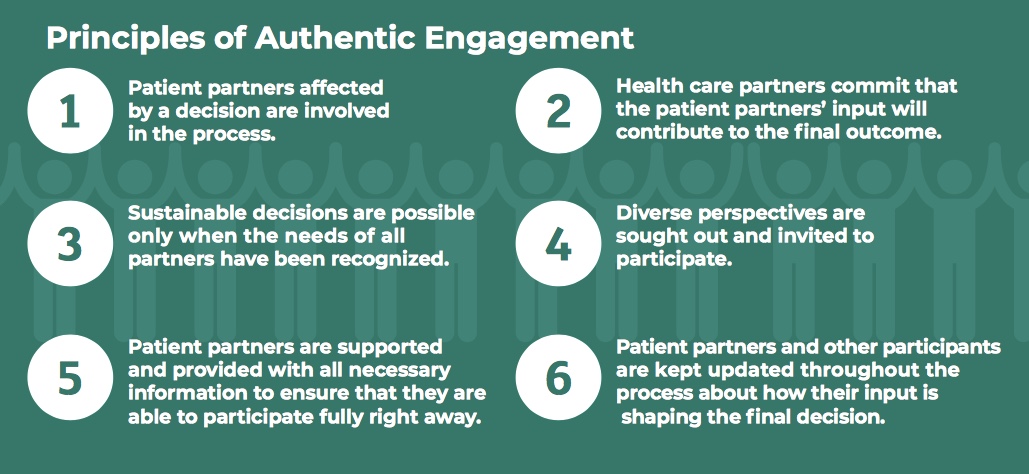
authentic engagement.jpegBC Patient Safety & Quality Council published “How to Partner with Patients Authentically” to encourage patient engagement and collaboration among physicians, patients, family members, and caregivers.

“The guide covers the essentials of authentic patient engagement, including key concepts around why it’s important to involve patients and how doing so improves the patient experience. You’ll learn how to connect with the right patient partners, involve them directly in quality improvement processes and engage with them authentically. The guide also explores concerns such as overcoming challenges in patient engagement and avoiding tokenism.” Download here.

(Thank you for sharing Dr. Christie Newton!)

#PatientSafety #PartnerWithPatients

CHES: Articles of Interest on Medical Education

ches
CHES recently distributed a collection of medical education article abstracts to members! “We thank Dr. Gisèle Bourgeois-Law who has created these summaries for the education community at the Island Medical Program. While these articles have a medical education focus, we are using this opportunity to explore the value of such an initiative to our larger CHES community. Article themes include topics such as: feedback and mindfulness, those by local/BC educators, those relevant to a distributed medical program, and those with new ideas. Our aim is to include a variety of quantitative and qualitative research articles, review articles, and concept articles, some of which contain an interesting editorial or commentary. This summary is not meant to be comprehensive, nor to include everything of potential interest.

If you would like to nominate an article for future inclusion or have any questions, please email us at ches.communications@ubc.ca.”

#UBC #CHES #MedicalEducation #July2019

AMEE Webinar

The next International Association for Medical Education (AMEE) webinar is coming up!

This free webinar forms part of a guest blog by Professor Stewart Mennin on the topic ‘Tame your Wicked Issues in medical education: What has you stuck? How to get unstuck with Adaptive Action’  Tuesday 30 July 2019 at 14:00 (2pm) BST/UK. 

As of 2019, the AMEE webinar series will be entirely free and you can access the webinars by joining here when it begins.

Due to limited space it is advisable to join on time as AMEE cannot guarantee entry to webinars.

For further information regarding AMEE’s webinars please email mededworld@dundee.ac.uk

Grief & Loss

rollout

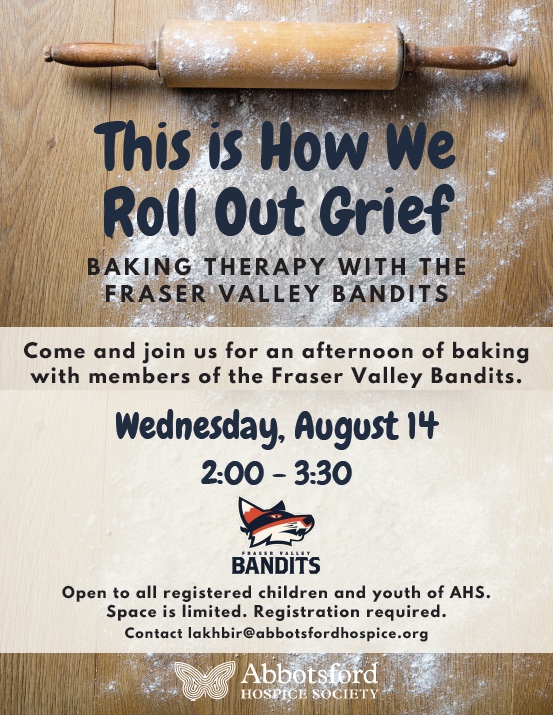
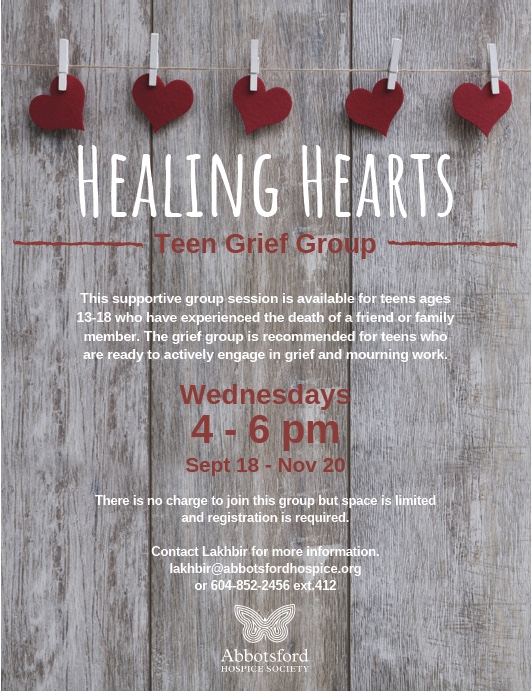
The Abbotsford Hospice Society is hosting a series of events this summer addressing grief and loss. When things get tough for me I either head up a mountain or into the kitchen! It’s wonderful to see the array of activities that acknowledge the many different ways we process grief and loss. And what a great opportunity to meet our new basketball team the Bandits! How cool is that?!

For more information on these activities or to sign up, please contact via email Dr. Lakhbir Jassal or by phone 604-852-2456.

Onward & Upward,

Jacqueline

kickhealing

CanMEDS Resource Stewardship

waste in healthcare“MDs drive 80% of all healthcare costs (e.g., which patients are seen and how frequently; which patients are hospitalized; which tests, procedures, and surgical operations are administered; which technologies are used; and which medications are prescribed). (Berwick & Hackbarth , 2012)

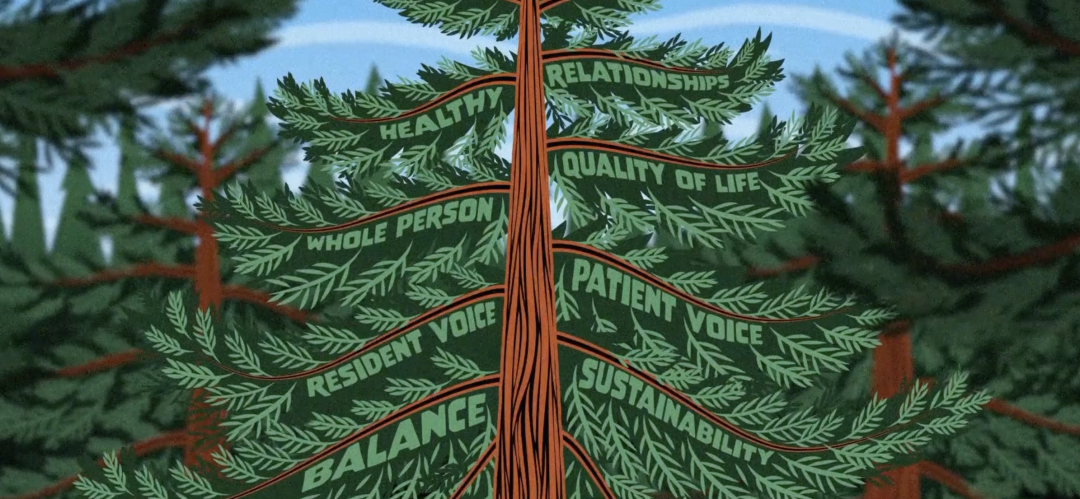
As leaders in the health care system, physicians regularly engage in the stewardship of health care resources. In a complex system with competing priorities and demands, resource stewardship is often challenging.

As a busy clinician teacher, you recognize the importance of stewardship in your practice and in the system every day. You may be wondering though how you will ever find ‘extra’ time to prepare your residents for the challenges associated with stewardship?

Introducing three new toolkits (Foundations of Resource Stewardship, Undertaking a Resource Stewardship Project During Postgraduate Training, and Communicating with Patients and Families About Resource Stewardship) to help you teach residents the foundations of resource stewardship. Designed for you to use with as much or as little adaptation as you choose; the toolkits include things like modifiable power point slide decks, annotated bibliographies, how-to guides, etc.”

Learn more and peruse these toolkits here.

Berwick D and AD Hackbarth. Eliminating Waste in US Health Care. JAMA. 2012;307(14):1513-1516

#ResourceStewardship #CurriculumToolkit #RoyalCollegeOfPhysiciansAndSurgeons

Organ Donation

“Being a living organ donor, or donating your organs after you die, can help save lives and improve quality of life. Registering with the BC Transplant Organ Registry is the best way to record your decisions to be an organ donor, and ensures that health care providers in every hospital in British Columbia have access to your confidential donor information. For information on organ transplants in B.C., visit BC Transplant.” (via HealthLinkBC)

  • Over 1,600 Canadians are added to organ wait lists yearly.
  • A 90% majority of Canadians support organ and tissue donation but less than 20% have made plans to donate.
  • One donor can benefit more than 75 people and save up to 8 lives.
    (via Canadian Transplant Society)

#BCTransplantOrganRegistry #PlanToDonate #Save8Lives

Oxycodone in Mussels

1024px-CornishMussels.jpg
Wilson44691 at English WikipediaPhotograph taken by Mark A. Wilson (Department of Geology, The College of Wooster)

“The Washington Department of Fish and Wildlife, in collaboration with the Center for Urban Waters (University of Washington Tacoma), reported detecting contaminants of emerging concern (CECs) in transplanted mussels collected in 2012/2013 from locations near urbanized areas around Puget Sound. In 2018 investigators reanalyzed mussel tissues collected in 2012/2013 and identified over 200 pharmaceuticals, including trace amounts of antidepressants, antibiotics, detergents (synthetic surfactants), cardiac medications, and the chemotherapy drug melphalan, among others. They also found traces of oxycodone in mussels taken at 3 of 18 locations (17%).”

Learn more on the Human Health Implications Following Detection of Oxycodone in Mussels Collected in Washington State (2019) by Yau et al via BCMJ.

Where can I drop off out-dated or leftover medicine or medical sharps in British Columbia?
When you pick up your prescription, ask your pharmacist. You can also visit BC’s Medications Return Program to find a location or click on Returning Medicine or Medical Sharps to learn how and where you can dispose of your prescriptions or call the RCBC Recycling Hotline: recycling hotline