
A Mile in Our Moccasins (2018) “is a short film that was co-created by five Indigenous youth who are living with HIV. The vision behind the film is to combat HIV stigma, address HIV myths and misconceptions, while awakening compassion, education, and understanding in those who view it.” This incredibly courageous and moving film may be viewed here.
- Congratulations to our Elder Roberta Price on her co-authored study that integrates cultural practices to help Indigenous women recover from the trauma of partner violence.
- Cuystwi and Ask Auntie are part of a series of online training resources developed by Indigenous Youth Wellness for youth and youth workers.
- Registration is open for the BC Rural Health Conference.
- Resources for BC health care providers and people living with chronic pain.
- Twelve tips for improvement-oriented evaluation of competency-based medical education. Medical Teacher, DOI: 10.1080/0142159X.2018.1552783). (Thank you Dr. Ross)
- Adopting a learning stance: An essential tool for competency development (Thank you Dr. Lacasse)
- Virtual reality may enhance the lives of seniors.
- Struggling with making change stick? Try these 3 creative exercises.
- UBC’s Primary Care Innovation Support Unit takes on team-based care.
- Hospitals turn to housing to help homeless patients.
- More than $30 million awarded to five Canadian universities for state-of-the-art research equipment.
- Tools for tracking down guidelines.
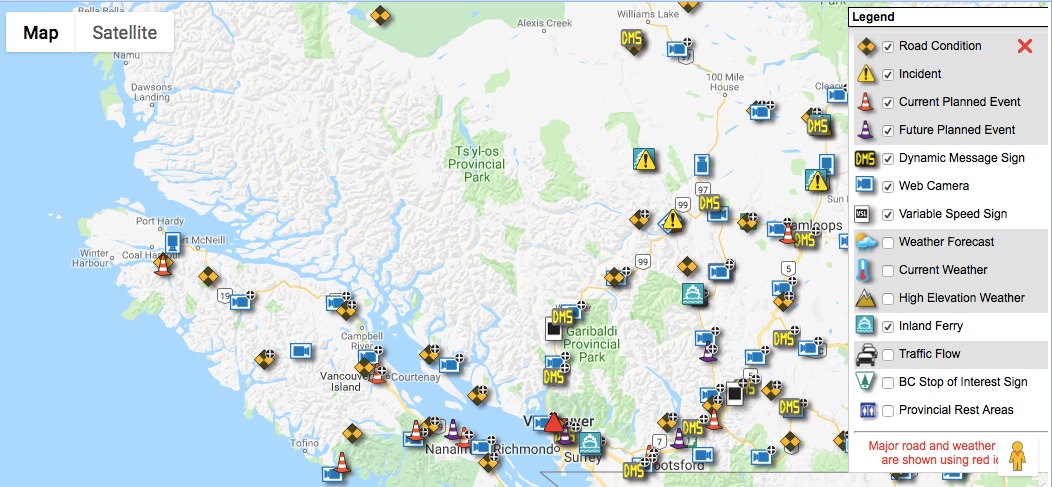
Have a great weekend! Know before you go and drive safe.
Warm regards,
Jacqueline


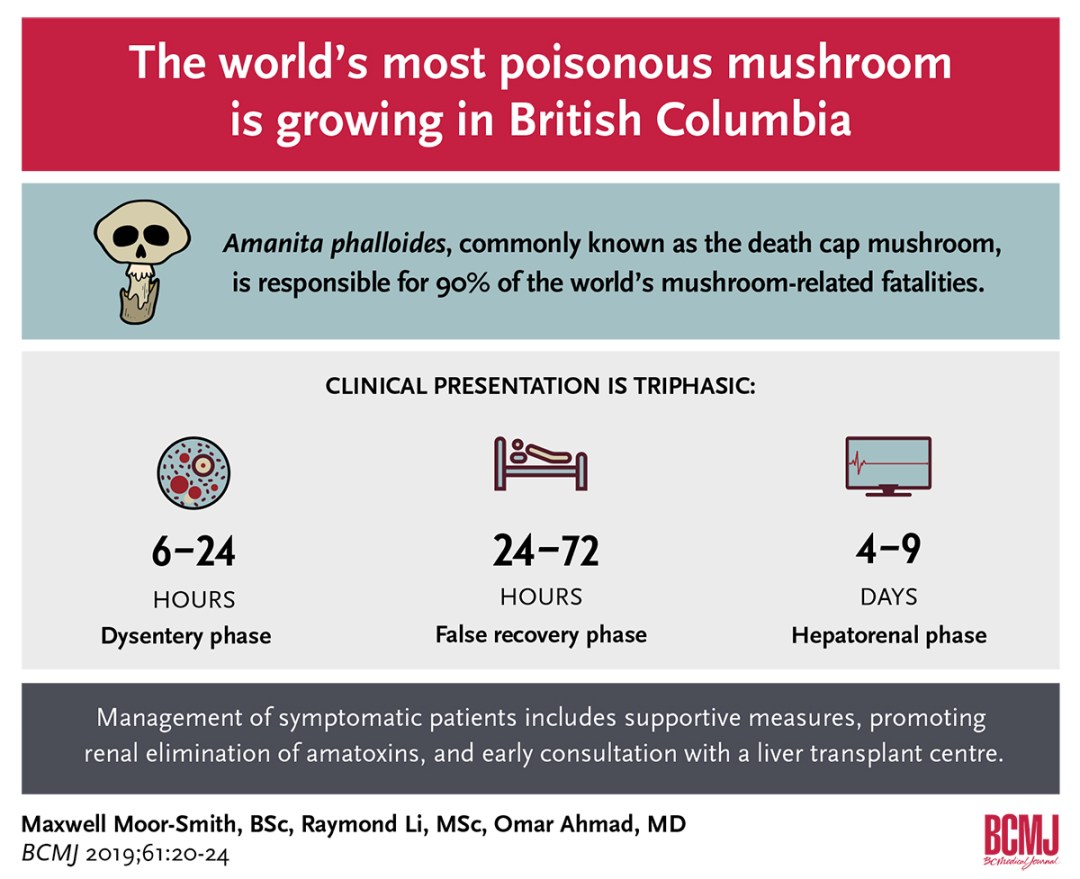 “Amatoxins in Amanita phalloides, commonly known as the death cap mushroom, are responsible for 90% of the world’s mushroom-related fatalities. The most deadly amatoxin for humans is α-amanitin, a bicyclic octapeptide that irreversibly binds RNA polymerase II, thus preventing protein synthesis and causing cell death. Three recent poisoning cases in British Columbia show how the death cap can be easily mistaken for edible mushrooms such as the puffball and the paddy straw mushroom.”
 “In different environments, people can judge you by the way you look or talk, by the color of your skin, and so on, and you can’t please everyone. Therefore, I always treat my mind as a garden, and focus on the beautiful flowers in it, discarding all the negatives, because people and their opinions can get to you very easily. Sometimes, I do feel tired and exhausted, but I never reach a dead end, because I feel that if there is a will, there is a way. And you need to surround yourself with people who, even if they haven’t excelled in their own education or career, really believe in you, no matter what. It’s because you need that unconditional trust and love. And once you have a mission in life that is a light to carry you forward, you won’t even notice the obstacles and the challenges anymore.”
 Family Medicine Residency Site: Abbotsford-Mission