Male Bias in Medical Trials

6401.jpg
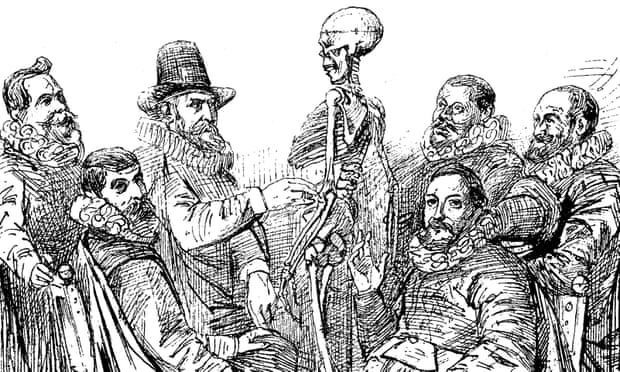
Photograph: ilbusca/Getty Images

“In 1985, a report by the US Public Health Service Task Force on Women’s Health warned that ‘the historical lack of research focus on women’s health concerns has compromised the quality of health information available to women as well as the health care they receive’.

The campaign drew attention to some of the absurdities that resulted from this male bias, which Maya Dusenbery has summarised in her 2018 book Doing Harm: The Truth About How Bad Medicine and Lazy Science Leave Women Dismissed, Misdiagnosed and Sick. She notes that, in the early 60s: ‘Observing that women tended to have lower rates of heart disease until their oestrogen levels dropped after menopause, researchers conducted the first trial to look at whether supplementation with the hormone was an effective preventive treatment. The study enrolled 8,341 men and no women … And a National Institutes of Health-supported pilot study from Rockefeller University that looked at how obesity affected breast and uterine cancer didn’t enrol a single woman.’

And that’s not all.”

More on The female problem: how male bias in medical trials ruined women’s health via The Guardian.
Artifishal: The Fight to Save Wild Salmon

“We’ve been relying on those same runs of fish, those wild fish, since the beginning of time. When your health is their health, you’re married in that way. And I think that union creates the sacredness. To have that relationship with a single species is real special.

…If we let those runs go, then they are gone, and I do not think that we as people who are on this planet now should be okay with allowing salmon to go extinct on our watch.”

~ Amy Cordalis, Yurok Tribal Attorney

#SaveBCWildSalmon #RemoveTheFishFarmsFromClayoquotSound #OurHealthIsConnected

More on Conservation groups sound alarm over another sea lice outbreak in Clayoquot Sound via CBC.

More on Fish farm caused Atlantic salmon spill near San Juans, then tried to hide how bad it was, state says via Seattle Times.

Writing an Abstract

Hello Residents!

For those of you preparing your abstracts, I understand some of the confusion about writing a summary for a project that is still in progress.

Therefore, what I suggest is preparing a brief 250-word paragraph that encompasses the essence of the project. This should include the following:

1. Introduce the topic.
2. Indicate the gap in the literature and empirical research.
3. State the methodological approach. For #1-3, use the content from your project proposal and literature review.
4. Briefly summarize results. If your data has yet to be analyzed, then indicate that. If you are in the throes of conducting the analysis right now, then write something like “The preliminary results show….” By stating this, you’re indicating to the reader that you’re in the early stages of figuring out what the data means and its significance to your overall study.
5. Pithy conclusion. Finalize the abstract with a general statement about your findings, any recommendations, and what contributions you think the study has made to the topic of interest.

Please feel free to reach out with any questions and remember that the final abstract to the program is due December 13th so you still have a month to finish up!

Warm regards,

Jacqueline

Scholar Project Timeline & Abstract Drafts Due

Greetings Residents!

Reminder that your Scholar Project draft abstracts are due tomorrow November 15th. Please forward them to Dr. Liu and me for review and input. Dr. Liu also shared Dr. Rita McCracken’s Scholar Project Manuscript Format Overview. Please download as a reference. A reminder of the additional deadlines:

  • Draft abstract due to site faculty: November 15, 2019
  • Final abstract due to Program Office: December 13, 2019
  • Final manuscript due to Program Office: February 28, 2020
  • Remediation work, if necessary: March 2 – May 31, 2020
  • Deadline to apply for Lloyd Jones Collins Award: March 31, 2020
  • Presentations due to Program Office: June 12, 2020
  • Central Lloyd Jones Collins Scholarship Day: June 19, 2020

Warm regards,

Jacqueline

Suggested Reading: November

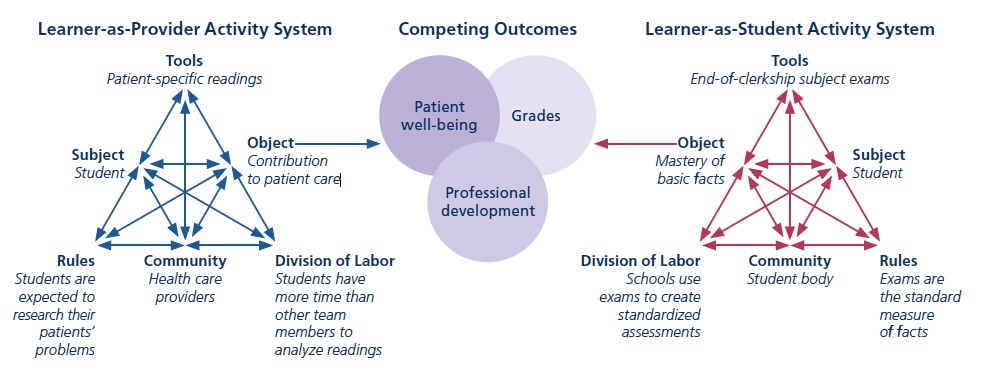
learner.jpegModel from Cultural Historical Activity Theory (see reference below). Super fond of it!

Centre for Health Education and Scholarship members recommended the articles below:

Interprofessional Education in Radiation Oncology Winter Ian P, Ingledew Paris Ann, Golden Daniel W. Journal Of The American College Of Radiology. 2019;16(7):964-971.

Build Insight, Change Thinking, Inform Action: Considerations for Increasing the Number of Indigenous Students in Canadian Physical Therapy Programmes Commentary Murphy S. Physiotherapy Canada. 2019;71(3):270-270

Cultural Historical Activity Theory: The Role of Tools and Tensions in Medical Education Larsen Douglas P, Nimmon Laura, Varpio Lara. Academic Medicine. 2019;94(8):1255-1255.

World Kindness Day Tomorrow!

Michiko-Maruyama-Spirit-of-The-Heart“There are so many ways to foster kindness to ourselves and to others. In the workplace, at school and at home, being compassionate leads to better outcomes. In medicine, the technology may be getting better but you can never replicate the kindness of a supportive caregiver. The connection between mental health and physical health is so critical.” ~ Dr. Kelli Harding

More on Why Being Kind Could Help You Live Longer via BBC.

Heads up that The Kindness Youth Patrol in BC will be spreading random acts of kindness tomorrow!

“Created in 2015 by Clinical Psychologists Dr. Carla Fry and Dr. Lisa Ferrari from Vancouver Psychology Centre and Clinically Happy, they believed the movement could jump-start the generation’s belief in the power of a kind word or gesture. ‘We started it to show kids that kindness has its own rewards and that there is real value in being nice to other people,’ says Dr. Carla Fry. ‘In our work we have found that a smile, a kind word, holding the door for someone, all those things go a long way in boosting the mood of the giver, the receiver, and the observer.’

More on This youth patrol spreads random acts of kindness across Metro Vancouver via VancouverIsAwesome.

#RandomActsOfKindness #KindnessRevolution

SOO Video Observation Reminder

Greetings Residents!

Just a reminder that Residents are required to record a video observation this Wednesday evening during our SOO prep. Please remember to bring your own devices.

During Academic Half Day, Residents will then have a series of options regarding reviewing the observations conducted. UBC’s Department of Family Practice provides an evaluation form that we recommend using to assist in the assessment process. Please contact Dr. Liu or Dr. Chow with any questions.

Warm regards,

Jacqueline