In honour of International Women’s Day and the 2022 theme #BreakTheBias, meet some of the outstanding women in the UBC Faculty of Medicine — staff, learners and faculty members — who are transforming health for everyone.
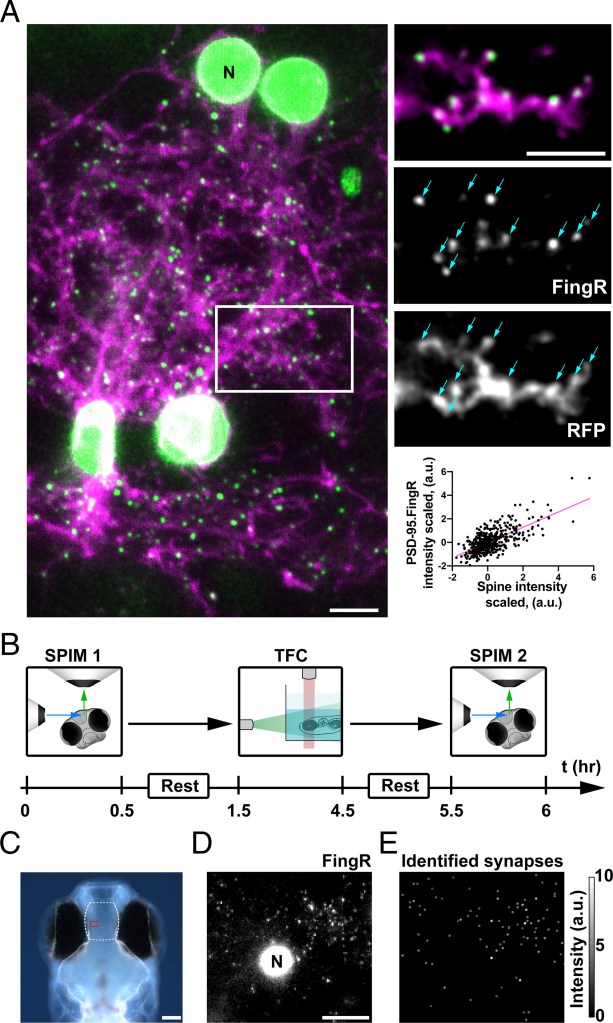
“Researchers have now directly observed what happens inside a brain learning that kind of emotionally charged response. In a new study published in January in the Proceedings of the National Academy of Sciences, a team at the University of Southern California was able to visualize memories forming in the brains of laboratory fish, imaging them under the microscope as they bloomed in beautiful fluorescent greens. From earlier work, they had expected the brain to encode the memory by slightly tweaking its neural architecture. Instead, the researchers were surprised to find a major overhaul in the connections.
What they saw reinforces the view that memory is a complex phenomenon involving a hodgepodge of encoding pathways. But it further suggests that the type of memory may be critical to how the brain chooses to encode it — a conclusion that may hint at why some kinds of deeply conditioned traumatic responses are so persistent, and so hard to unlearn.
‘It may be that what we’re looking at is the equivalent of a solid-state drive’ in the brain, said co-author Scott Fraser, a quantitative biologist at USC. While the brain records some types of memories in a volatile, easily erasable form, fear-ridden memories may be stored more robustly, which could help to explain why years later, some people can recall a memory as if reliving it, he said.”
More on Scientists Watch a Memory Form in a Living Brain via Quanta Magazine. Read the study here Regional synapse gain and loss accompany memory formation in larval zebrafish via PNAS.
Support by Olga Shtonda “I’m from Kharkiv, Ukraine’s second-biggest city, 40km from the Russian border. Two weeks before the war began, I went to Mexico to see a friend. Being away from those you love in such a terrible time is hard. There is constant bombing where my parents live. At first I felt hopeless. Sometimes I still feel guilty that they see horror while I see a peaceful sky. But I realised that I can give them my best support even from another continent. Knowing you are not alone helps a lot.” Instagram @olga.shtonda
“War has a catastrophic effect on the health and well being of nations. Studies have shown that conflict situations cause more mortality and disability than any major disease. War destroys communities and families and often disrupts the development of the social and economic fabric of nations. The effects of war include long-term physical and psychological harm to children and adults, as well as reduction in material and human capital. Death as a result of wars is simply the “tip of the iceberg”. Other consequences, besides death, are not well documented. They include endemic poverty, malnutrition, disability, economic/ social decline and psychosocial illness, to mention only a few. Only through a greater understanding of conflicts and the myriad of mental health problems that arise from them, coherent and effective strategies for dealing with such problems can be developed.”
More on Mental health consequences of war: a brief review of research findings via World Psychiatry.
“Uncertainty pervades the diagnostic process. In health care, taxonomies of uncertainty have been developed to describe aspects such as personal (eg, individual knowledge gaps), scientific (eg, limits of biomedical knowledge), and probabilistic (eg, imprecise estimates of risk or prognosis) dimensions of uncertainty.1
When clinicians encounter diagnostic uncertainty, they often find themselves in an unfamiliar situation, without a clear method to proceed confidently, comfortably, and safely. Being unable to explain to patients what causes their symptoms may be perceived as a failure for all involved. When clinicians and patients dwell in diagnostic uncertainty, it can trigger feelings of concern and anxiety, may lead patients to mistrust clinicians’ competence, and could contribute to clinician burnout (feeling exhausted, disconnected, and personally inadequate), especially for early-career clinicians.2,3
Excellent diagnosticians should understand how uncertainty manifests. They should acknowledge and embrace uncertainty, and openly discuss it with other clinicians and patients to normalize its ubiquitous and inevitable part in the diagnostic process.4 Such a reimagining, focused on the inevitable and beneficial aspects of diagnostic uncertainty, relies on identifying how uncertainty is understood, managed, and communicated.”
More on Understanding and Communicating Uncertainty in Achieving Diagnostic Excellence via JAMA.
On behalf of the University of British Columbia, I am deeply concerned about Russia’s attacks on Ukraine and its impact on many of our university community members. These attacks are unwarranted, unprovoked, and unacceptable.
We join Prime Minister Justin Trudeau and B.C. Premier John Horgan in deploring this illegal and unjust war, and echo the international community’s calls for de-escalation and an immediate resolution to the conflict.
We recognize that students, faculty, and staff may be affected by the conflict. I want to reassure you that we are doing all we can to provide required supports during this evolving situation.
International students in need of support are encouraged to contact International Student Advising at isa@students.ubc.ca or 604-822-5021. UBC Okanagan students can contact the advisors in the Global Engagement Office at geo.ubco@ubc.ca or 250-807-8585. Staff at Student Health Services are also available to help, as are multilingual counselors available 24/7 through the UBC Student Assistance Program.
Additional supports available for students are also outlined below:
Please know that the UBC community is here to support you. If you see friends who are struggling, encourage them to seek support. If you need support, please reach out to us.
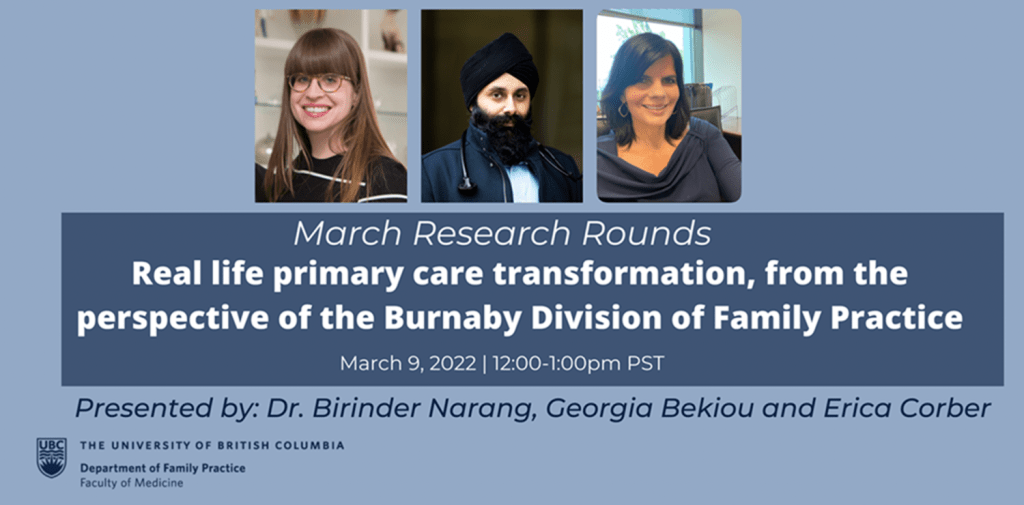
In this presentation on March 9, 2022 at noon PST, leadership of the Burnaby Division of Family Practice, Dr Birinder Narang, Georgia Bekiou and Erica Corber, will present the work of the Burnaby PCN over the past 3 years. Through this, the power of collaboration among family physicians, health authority & the community will be highlighted. There will be an honest discussion on success and struggles in the context of the current state of Primary Care in BC.
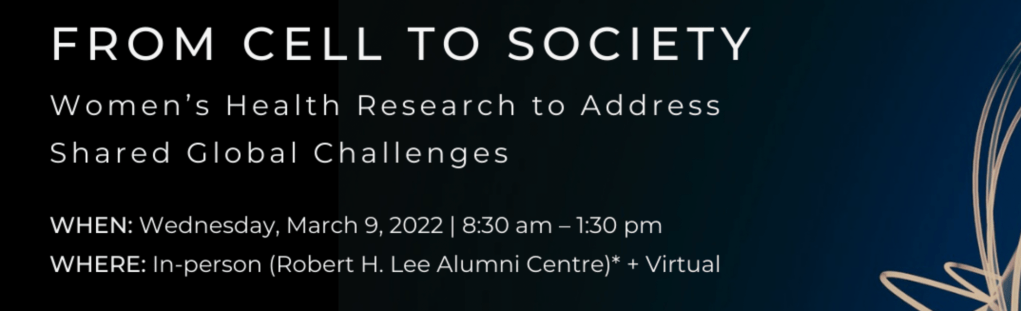
We would like to invite you to the upcoming Seventh Annual Women’s Health Research Symposium to be held in-person (at the Robert H. Lee Alumni Centre on the UBC campus) and virtually (via live-stream) on Wednesday, March 9, 2022.
The theme of this year’s event will centre on catalyzing women’s health research to address shared global health challenges with an emphasis on the scale, spread and impact of local research at the global level.
Please note that we will be hosting a mentorship and networking event for trainees engaged in women’s health research directly after the main symposium program.
We’re excited to announce that a date is set for our virtual Okanagan Orchards 2022!
Join our UBC Family Practice preceptors, faculty, residents, and administrators on the afternoon of Friday, May 27th from 1:00 to 4:30 p.m. for our faculty development and appreciation event.
We look forward to bringing our team together virtually for an interactive afternoon of intimate discussions, small workshops, and prizes.
This is open to all preceptors and faculty from across our plentiful province. Don’t be shy, join us. We’ll send further details, including an agenda and registration link, soon so keep your apples peeled. Feel free to share this event with colleagues at your site.
Please let me know if you have any questions. We look forward to seeing you in May!
Larissa McLean, BA, MHA Manager, Rural Education & Initiatives Faculty of Medicine | Department of Family Practice, Postgraduate Program The University of British Columbia larissa.mclean@ubc.ca http://postgrad.familymed.ubc.ca
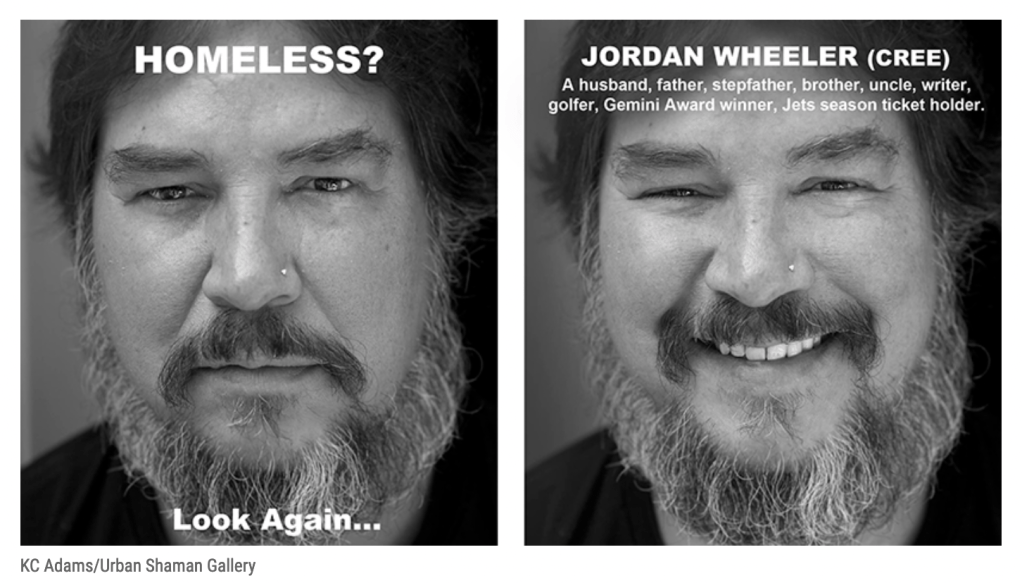
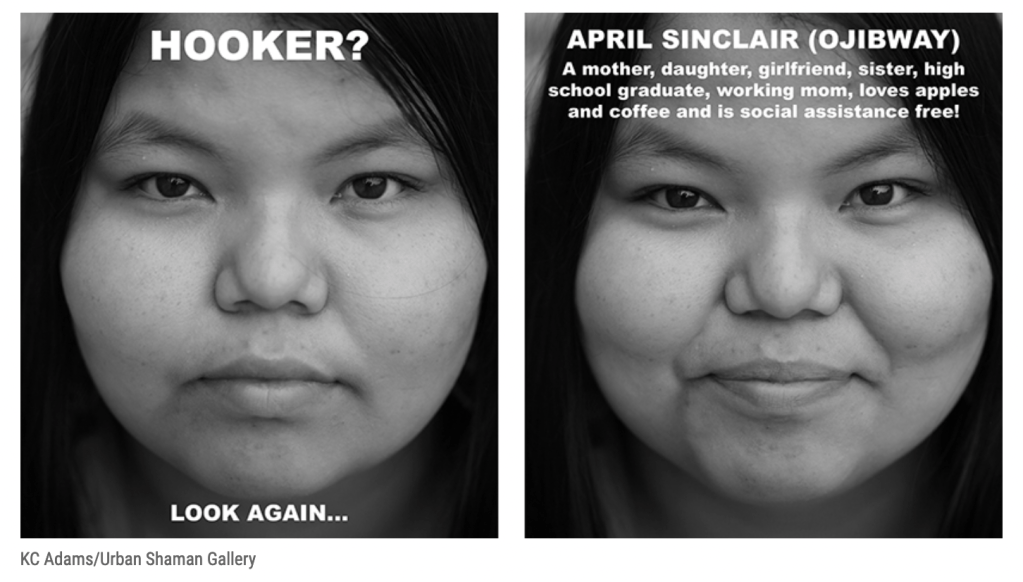
“’Nobody talks about the written communication that goes on in the health system,’ says Dr. Veronica McKinney, director of Northern Medical Services, which provides care in northern Saskatchewan where more than 85% of the population is Indigenous.
‘Examining why we are writing or using the terms that we do – that makes physicians feel uncomfortable,’ says McKinney, who has Cree and Métis ancestry. Yet, ‘it’s particularly important in health care because we like to think of ourselves as scientists – as very objective and not having biases – but in reality, we’re human and we all do.’
Last fall, the American Medical Association released a guide on equity-focused language as a ‘starting point for reflection.’ The guide lists terms to use and avoid and unpacks why language matters in medicine.
‘Words reflect and shape our thinking,’ as well as the narratives that people take for granted about race, power, health, and medicine, the authors explain. Unexamined narratives that uphold the status quo limit the questions clinicians ask, the solutions they develop and how they describe problems.”
Learn more on How doctors describe patients matters – even in their notes via CMAJ.
Read more on Winnipeg’s new art project stares down racism in the face: How a bold art project projected on Winnipeg’s downtown buildings will challenge perceptions of its Aboriginal citizens via Maclean’s.





 Family Medicine Residency Site: Abbotsford-Mission