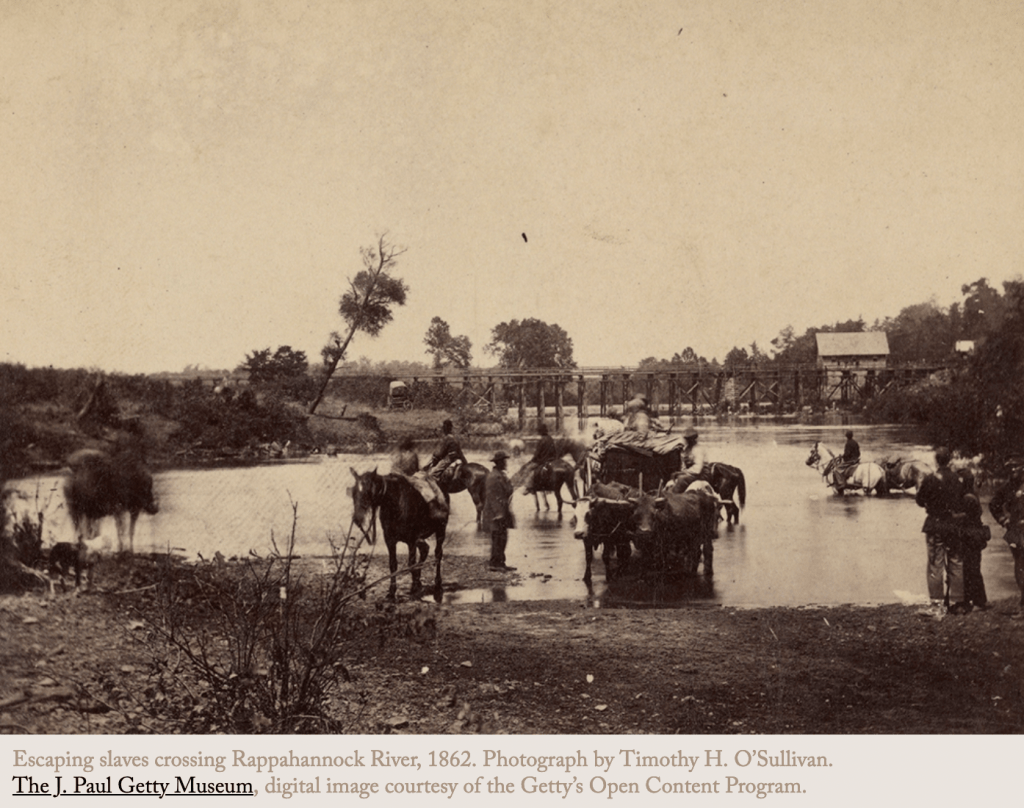
Doctors Without Borders

“But perhaps above all, it was Black intellectuals who made Europe their pilgrimage. Du Bois went to Germany in 1892 after finishing his degree at Harvard College not because of his race but because of the intellectual opportunity. ‘Any American scholar who wanted preferment,’ he said, ‘went to Germany for study.’ Langston Hughes’ father urged him to go to Switzerland for college and learn French, German, and Italian all at once. (Hughes went to Harlem instead, though later he would try his hand at filmmaking in Russia.) Black newspapers reported how French universities were ‘open for business’; in 1955 James Baldwin estimated five hundred Black Americans were walking the streets of Paris ‘studying everything from the Sorbonne’s standard Cours de Civilisation Française to abnormal psychology, brain surgery, music, fine arts, and literature.’

Another ‘problem group’ for medical schools, Jewish students, had long looked to Europe for an education. (The dean of the Yale School of Medicine in the 1920s instructed his admission committee, ‘Never admit more than five Jews, take only two Italian Catholics, and take no blacks at all.’) Officials from medical schools in Michigan and Alabama complained that if they admitted all the qualified Jewish students, the school would be so full of ‘undesirables’ that there would be no room for local students. In 1932 almost two thousand American Jewish students were studying medicine in Europe, mostly in the UK, Italy, Germany, and Switzerland.

Black Americans followed, particularly after World War II. (Others had traveled the path long before. James McCune Smith, the first African American to earn a medical degree, had done so in Scotland in 1837. Black women, too, made the trip; Sarah Parker Remond, born in 1826, studied obstetrics in Florence and practiced in Italy for over twenty years.) It was a win-win situation for the students and the countries that accepted them. A 1932 Philadelphia Tribune article titled ‘French Universities Would Welcome U.S. Negro Students’ quoted an official French report on the rising number of American students in the country: ‘They return to their country and are excellent missionaries for our ideas, our books, our surgical instruments, our pharmaceutical products and health centers.'”

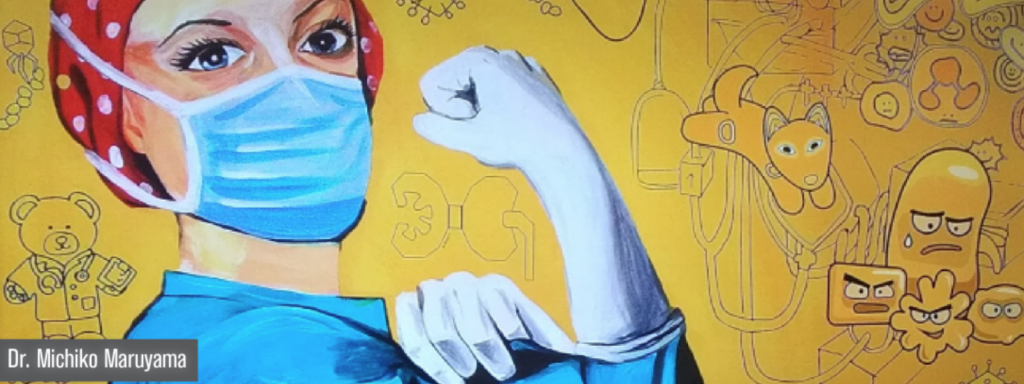
Doctors Without Borders: On the Black doctors who received their medical degrees and a new sort of freedom in Europe via Lapham’s Quarterly.
Prenatal COVID Exposure & Neurodevelopmental Issues

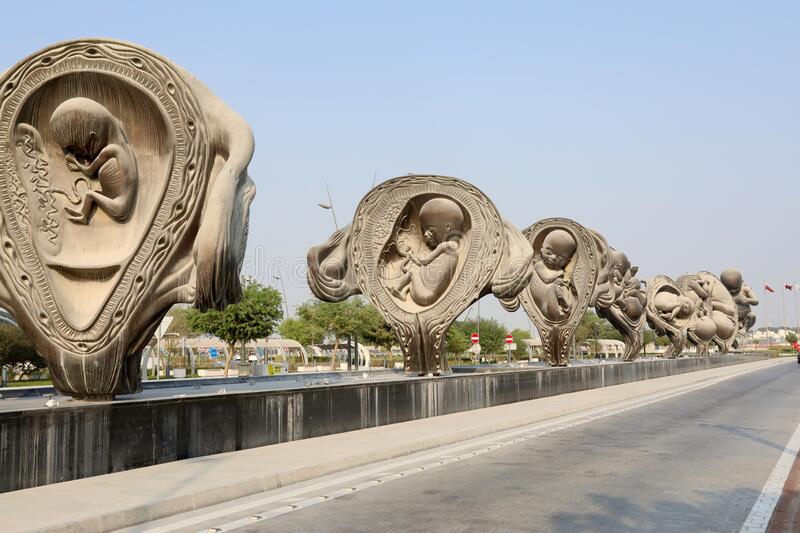
The Miraculous Journey, an installation by Damien Hirst outside the Sidra Medical & Research Centre in Doha, Qatar.

“Infants born to those who tested positive for COVID-19 during pregnancy may have neurodevelopmental issues after birth, according to new preliminary findings from two separate studies out of the U.S. and Spain.

The peer-reviewed U.S. study, published in the journal JAMA Network Open on June 9, looked at 7,772 infants delivered during the pandemic between March and September 2020 at six hospitals in Massachusetts, 222 of whom had prenatal exposure to SARS-CoV-2. Results showed that the latter group of infants were more likely to receive a neurodevelopmental diagnosis in the first year after birth.

Separately, a small Spanish study compared 21 cases where the parent tested positive during pregnancy and 21 babies who had no exposure during pregnancy at the Marqués de Valdecilla University Hospital in Santander, Spain. Analysis showed that infants who were exposed in utero demonstrated more motor skill difficulties six weeks after birth, findings that were presented at the 30th European Congress of Psychiatry in early June.”

More on Prenatal COVID exposure affects babies’ motor skills, speech, studies find via CTV News.

Scholar Day 2022: Procedural Skills

Procedural skills are a fundamental part of family medicine; however, there is no formal curriculum for teaching these skills during residency. Our objective was to assess whether new graduates from the University of British Columbia (UBC) Family Medicine program feel that they are proficient in all core procedures identified by the College of Family Physicians of Canada (CFPC) and to explore their learning experiences with the described procedures.

Learn more here.

#ScholarDay #UBC

Virtual Introductory Summer Course in Ophthalmology (VISCO)

Residents interested in learning more about ophthalmology should check out the Virtual Introductory Summer Course in Ophthalmology (VISCO), which is a free virtual course on Sunday afternoons this summer that aims to provide increased accessibility to high quality ophthalmology teaching. The first session on Sunday June 19, 2022 3-5pm ET is case-based and focuses on common emergency presentations which your residents may encounter in clinical practice. 

The course is composed of two parts:

  1. Six weekly workshops presented by ophthalmology faculty and residents across Canada, and
  2. A high-yield structured reading guide using curated resources that is meant to provide background knowledge to supplement the workshops.

During the course, you will have opportunities to win prizes and learn ophthalmology from incredible teachers.

The content and objectives of this course are based on a curated list of learning objectives endorsed by Canadian Undergraduate Medical Education Leads in Ophthalmology and reference resources from the Association of University Professors in Ophthalmology (AUPO) and the Medical Council of Canada (MCC).  

These sessions are also eligible for Royal College Section 2 CME credits. 

More information and links to register can be found here.

Safety & Antitumor Activity of Dostarlimab

Background: Dostarlimab is a humanized monoclonal antibody that binds with high affinity to PD-1, resulting in inhibition of binding to PD-L1 and PD-L2. We report interim data from patients with endometrial cancer (EC) participating in a phase I trial of single-agent dostarlimab.

Methods: GARNET, an ongoing, single-arm, open-label, phase I trial of intravenous dostarlimab in advanced solid tumors, is being undertaken at 123 sites. Two cohorts of patients with EC were recruited: those with dMMR/MSI-H disease (cohort A1) and those with proficient/stable (MMRp/MSS) disease (cohort A2). Patients received dostarlimab 500 mg every 3 weeks for 4 cycles, then dostarlimab 1000 mg every 6 weeks until disease progression. The primary endpoints were objective response rate (ORR) and duration of response (DOR) per RECIST V.1.1, as assessed by blinded independent central review.

Results: Screening began on April 10, 2017, and 129 and 161 patients with advanced EC were enrolled in cohorts A1 and A2, respectively. The median follow-up duration was 16.3 months (IQR 9.5–22.1) for cohort A1 and 11.5 months (IQR 11.0–25.1) for cohort A2. In cohort A1, ORR was 43.5% (95% CI 34.0% to 53.4%) with 11 complete responses and 36 partial responses. In cohort A2, ORR was 14.1% (95% CI 9.1% to 20.6%) with three complete responses and 19 partial responses. Median DOR was not reached in either cohort. In the combined cohorts, the majority of treatment-related adverse events (TRAEs) were grade 1–2 (75.5%), most commonly fatigue (17.6%), diarrhea (13.8%), and nausea (13.8%). Grade≥3 TRAEs occurred in 16.6% of patients, and 5.5% discontinued dostarlimab because of TRAEs. No deaths were attributable to dostarlimab.

Conclusion: Dostarlimab demonstrated durable antitumor activity in both dMMR/MSI-H (ORR 43.5%) and MMRp/MSS EC (ORR 14.1%) with a manageable safety profile.

More on Safety and antitumor activity of dostarlimab in patients with advanced or recurrent DNA mismatch repair deficient/microsatellite instability-high (dMMR/MSI-H) or proficient/stable (MMRp/MSS) endometrial cancer: interim results from GARNET—a phase I, single-arm study via Journal for ImmunoTherapy of Cancer.

Analgesic Effects of Interferential Current Therapy: A Narrative Review

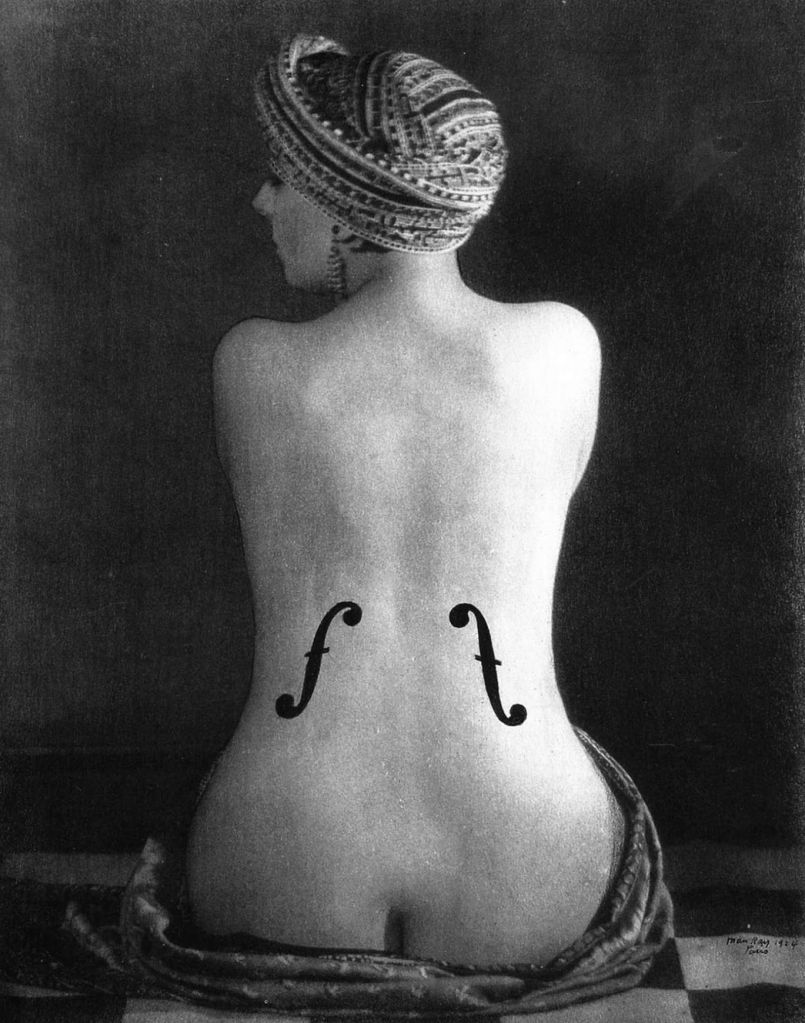
Le Violon d’Ingres, 1924, Man Ray

“Background and Objectives: Transcutaneous electrical stimulation of low- and medium-frequency currents is commonly used in pain management. Interferential current (IFC) therapy, a medium frequency alternating current therapy that reportedly reduces skin impedance, can reach deeper tissues.

IFC therapy can provide several different treatment possibilities by adjusting its parameters (carrier frequency, amplitudemodulated frequency, sweep frequency, sweep mode or swing pattern, type of application (bipolar or quadripolar), time of application and intensity). The objective of this review article is to discuss the literature findings on the analgesic efficacy of IFC therapy.

Conclusions: According to the literature, IFC therapy shows significant analgesic effects in patients with neck pain, low back pain, knee osteoarthritis and post-operative knee pain. Most of the IFC parameters seem not to influence its analgesic effects. We encourage further studies to investigate the mechanism of action of IFC therapy.”

More on Analgesic Effects of Interferential Current Therapy: A Narrative Review via Medicina (Kaunas). 2022 Jan; 58(1): 141.

International Conference on Residency Education (ICRE): Art Submission

The Body Electric was launched at ICRE 2014. An inspiring selection of visual art, in a range of media – photography, drawing, painting, sculpture and film – explored the conference theme of medical technology from new critical and artistic angles.

This year, The Body Electric jury is looking for visual art submissions on the theme Art as Coping, Art as Community in Healthcare, to reflect the ICRE 2022 theme, Together Again: A Community Redefining Residency Education.

You are invited to approach the theme broadly to consider these themes from various experiential and critical perspectives, such as:

  • Art as coping
  • Art and community
  • Art and compassion

Visual art can be submitted in any medium; but will be represented digitally.

ARTISTS WHOSE WORK IS INCLUDED IN THE BODY ELECTRIC WILL RECEIVE $100.00 FOR EXHIBITING THEIR WORK

Learn more here.

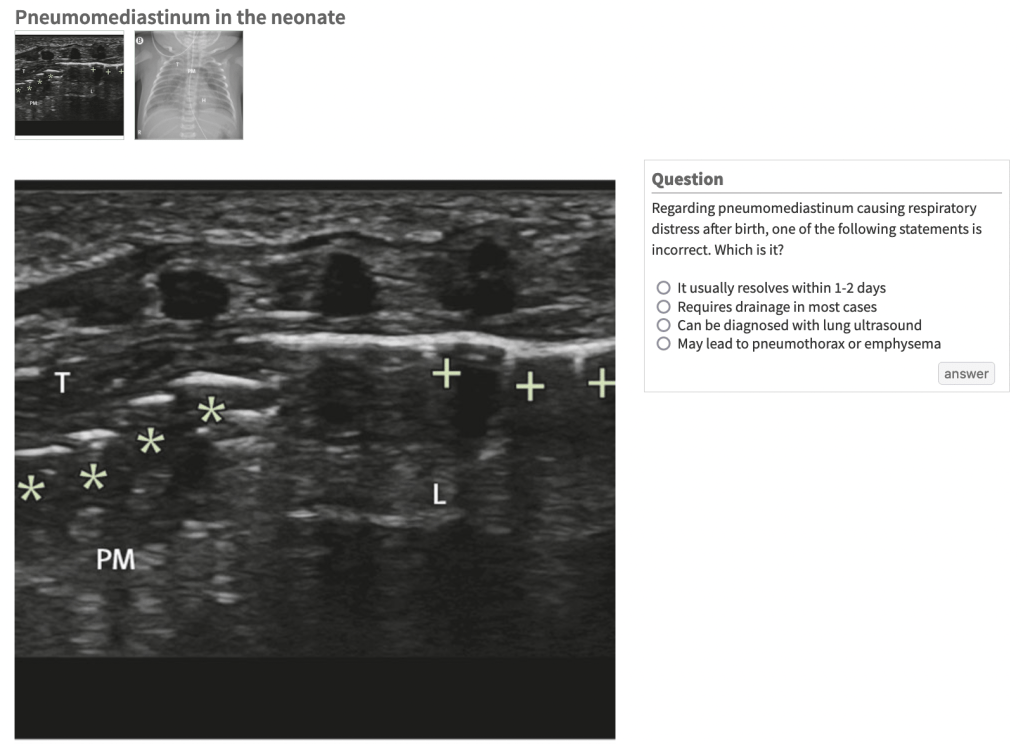
Rural POCUS Rounds

Registration is now open for the newest Rural POCUS Rounds webinar series: Ultrasound for Shock. Over the next six months, we invite you to join us as we discuss five topics specific to the application of ultrasound for shock. Each session will include a presentation on the topic, relevant case studies and a Q&A session.

Rural Point-of-Care Ultrasound (POCUS) Rounds: Ultrasound for Shock

Jun–Nov 2022 (Fridays) | 1200–1300 PT
Audience: health-care providers working in and supporting rural communities.
Overview: Rural POCUS Rounds is a monthly, interactive Zoom series aimed at providing rural health-care providers with up-to-date and relevant POCUS education. Join us on the last Friday of every month!
Up to 1.0 Mainpro+/MOC Section 1 credits per session
Free — thanks to funding from the JSC

Intro to POCUS for Shock

Jun 24  | Dr. Tracy Morton
LEARN MORE & REGISTER

Heart & Pulmonary Ultrasound

Aug 26  | Dr. Tracy Morton
LEARN MORE & REGISTER

Fast Pipes (IVC & Aorta) Ultrasound

Sep 30  | Dr. Kevin Fairbairn
LEARN MORE & REGISTER

POCUS for Vascular Access

Oct 28  | Dr. Kevin Fairbairn
LEARN MORE & REGISTER

POCUS for DVT / PE

Nov 25  | Dr. Tracy Morton
LEARN MORE & REGISTER

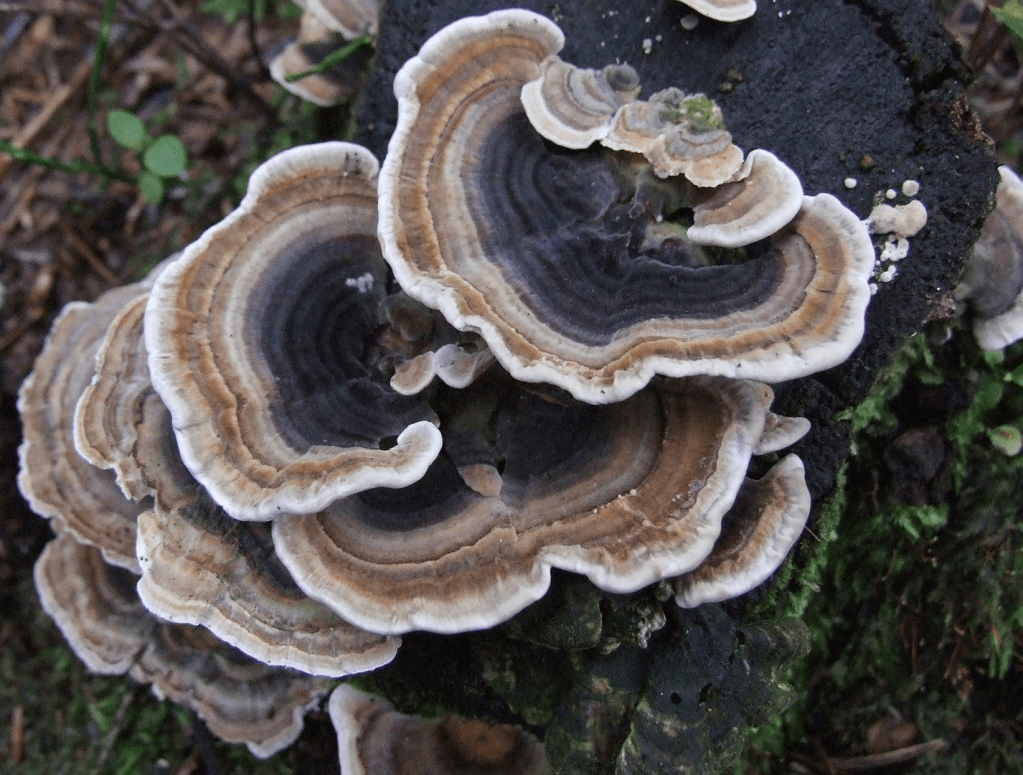
Turkey Mushroom & Breast Cancer

Trametes versicolor image by
Jerzy Opioła.

“‘PS,’ an 83-year-old woman, was diagnosed in June 2009 with advanced, metastatic inflammatory breast cancer. At the same time, she began chemo-therapy with Taxol and Herceptin, she also began taking capsules of turkey tail mushroom daily. The dose was 4 g twice daily (Host Defense Turkey Tail capsules, Fungi Perfecti Laboratories, Kamilche Point, Washington). The turkey tail capsules consist of activated, freeze-dried, organic mushroom mycelium, containing polysaccharides (beta-glucans, arabinoxylane, glucose, xylose, galactose, mannose, glycoproteins, ergosterols, triterpenoids, and other myconutrients). In December 2009, when the patient’s chemotherapy regimen was completed and she began Herceptin maintenance therapy every 3 weeks, she continued to take 4 g daily of turkey tail mushrooms and added a combination mushroom formula (Host Defense MyCommunity capsules, Fungi Perfecti, Laboratories). This preparation consisted of 17 species of activated, freeze-dried, organic mushroom mycelium, containing polysaccharides (beta-glucans, arabinoxylane, glucose, xylose, galactose, cordycepic acid, glycoproteins, ergosterols, triterpenoids, and other myconutrients).

Turkey tail mushrooms grow in a woodland environment worldwide and have been reported to stimulate immune function in women with breast cancer. They are called bracket fungi because they form thin structures in concentric circles and grow almost everywhere trees are found. This species of mushrooms has a history of use in Asia as a nonspecific immune modulator, and in breast cancer patients, they have been shown to interact with the CR3 membrane receptors for beta-glucans.1 Immune modulation is believed to be the primary mechanism of action of turkey tail mushrooms.2 The University of Minnesota and Bastyr University (Kenmore, Washington) recently completed a phase 1 dose-escalation trial and found that up to 9 g/day of a T versicolor preparation is safe and tolerable in women with breast cancer who had undergone chemotherapy.3 Perhaps the most intriguing part of this study was the finding that 6 g of T versicolor appeared to lead to faster immune recovery after radiotherapy. This should be studied in additional clinical trials on the potential primary and secondary effects of mushroom therapy in patients with cancer and, more specifically, cancers with altered CR3 membrane receptors.”

Learn more on Trametes versicolor (Turkey Tail Mushrooms) and the Treatment of Breast Cancer via Glob Adv Health Med.