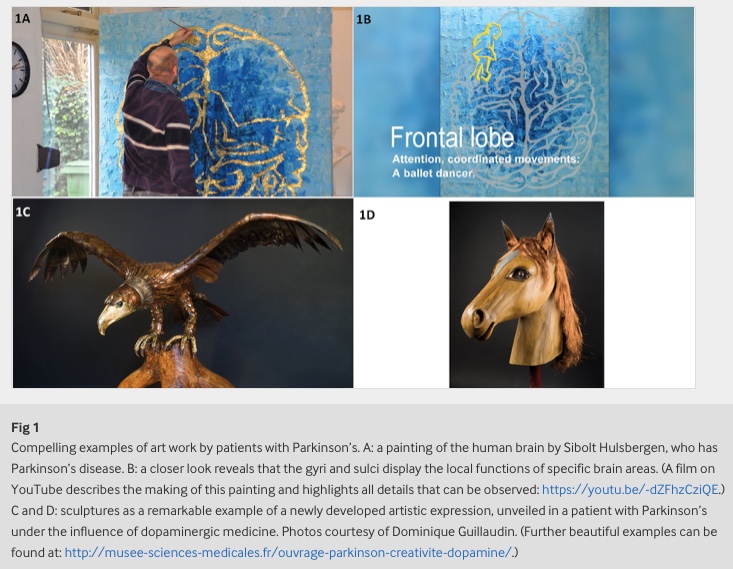
“The recognition that art can serve as treatment for patients is growing. Dance and music can help patients with Parkinson’s to overcome their characteristic loss of automated movements. We’ve seen compelling examples of patients using artistic expression—paintings, drawings, books, poetry, music—to provide positive connotations to their disease (fig 1). These include the creativity unleashed by dopaminergic medicine which, if not excessive, can improve the patient’s wellbeing, allowing physicians to exploit this as part of their therapeutic repertoire.”
Kwéleches, hello and welcome! A big thank you to our Elder Roberta Price for joining us today. Through her narrative, we learned of her resilience, empathy, and healing. We learned that our journey is what binds us and that through our exchange of stories we traverse similar paths and new terrain. She gifted us with her insight and experience and asked that we lead with compassion.
We would like to express our sincere gratitude to Elder Roberta, our Preceptors, our Residents, and all that touch our program for dedicating the time and resources to teach and guide us through the stormy seas and clear skies.
We send our warmest wishes to you and yours this holiday!
Catch you in 2019!
The Abbotsford-Mission Family Practice Residency Program
“When a population becomes distracted by trivia, when cultural life is redefined as a perpetual round of entertainments, when serious public conversation becomes a form of baby-talk, when, in short, a people become an audience, and their public business a vaudeville act, then a nation finds itself at risk; culture-death is a clear possibility.”
― From Neil Postman’s prophetic book Amusing Ourselves to Death: Public Discourse in the Age of Show Business
Nominations are now open for the 2019 UBC Medical Alumni Association Awards. The UBC MAA needs you to nominate a deserving individual(s) for a Wallace Wilson Leadership or Honorary Medical Alumni Award! This is a fantastic opportunity to recognize your colleagues in the medical community.
Nominations can come from any MD alumnus of the UBC medical program and cannot be awarded posthumously. Deadline for 2019 nominations is Friday, January 11, 2019.
“The fact that the number one predictor of whether we agree that climate is changing, humans are responsible and the impacts are increasingly serious and even dangerous, has nothing to do with how much we know about science or even how smart we are but simply where we fall on the political spectrum.” ~ Dr. Katharine Hayhoe (TEDWomen Dec 2018)
After reading the reports, I began to question how information on climate change is disseminated to the public and if medical education programs and physicians have a role and responsibility to address climate change. If so, what is the role and how is it best exercised in this political firestorm? What are the responsibilities that our family physicians have to be informed on the topic and to educate patients as to the effects of climate change on their health and the crucial services they need?
The four actions they found to have the biggest impact were:
Having one fewer child (which could reduce emissions by 58.7 tonnes of carbon per year, due to the absence of emissions that an extra person would generate over a lifetime).
Living car-free (reducing emissions by 2.4 tonnes per year).
Avoiding air travel (reducing emissions by 1.6 tonnes per transatlantic flight).
Eating a plant-based diet (reducing emissions by 0.8 tonnes per year compared to a diet that includes meat).
“Dr. Kendall Ho, professor in UBC’s department of emergency medicine, and his colleagues in the digital emergency medicine unit have developed a classroom-based program to teach students between the ages of 9-14 how to safely navigate and assess health information on the internet. The program, called Learning for Life, aims to encourage kids’ healthy pursuits and reduce their risk of developing chronic diseases such as Type 2 diabetes.” Read more on this launch here.
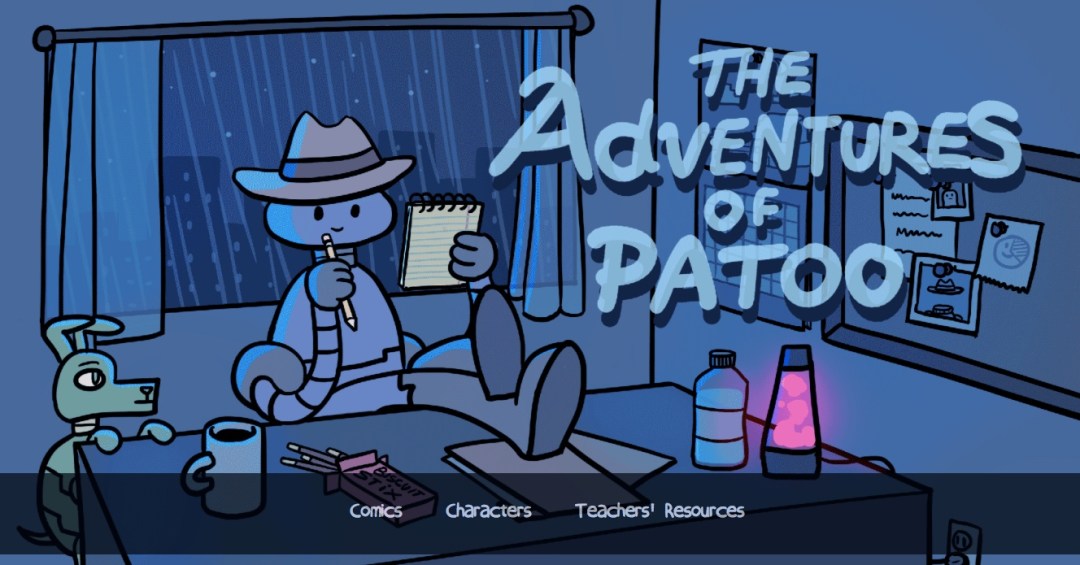
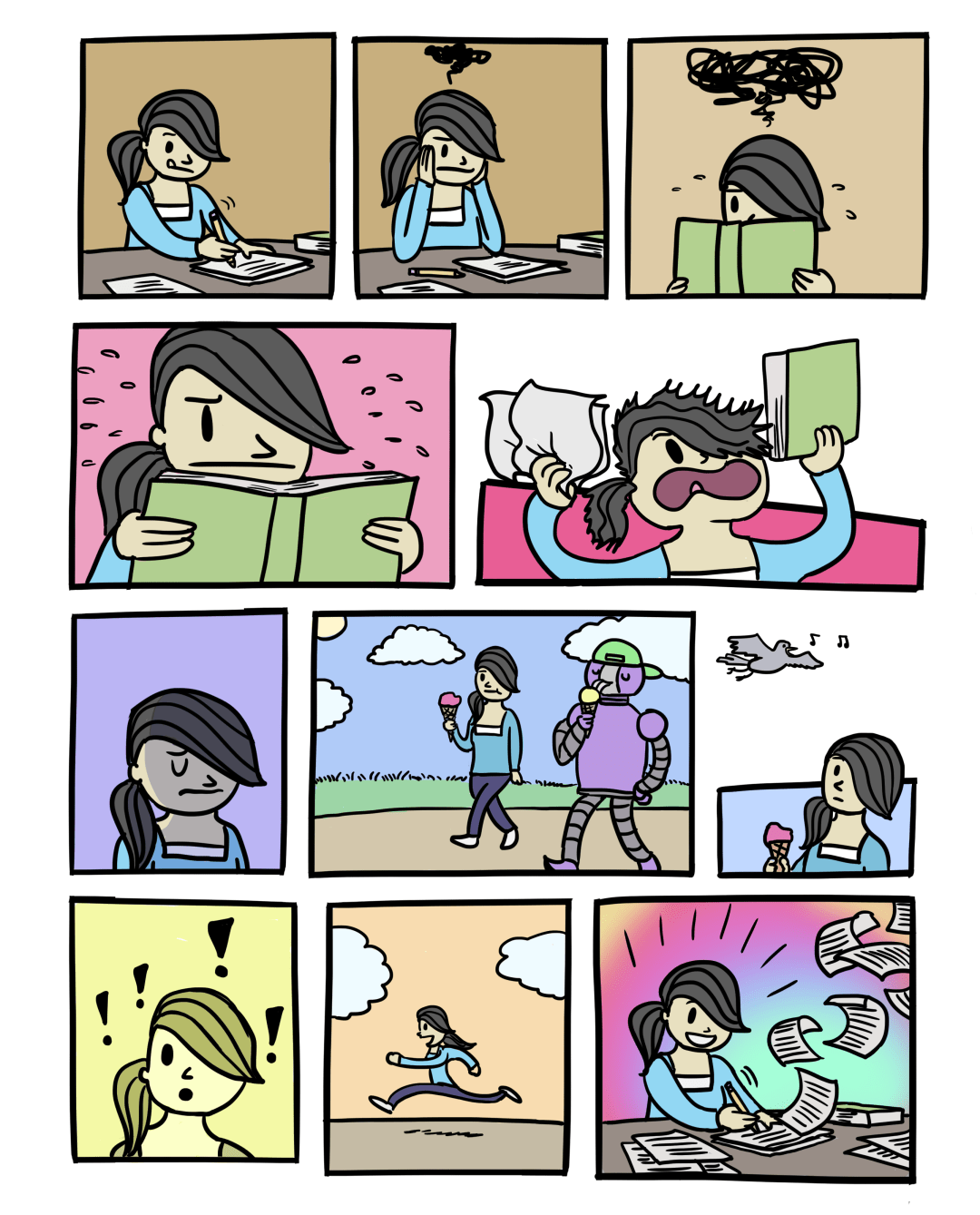
In addition, Dr. Ho and his team designed a series of teachers’ resources including their Learning for Life Toolkit, instructional samples, student workbook, and comics. The instructional samples encourage students’ creativity by motivating them to think about ways to solve issues and to develop health and wellness strategies. The comics are fantastic and great conversation starters on topics such as sleep hygiene, digital health, and mental health as featured below:
I see several uses for this material that travel beyond the classroom. If we consider the potential that the patient lounge area and exam room have to teach, then the toolkit and educator resources may be wonderful additions to a physician’s toolbox. Just starting a conversation on a topic can be tough and using these visuals may be one avenue to opening up the dialogue with a young patient. One final thought is swapping the anatomy posters found on the walls of many exam rooms with illustrations that convey a story with meaning, ideas, and solutions.
A big thank you to Dr. Ho and his team for addressing the need to build children’s digital health literacy skills and for designing such a creative platform! More projects from the Digital Emergency Medicine crew here.
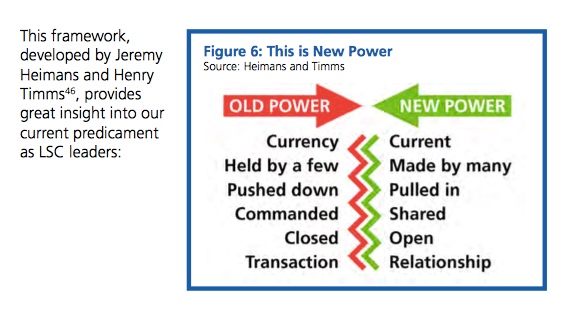
“As leaders of health and care, we are steering change in a world where the power of hierarchy is diminishing faster and becoming more disruptive… In the dominant approach, power to create change largely comes through positional authority. In the new world, power comes from connection and ability to influence through networks.” ~ Bevan and Fairman
In 2018, NHS England released “Leading Large Scale Change: A Practical Guide” addressing complex health and social care environments. The document provides a detailed account of the process NHS developed as well as their frameworks, methods, and tools used to facilitate and sustain transformation. The focus is on building networks and communities needed to support change and how to mobilize informal power. From creating a climate where everyone can contribute to managing complex dilemmas, the guide deconstructs the concept of change in a very accessible way and suggests action items and resources for readers and leaders to try giving it a go!
For those of you that want to brush up on ophthalmology prior to your rotation, UBC’s Medicine – Education Media created a series of videos to support your learning. They include:
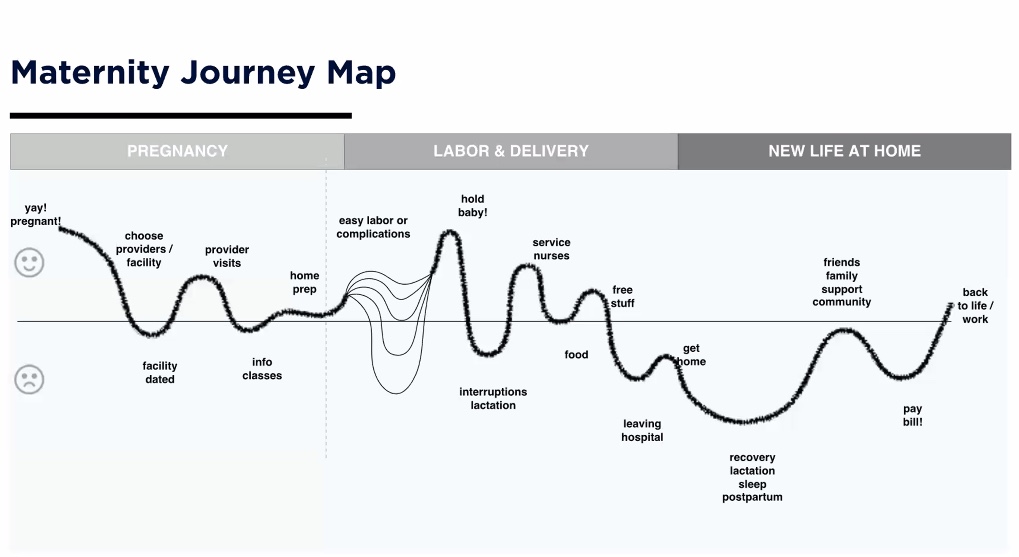
IDEO on How to Reimagine the Healthcare Experience. Journey Mapping.
Greetings!
Hope you are well! We’ve had the opportunity in our Academic Half Day to discuss journey mapping. It was brought up again in IDEO’s session yesterday on “How to Reimagine the Healthcare Experience” (see image above). One of the useful aspects of patient journey mapping is that it helps practitioners/learners as well as the patient/caregivers understand where their roles are positioned and potentially most influential in the patient experience. If you’re interested in learning more on this method, TUDelft facilitates a tuition-free EdX course on “Design in Healthcare: Using Patient Journey Mapping.”
In the comment feed of the session, Cianelli’s et al. (2016) paper “An Innovation Road Map: A Guide for Nurse Leaders” was cited. I highly recommend giving it a read as many of the issues discussed are relevant to all healthcare educators and learners.
Other items of interest that flew across my desk:
Moksha Rao, a MFA graduate student at Savannah College of Art & Design (Atlanta) just released her thesis presentation on “Re-imaging Healthcare Through a Smile” and she’s asked for feedback. Let’s help her out! View her presentation here. Congratulations Moksha!
Dr. John Pawlovich is working with Carrier Sekani Family Services to improve the delivery of care for rural and remote Indigenous communities.
“I try to have students appreciate that delivering culturally-appropriate care means learning from the people and these communities. They are your mentors. If you really want to be a healer, and not just a service provider, then you need to build strong relationships.” ~ Dr. John Pawlovich
Our Dr. John Pawlovich is featured in the recent UBC Faculty of Medicine Pathways issue Beyond the Boundaries! Over the years, Abbotsford-Mission Residents have been incredibly fortunate to accompany Dr. Pawlovich on his journeys to British Columbia’s remote and rural regions. When our Residents return from their rotation, they express to me how they’ve acquired new ways of learning and understanding the practice of medicine in small communities. One of the great challenges they describe is that this new context requires planning ahead and coordinating their limited resources with greater efficiency and efficacy. They often highlight the need to develop trust in one another and to work together as team with their fellow healthcare practitioners. Residents explain that this is a key point in their development as they exercise their independence and autonomy as well as discover their latent skills and attributes that emerge in these new unique landscapes. The toolbox was larger than initially thought!
We always appreciate a visit from Dr. Pawlovich during our Academic Half Day. He shares his experience on establishing meaningful relationships and delivering care in these communities. We thank him for his commitment to the program and to the development of our future family physicians. Read more on going above and beyond here!

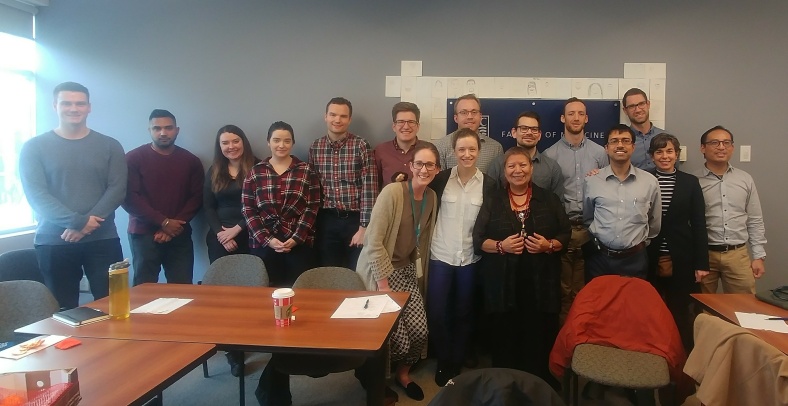 Kwéleches, hello and welcome! A big thank you to our Elder Roberta Price for joining us today. Through her narrative, we learned of her resilience, empathy, and healing. We learned that our journey is what binds us and that through our exchange of stories we traverse similar paths and new terrain. She gifted us with her insight and experience and asked that we lead with compassion.