Pediatric Atopic Dermatitis Online Education

The UBC Pediatric Atopic Dermatitis CPD online module is for all health care providers that care for children and wish to learn more about how to better recognize, treat, and manage atopic dermatitis in a primary care setting.

Designed in partnership by UBC CPD, Child Health BC, and BC Children’s Hospital.

This course is divided into four lessons:

  • Diagnosis and Clinical Features of Atopic Dermatitis in Children
  • Differential Diagnosis of Atopic Dermatitis in Children
  • Management of Atopic Dermatitis
  • Caregiver Education of Atopic Dermatitis

Access the e-learning course here.
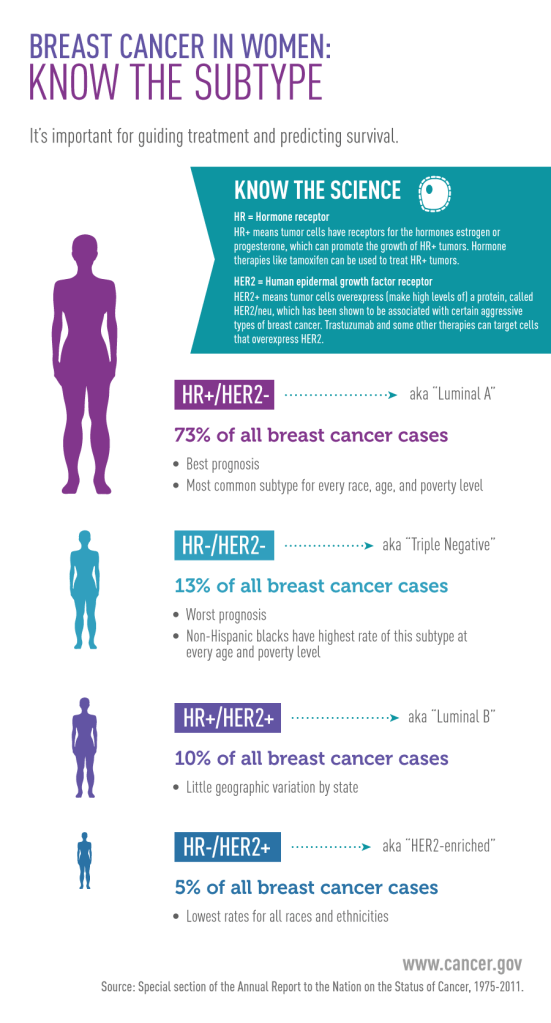
Breast Cancer Awareness Month

October is Breast Cancer Awareness Month
UBC CPD provides an online learning module “BC Cancer Primary Care Learning Sessions: Breast Cancer.” This online module is for primary care providers practicing in British Columbia who are interested in learning more about breast cancer care, and their role in supporting patients through their journey. This module explores best practices in screening, diagnosis, treatment, survivorship, surveillance, and late effects.
Click here to register.

Women’s Brain Health

Women’s Health Research Cluster (WHRC) hosts a virtual conference series on Women’s Brain Health 

From September 2020 – June 2021 the WHRC will bring you monthly events featuring world renowned speakers to discuss and share information about a variety of brain health issues that women face. Come connect with like-minded peers at one of our workshops, symposia, networking sessions or trainee/mentor events.

You can register for the full series, or pick and choose which event you want to go to. Full series registration grants you access to all post-event recordings. Click here to learn more. 

LGBTQ+ Workshop

To create more awareness and better prepare early-career physicians to care for LGBTQ+ patients, a team from the University of Toronto have developed a new LGBTQ+ health workshop for resident physicians. 

Drs. Tehmina AhmadMichael Scott and Jacqueline James, a professor with the Department of Medicine, alongside Wilson Center Researcher Miranda Schreiber, developed this workshop as a way of calling attention to the unique needs and health disparities faced by LGBTQ+ people.  

The workshop supports the following objectives: 

  • Recognize the intersecting historical and present-day barriers that exist for 2SLGBTQ+ persons affecting health promotion and healthcare access and how to apply this understanding to patient care
  • Recognize 2SLGBTQ+ people are at increased risk for multiple adverse health outcomes and are at heightened risk for COVID-19 infection as well as being harmed by the negative consequences of social distancing 
  • Apply practical tips on how to provide safe and respectful care for the diverse needs of 2SLGBTQ+ patients, especially those who are Black and Indigenous
  • Learn about community and other resources to support and improve care

If you are interested to learn more, please contact Miranda Schreiber at miranda.schreiber@mail.utoronto.ca or visit here.

CAME Webinar: Bias and the Educator

The Office of Faculty Development and the Centre for Health Education Scholarship are pleased to co-facilitate the CAME Webinar Series at UBC. Designed to bring practical, evidence and experience-based advice to Canadian health educators, the webinars offer the opportunity to engage online with an expert and with colleagues in a live discussion on a key topic in health professions education.

*Please note that while these sessions are free to attend, registration is required. See registration link below.

Bias and the Educator: Exploring Implicit, Explicit, and Structural Bias in Medical Education

Presenter: Dr. Javeed Sukhera, Western University
Date: Tuesday, October 20, 2020
Time: 9:00 to 10:00 am

Register here.

Child Abuse & Neglect: In the COVID-19 Era

“Children are widely recognized as a vulnerable population during disasters and emergencies. In BC there are growing concerns that children may be at higher risk of abuse and neglect as a consequence of the current COVID-19 pandemic and the public health measures to limit its spread. Increased family and financial stress, disrupted routines, and lack of access to community supports can all contribute to child maltreatment. At the same time, physical distancing has restricted contact between children and the protective adults, such as teachers, who most commonly report cases of suspected child maltreatment. Despite the pandemic, physicians continue to interact with children and families and are uniquely situated to identify cases of suspected child maltreatment. All physicians have a role to play in ensuring the safety and protection of children. Specific approaches to clinical practice in the pandemic era and resources adapted for the pandemic can help physicians assess risk of child maltreatment, support children and families, and recognize and respond to child abuse and neglect.”

Learn more on Child Abuse and Neglect in the COVID-19 Era: A Primer for Front-Line Physicians in British Columbia by Kristopher T. Kang, MD & Nita Jain, MD, FRCPC via BCMJ.

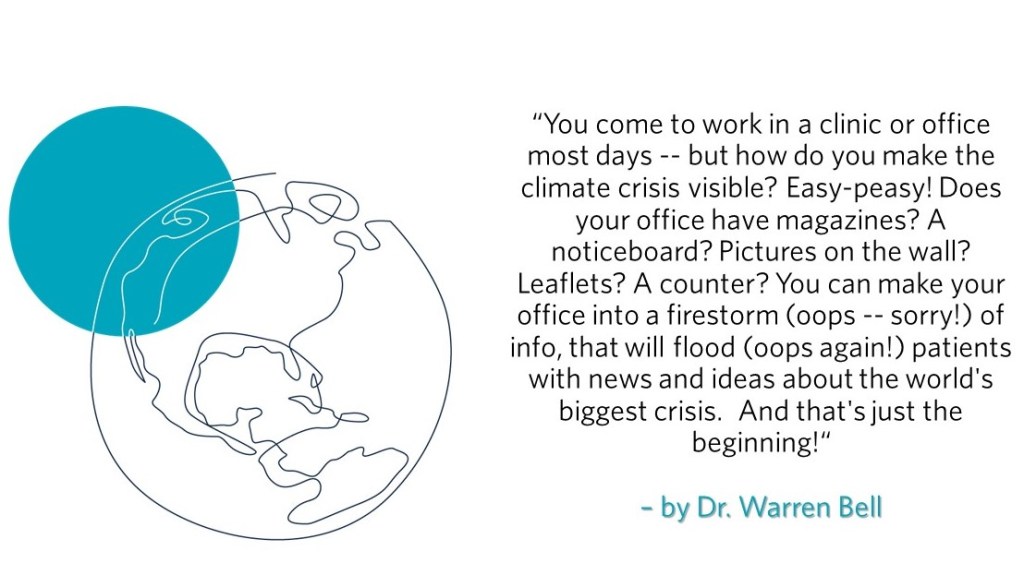
The Climate Emergency: Diagnosis and Management

Why is this conference important and why is it relevant to you?

The World Health Organization has stated that the climate crisis is the biggest health concern of the 21st century–and the Lancet has said that fighting climate change could be the greatest global health opportunity. If we do not make major changes to reduce greenhouse gas emissions in the next 10 years, the Intergovernmental Panel on Climate Change (IPCC) predicts catastrophic effects on the environment and human health. This conference will inspire us all in our health care roles to better understand these issues and advocate for necessary systemic change.

Register here for the October 30, 2020 event.

I also want to encourage you to check out the Virtual Showcase which is accepting submissions until September 25.