
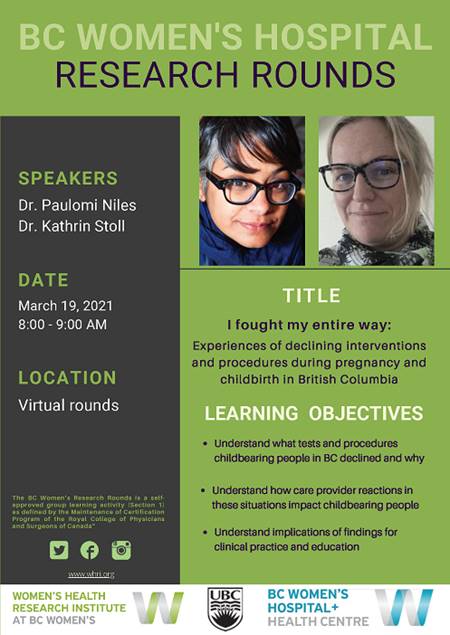
Register at www.whri.org.
Register at www.whri.org.
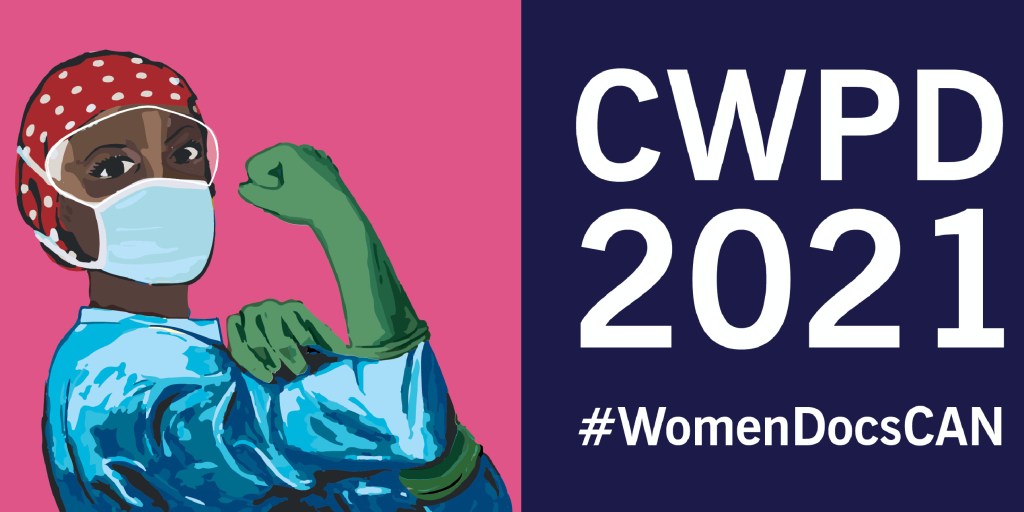
Today is the first ever Canadian Women Physicians’ Day!
March 11 was chosen to honour Dr. Jennie Trout, the first woman licensed to practice medicine in Canada.
“It was her own battle with ‘nervous disorders’ shortly after her marriage, which made Jennie decide to practice medicine. In 1871, she passed her matriculation exam and studied the University of Toronto. Jennie Trout and Emily Jennings Stowe were the first women admitted to the Toronto School of Medicine, by special arrangement. However, Emily refused to sit her exams in protest of the university’s demeaning treatment of the two women.”
Remember the women who paved the way.
Celebrate and thank those who are making a difference today. #WomenDocsCAN
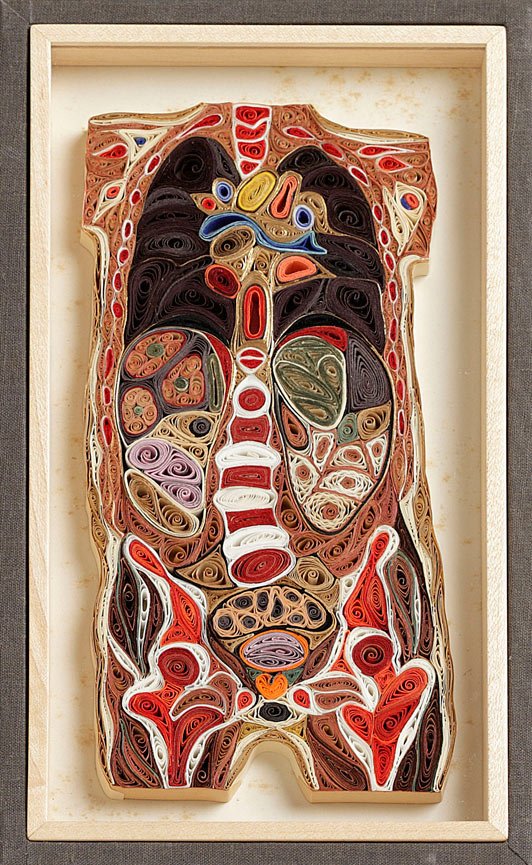
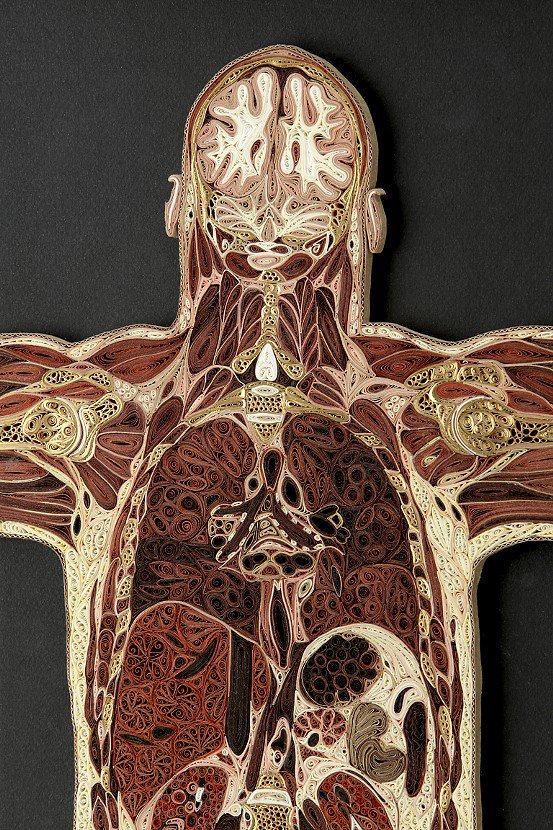
“The pieces that comprise Lisa Nilsson’s ‘Tissue Series’ are made of Japanese mulberry paper and the gilded edges of old books. They are constructed by a technique of rolling and shaping narrow strips of paper called quilling or paper filigree. Quilling was said to have been first practiced by Renaissance nuns and monks who made artistic use of the gilded edges of worn out bibles, and later by 18th century ladies who made artistic use of lots of free time. Lisa finds quilling exquisitely satisfying for rendering the densely squished and lovely internal landscape of the human body in cross-section.”
Learn more MEDinART: Where MEDicine and ART collide

March 8, 2021 | 9:00 a.m.
This symposium is part of the Women’s Brain Health Virtual Conference Series, which brings attention to the brain health issues women face and encourages the medical, scientific and commercial communities to address them. Hear from three renowned speakers who will discuss pertinent topics related to sex hormones, metabolic regulation and women’s health. Dr. Elizabeth Rideout will chair the event and facilitate conversation.
March 8, 2021 | 12:00 p.m.
Women’s Health Research Cluster is proud to host Dr. Elena Choleris, Department of Psychology and Neuroscience Program, University of Guelph. This seminar will focus on in various regulatory and modulatory aspects of social behavior.
March 8–19, 2021 | N/A
Join UBC Women Empowerment Club and The Dream Charity in “Who Run the World?” Charity Run-a-thon, an opportunity to collect proceeds for Plan International’s “Girls Get Equal Campaign” all while staying active this March. Participants will pledge to run as many kilometers as they can, in return for monetary donations from their friends and family!
Events are being held all week! Learn more here.
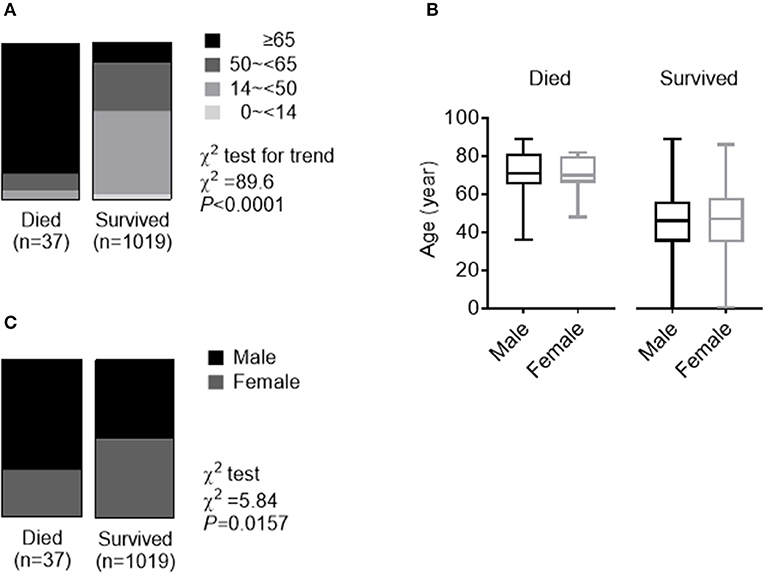
In the deceased patients, fever (86.5%) and cough (67.6%) were common, while diarrhea was uncommon (18.9%).The median period from symptom onset to death was 13 days (ranging of IQR 11 to 18 days). Of these deceased patients, 64.9% had at least one underlying disorder (i.e., hypertension, diabetes, cardiovascular disease, or chronic obstructive pulmonary disease) (Table 2). The deceased patients were significantly older [median (IQR), 70.3 (65–81) years] and had a higher percentage of ≥65 years (83.8%), in comparison to those who survived [47 (35–57) years old and 13.2% ≥65 years]. COVID-19 was diagnosed at all ages. There were 30 (2.9%) pediatric patients (<14 years) in the group of patients who survived. None of the 37 deceased cases were pediatric patients (Table 2 and Figure 2A). Ages were comparable between men and women in both patients who deceased and survived (Figure 2B). Of the 37 deceased patients, 70.3% were men and 29.7% were woman. The number of men was 2.4 times that of women in the deceased patients. While men and women had the same susceptibility, men were more prone to dying (χ2 test, P = 0.016) (Figure 2C).
More on Gender Differences in Patients With COVID-19: Focus on Severity and Mortality via Frontiers in Public Health.

The term intimate partner violence (IPV) describes physical, sexual, or psychological harm by a current or former intimate partner or spouse. IPV is also known as domestic abuse or gender-based violence, and is a major public health concern that destroys lives, devastates families, and affects communities around the world.
One in three women will experience intimate partner violence. Most will also suffer a brain injury. When you consider most physical abuse involves blows to the head, face, and neck, and strangulation, it’s not surprising. But while sports concussion dominates news headlines, little attention is paid to how common brain injury is among survivors of intimate partner violence (IPV). SOAR (Supporting Survivors of Abuse and Brain Injury through Research) works to change that through a unique, multi-disciplinary research collaboration between University of British Columbia – Okanagan and Kelowna Women’s Shelter.
In Canada alone, it’s estimated 230,000 women between 20 and 54 will experience severe violence at the hands of an intimate partner every year.
The federal Department of Justice estimates the annual costs associated with IPV exceed $7.4B.
Learn more about the Supporting Survivors of Abuse and Brain Injury through Research (SOAR Project).
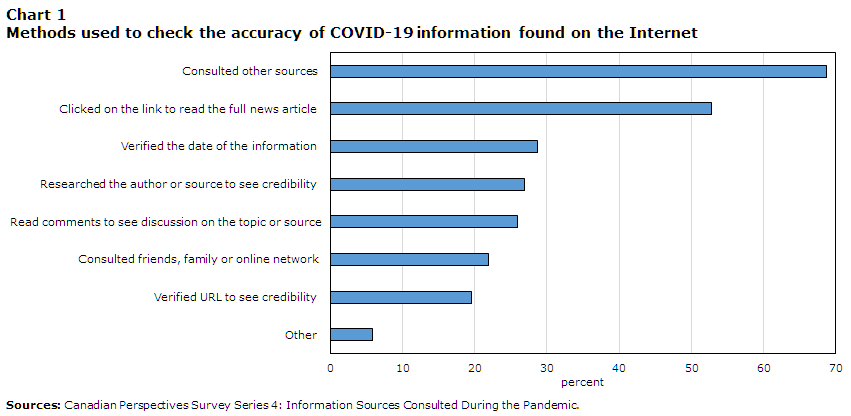
During the pandemic, nine in ten Canadians (90%) used online sources to find information about COVID-19. The three main sources were online newspapers or news sites (63%), social media posts from news organizations or magazines (35%), and social media posts from other users or influencers (30%).
During the first few months of this health crisis, 96% of Canadians who used the Internet to find information saw COVID-19 information that they suspected was misleading, false or inaccurate. In addition, regardless of gender, nearly two in five Canadians (40%) reported believing that the information they saw related to COVID-19 was true, then later realized that it was not.
The survey found that many Canadians were not in a regular habit of checking the accuracy of information they found online, with only 21% reporting they always check the accuracy and 37% saying they often check. However roughly 36% of Canadians reported that they only sometimes (24%) or rarely (12%) checked the accuracy of COVID-19 information they found online, which facilitates the sharing of potentially misleading, false or inaccurate information.
During the first few months of the pandemic, just over half of all Canadians (53%) had shared COVID-19 information they found online without knowing if it was accurate (22% always, often or sometimes shared, and 31% rarely shared), while the other half (47%) never shared unverified information. Information-sharing habits did not vary by gender, but differences were observed depending on the age group and education level of respondents.
More on Misinformation during the COVID-19 pandemic via Statistics Canada.
Stop the spread of misinformation by determining its accuracy prior to sharing it with others.
#COVID19 #WearAMask #GetVaccinated

“Globally, there are limited data on COVID-19 in pregnancy to inform recommendations for pregnant women and their care providers. This national surveillance project serves to better our understanding of the epidemiology and outcomes associated with COVID-19 in pregnancy and to thereby provide critical data to inform recommendations for pregnant women and their infants. A national approach, with regional leadership across Canada, is in progress with provincial/territorial data collection being combined for a national dataset of cases of COVID-19 in pregnancy. This project also lays the foundation for additional COVID-19 research through the establishment of a biospecimen repository from COVID-19 affected mother-infant pairs.”
More on Canadian Surveillance of COVID-19 in Pregnancy: Epidemiology, Maternal and Infant Outcomes via UBC Faculty of Medicine Reproductive Infectious Diseases Program.
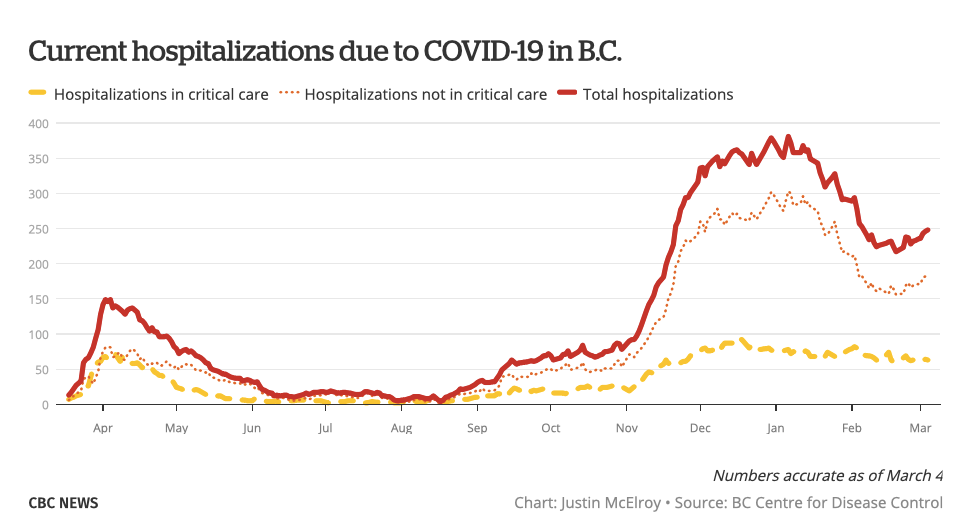
B.C. health officials announced 564 new cases of COVID-19 and four more deaths on Thursday as the number of variants of concern continues to climb.
Of the new cases, 46 were identified as variants, bringing B.C.’s total to 246.
A total of 248 people are in hospital, 63 of whom are in intensive care. There are currently 4,743 active cases of COVID-19 in B.C. and 1,376 people have died of the disease since the pandemic began.
More on COVID-19 variants on the rise, as B.C. records 564 new cases and 4 more deaths via CBC.
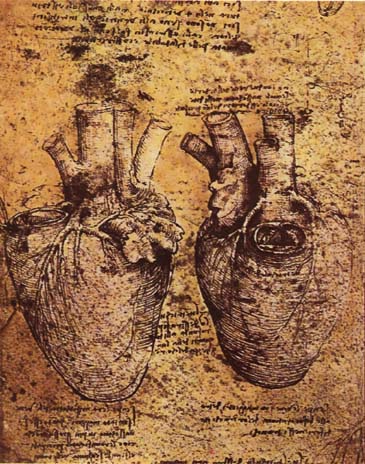
“The only calibration that counts is how much heart people invest, how much they ignore their fears of being hurt or caught out or humiliated. And the only thing people regret is that they didn’t live boldly enough, that they didn’t invest enough heart, didn’t love enough. Nothing else really counts at all.”
 Family Medicine Residency Site: Abbotsford-Mission