Celebrating Resident Doctors Appreciation Week

It’s the start of Resident Doctors Appreciation Week!

Resident appreciation is a year-round activity and endeavour we strive for. We are shining a spotlight on it especially this year for the week of February 7-11, 2022. Traditionally, the second week of February has been known nationally as Resident Awareness Week and, following a provincial rebranding decision in 2021, we are continuing to celebrate Resident Doctors Appreciation Week in 2022.

The residents of our Health & Wellness Committee and our External Relations Committee have been hard at work creating a mix of old and new ways to show appreciation for their fellow residents. We are excited to host our residents at a return of last year’s well loved event, Virtual Trivia Night, on February 9 where teams will go up against each other to prove who is the ultimate trivia-lover—all the while enjoying a good dinner on us.

Launching at Trivia Night will be the External Committee’s video on residents in BC, where residents were invited to participate on-site at Vancouver General Hospital to chat about their work and themselves. Residents at distributed sites were invited to submit video clips and photos discussing their experiences in residency and to highlight the province-wide work of residents in BC. This video will be made public on our YouTube channel following its launch.

Also special this year is a new podcast episode where our residents spotlight and interview BC Provincial Health Officer Dr. Bonnie Henry about her experiences in medicine. Be sure to check it out once it launches later this week!

Lastly, as is tradition, BC has declared February 7-11, 2022, Resident Doctors Appreciation Week in the province. View the full declaration.

Thank you to all our residents for all that you do for the people of BC!

via Resident Doctors of BC.

Positive Lexicography Project

Via Dr. Tim Lomas

“Lomas’s Positive Lexicography Project aims to capture the many flavours of good feelings (some of which are distinctly bittersweet) found across the world, in the hope that we might start to incorporate them all into our daily lives. We have already borrowed many emotion words from other languages, after all – think ‘frisson’, from French, or ‘schadenfreude’, from German – but there are many more that have not yet wormed their way into our vocabulary. Lomas has found hundreds of these ‘untranslatable’ experiences so far – and he’s only just begun.”

Explore The ‘untranslatable’ emotions you never knew you had via BBC.

Made me think about the language we use in medicine and how some of the experiences we go through may have no words to describe.

~ Jacqueline

Prescribe Parks Canada Discovery Pass

“‘It’s the first time in Canada that a doctor or a nurse or licensed health-care professional can actually prescribe nature with something extra to their patients,’ said Lem.

Lem said if a doctor registered to prescribe through the PaRx program believes a patient could benefit from a dose of a nature, they just have to click a box on the parks prescription website when they’re logging the patient’s nature prescription.

The BC Parks Foundation will then mail the patient a free Parks Canada Discovery Pass, which would typically cost $72.25 for an adult. Admission is already free for youth 17 and under.”

Read more on B.C. physicians can now prescribe Parks Canada Discovery Pass to encourage people to get outside via CTV News.

Related articles: B.C. physicians prescribing time outdoors to improve overall health: Q+A via CTV News.

UBC’s Department of Family Practice February Research Rounds

In this presentation on February 9, 2022 at noon PST, Elizabeth Nethery – PhD candidate in the School of Population and Public Health at the University of British Columbia and Registered Midwife in BC – will present research describing rates of maternal and perinatal birth outcomes for community births and to compare outcomes by planned place of birth (home vs state-licensed, freestanding birth center) in a Washington State birth cohort.

Washington state is among the most integrated states in the US for midwifery and rates of community birth are among the highest in the country. Planned, midwife-attended community birth in Washington State, either at home or a freestanding birth center, uses similar guidelines for transfer of care as in international settings such as British Columbia.

The retrospective cohort study involved 10,609 planned community births from Jan 2015 to June 2020 and reported outcome rates for all delivery and perinatal outcomes. Relative risks was estimated comparing planned home births to planned births at state-licensed birth centers, adjusting for parity and other confounders.

Elizabeth’s dissertation research is on pregnancy weight changes, gestational diabetes and prenatal screening, supervised by Dr. Patricia Janssen. Her current research interests include midwifery care, birth settings, contraception and health services delivery.

For more information and updates for the event, check out the Department of Family Practice Website.

Preparing our Future: Family Physicians

The CFPC’s Outcomes of Training Project (January 2022) is a critical reflection on the training of family physicians in dynamically changing times applying a social accountability lens with an ultimate goal of improved patient access to comprehensive care close to home. Defining and enabling comprehensive care and preparing family physicians for emerging and complex societal health care needs are the goals of this project and the basis of the education recommendations.

Download here.

Art of Medicine

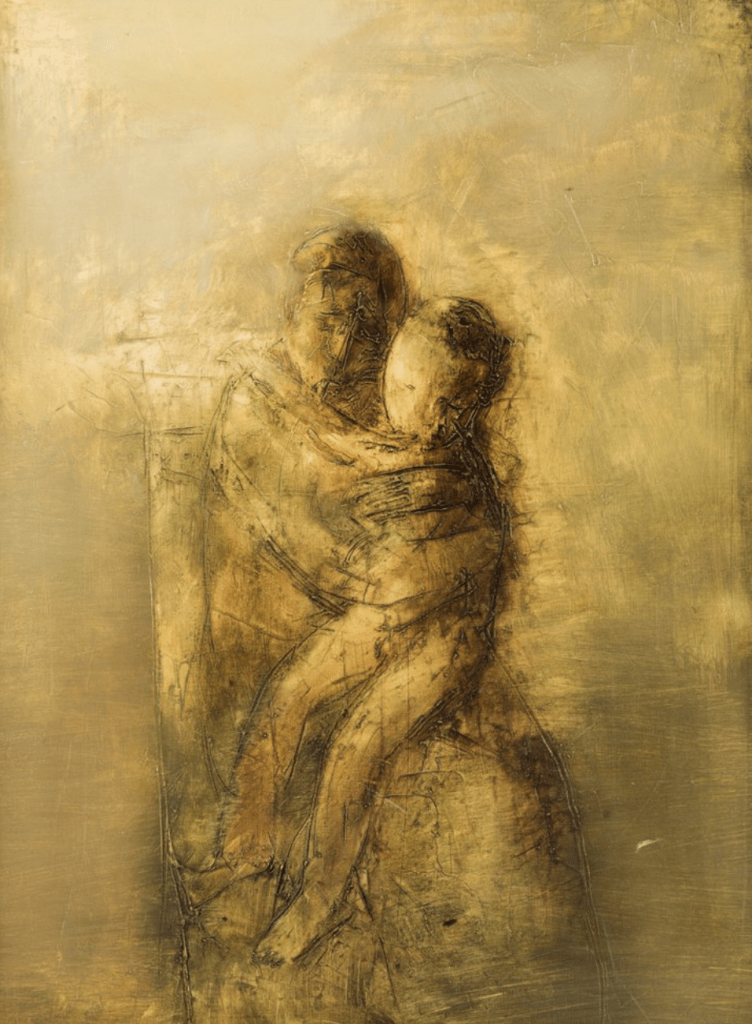
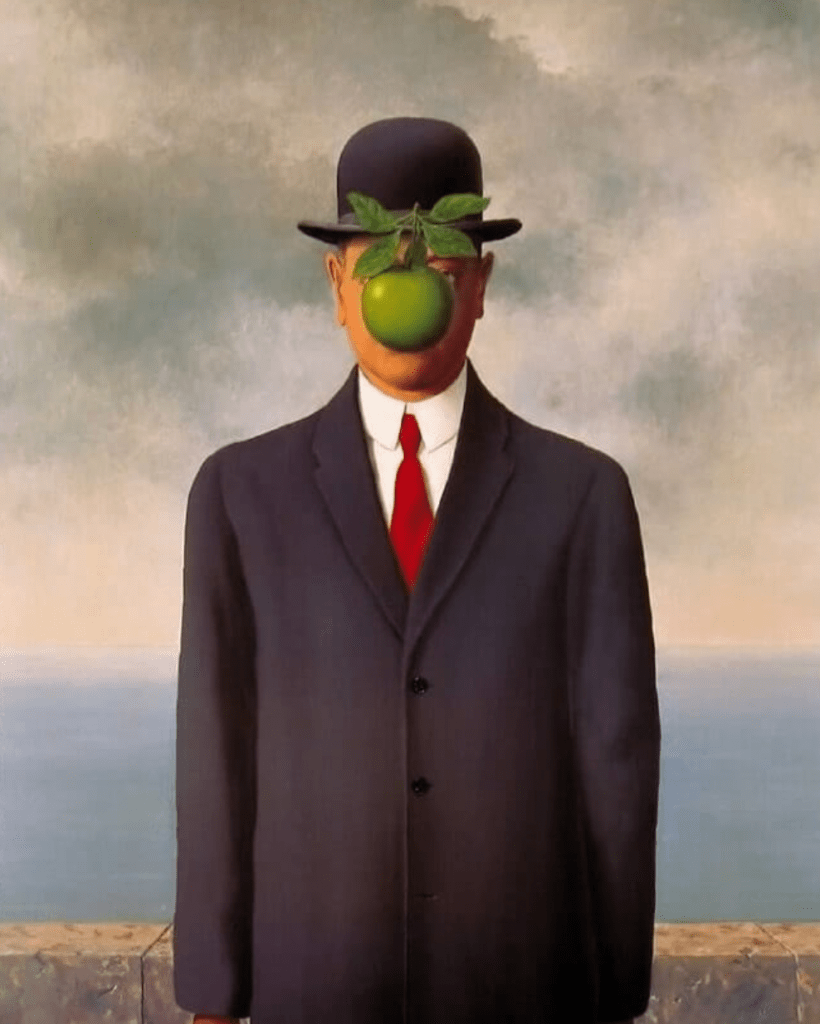
“Many, if not most, medical schools have recognized the value of including the humanities in the education of future doctors, art for medical education. A person who appreciates art is likely to be open-minded, curious, at ease with the unknown, able to tolerate ambiguity, and to approach artwork with a beginner’s mind – that is as if they were experiencing something for the first time. The need for this is expressed by a third year McGill medical student, Susan M Ge, who wrote, ‘Due to the technology available to look into the patient, doctors have lost the ability to see the manifestations of illness from simply observing the external appearance and demeanor of the patient. This void in the area of observation can be filled by the study of art. A piece of artwork holds both the physical and emotional back story of the people depicted in it if one knows how to look.'”13

Art of medicine, art as medicine, and art for medical education via CMEJ.

Study of Epigenetics: Reversing Skin Aging

“’Environmental and behavioural factors certainly can influence the health and vitality of our skin,’ she explains. ‘These external elements can lead to skin damage and signs of premature aging, in the form of wrinkles, dull tone and dyspigmentation, as well as the development of skin cancers. ‘Examples of positive factors include sun protection, physical activity/exercise and a balanced diet. Examples of negative factors include sleep deprivation, stress and pollution.’

More on “How the study of epigenetics could help reverse skin aging: While we know that behaviour and environment can impact skin health, experts hope epigenetics research may offer clues as to what might help repair that damage over time” via Vancouver Sun.