
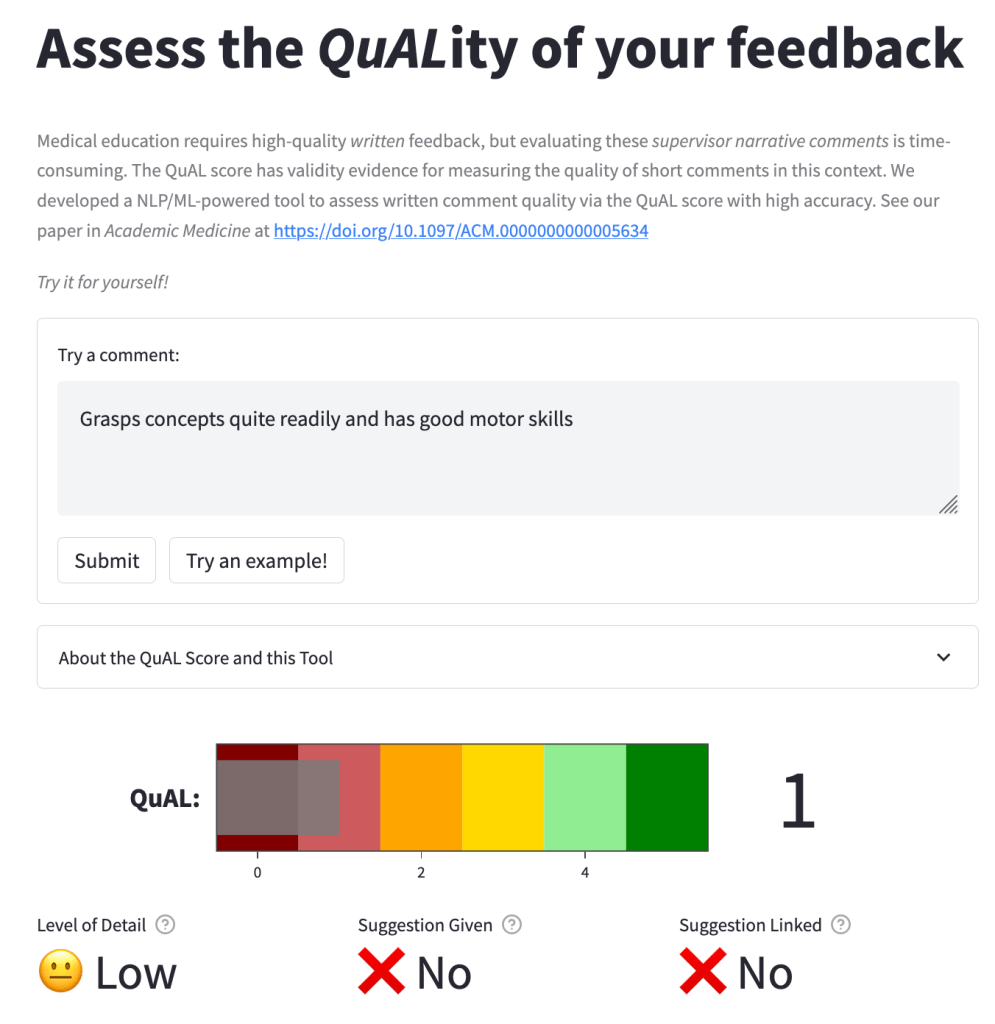
Try the tool out here!
Try the tool out here!

Applauding New York City hospitals recent move to design a system tailored to its own healthcare context while ensuring that their patient data remains in-house. The NHS and Canada should consider a similar approach. More on the topic below:
Ensuring the sovereignty and security of Canadian health data via CMAJ.
New York City hospitals drop Palantir as controversial AI firm expands in UK via The Guardian.
Have a great Monday,
Jacqueline
“But to be truly human means not abandoning those who need your humanity.
Tell the world about us.
Tell them that we were more human than those who only claimed to be.
Tell them we chose death over abandoning our noble mission.
Do not call us heroes-just tell them we understood what it truly means to be human.”
Mohammed Saqer, Nursing Director, Nasser Medical Complex.
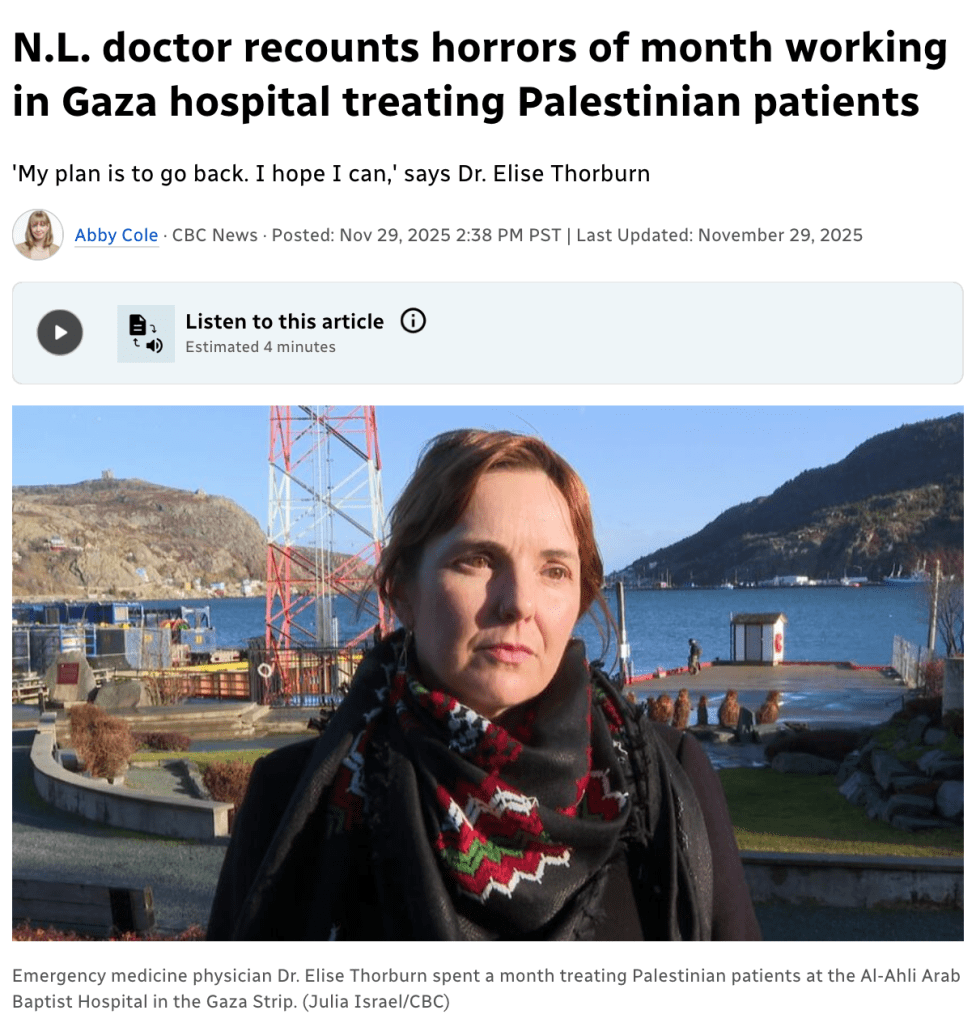
Two years into the conflict, and physicians and humanitarian workers continue to describe devastating conditions in Gaza. Dr. Elise Thorburn’s account of providing care in Gaza is deeply troubling. Her description of children with traumatic injuries, families living in tents, and hospitals operating with severe shortages reflects the devastating human consequences of prolonged conflict. These are not abstract conditions. They are lived realities for civilians, patients, and healthcare workers trying to survive and provide care under unimaginable circumstances.
These concerns echo themes raised in recent conversations at UBC’s RECAP: Health Report from Gaza, where speakers drew attention to the destruction of healthcare infrastructure in Gaza, the extreme pressures on physicians and trainees, and the broader humanitarian implications of sustained attacks on civilian life and medical systems.
At minimum, these accounts from multiple communities call on us to resist indifference. They ask us to recognize the human cost of conflict, to uphold the protection of civilians and healthcare workers, and to affirm the importance of humanitarian principles in times of profound suffering.
As members of an academic and healthcare community, we have a responsibility to engage seriously with these realities, to support the protection of healthcare workers and patients, and to affirm the importance of human dignity, medical neutrality, and access to care.
Further reading:
N.L. doctor recounts horrors of month working in Gaza hospital treating Palestinian patients via CBC News
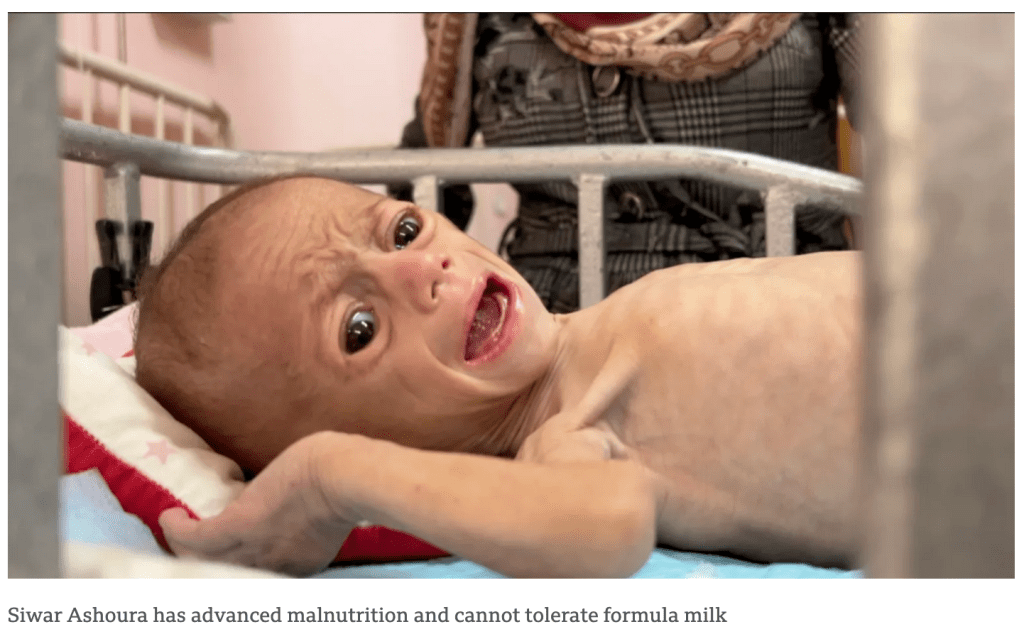
Scared and malnourished – footage from Gaza shows plight of children and aftermath of Israeli strike via BBC
BC Physicians Against Genocide: https://www.instagram.com/bc.physicians.against.genocide/
“A stunning tribute to the resilience of Native people and their way of life – SUGARCANE, the debut feature documentary from Julian Brave NoiseCat and Emily Kassie – is an epic cinematic portrait of a community during a moment of international reckoning. Set amidst a ground-breaking investigation into abuse and death at an Indian residential school, the film empowers participants to break cycles of intergenerational trauma by bearing witness to painful, long-ignored truths – and the love that endures within their families despite the revelation of genocide.
In 2021, evidence of unmarked graves near an Indian residential school run by the Catholic Church in Canada sparked a national outcry about the forced separation, assimilation, and abuse many children experienced at this network of segregated boarding schools designed to slowly destroy the culture and social fabric of Indigenous communities. When Kassie- a journalist and filmmaker- asked her old friend and colleague, NoiseCat, to direct a film documenting the Williams Lake First Nation investigation of St Joseph’s Mission, she never imagined just how close this story was to his own family. As the investigation continued, Emily and Julian traveled back to the rivers, forests and mountains of his homelands to hear the myriad stories of survivors. During production, Julian’s own story became an integral part of this beautiful multi-stranded portrait of a community. By offering space, time, and profound empathy the directors unearthed what was hidden. Kassie and NoiseCat encountered both the extraordinary pain these individuals had to suppress as a tool for survival and the unique beauty of a group of people finding the strength to persevere.”
Learn more here.
For those interested in how AI is emerging in healthcare and our clinical learning environment, UBC is hosting a session on The Health CARE-AI Framework: A New Guide for Responsible Artificial Intelligence (AI) in Healthcare
Presenter: Dr. Lyn K. Sonnenberg, University of Alberta and Dr. Babar Haroon, Dalhousie University
Date: Tuesday March 24, 2026
Presentation 1: 9:00-10:00am (PST)
Presentation 2: 12:00-1:00pm (PST)
Register here: https://ubc.ca1.qualtrics.com/jfe/form/SV_4P05jpLQcEDe2eq
“Background: Canada has historically been among the world leaders in hypertension care, but hypertension treatment and control rates have regressed in recent years. This guideline is intended to provide pragmatic primary care–focused recommendations to improve hypertension management in adults at the population level.
Methods: We employed Grading of Recommendations Assessment, Development and Evaluation and ADAPTE frameworks in accordance with Appraisal of Guidelines for Research and Evaluation (AGREE II) quality and reporting standards to develop recommendations on managing hypertension for adults aged 18 years and older. We used the HEARTS framework — a model of care developed by the World Health Organization to improve hypertension control and reduce cardiovascular burden — to integrate these recommendations into streamlined, pragmatic, and evidence-based algorithms. The guideline committee predominantly comprised primary care providers and also included patient, methodology, and hypertension specialist representatives. Our process for managing competing interests adhered to Guidelines International Network principles.
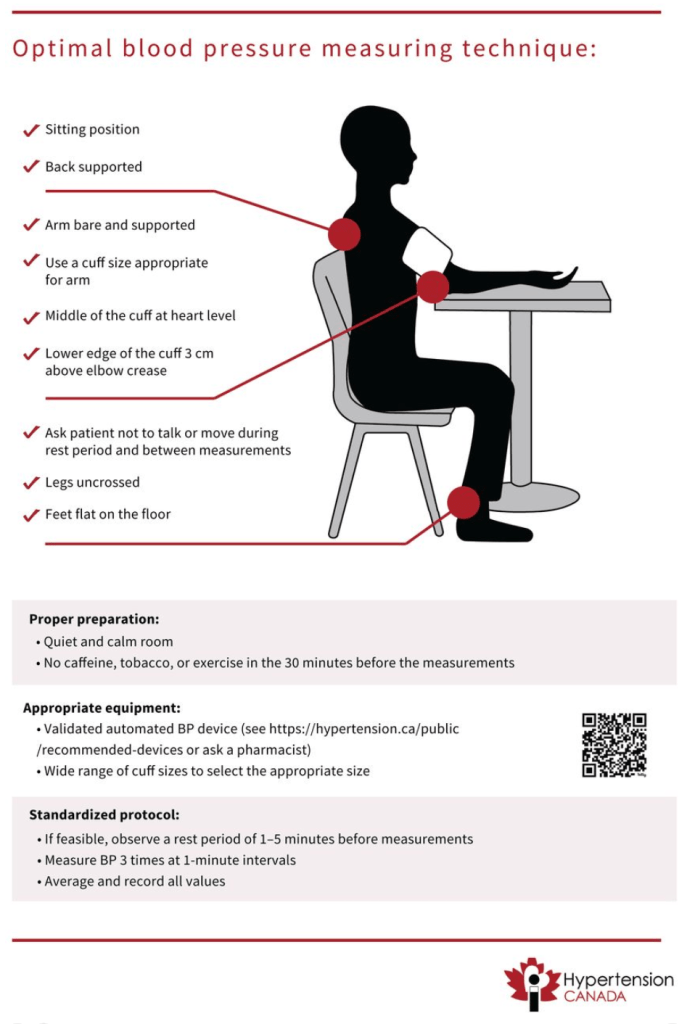
Recommendations: The 9 recommendations for managing hypertension in adults are grouped under the categories of diagnosis and treatment. Diagnostic recommendations include a standardized approach to measuring blood pressure (BP) and confirming hypertension, as well as providing a uniform definition for hypertension of BP ≥ 130/80 mm Hg. Treatment recommendations include targeting a systolic BP < 130 mm Hg, implementing healthy lifestyle changes, and providing stepwise guidance on optimal medication choices for patients requiring pharmacotherapy.”
Read more on Hypertension Canada guideline for the diagnosis and treatment of hypertension in adults in primary care via cmaj.
“The government of Alberta recently announced legislative changes allowing patients to self-refer and pay out of pocket for diagnostic and testing services covered by publicly funded health care. Alberta subsequently passed Bill 11, which allows physicians to engage in “dual practice” — that is, to work in and bill the public system while also taking on private work and charging other patients directly (https://www.alberta.ca/supporting-a-world-class-health-care-system).
Initially, the focus is on elective surgeries. The Alberta government says the new legislation, which is unique within Canada, is intended to increase flexibility for patients, encourage innovation, and decrease wait times as patients willing to pay out of pocket remove themselves from the public wait-list and physicians choose to move to Alberta to practise.
Other jurisdictions in Canada have experimented with allowing physicians to offer surgeries to patients willing to pay privately, and one-third of Organisation for Economic Co-operation and Development (OECD) countries allow surgeons to work in dual public and private practice. We discuss how such systems have affected access to services.”
Read more on A parallel private-pay system will worsen access to publicly funded surgery via CMAJ.
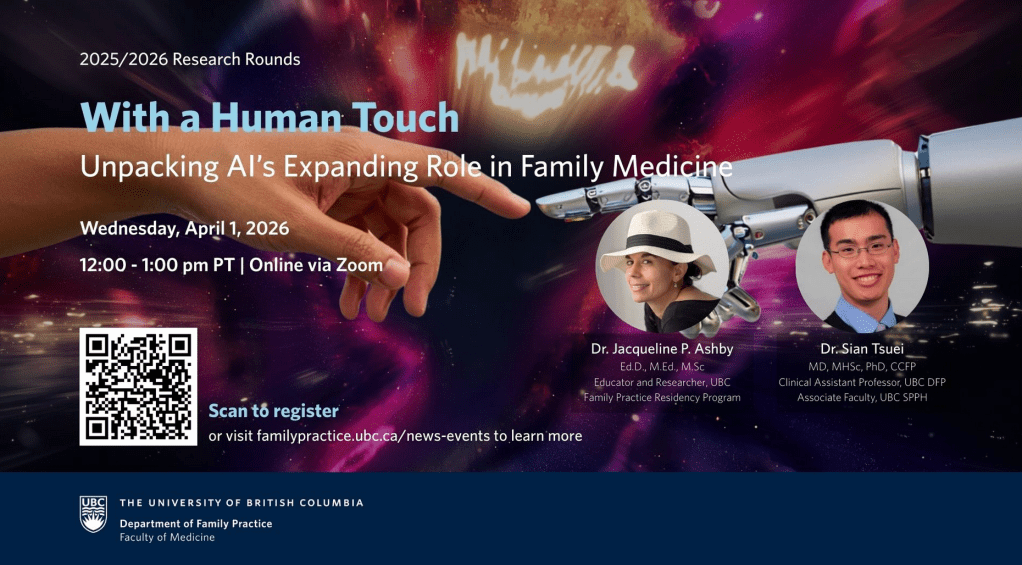
AI’s expansion in the academic and clinical learning environment is raising questions about the role of advanced technologies in education and patient care. This panel explores how primary care clinicians and medical educators are exploring the application of AI, in addition to its tensions, opportunities, and concerns in its current and future use.
The focus of this conversation is to share insights, research, perceptions, and experiences with the use of AI in our academic and healthcare settings.
Learn more and register here: https://familypractice.ubc.ca/april-2026-research-rounds-a-in-family-medicine/
Submit and vote on questions you’d like to see during this Q&A: https://www.questionwave.com/q/ej0Yjkkf79
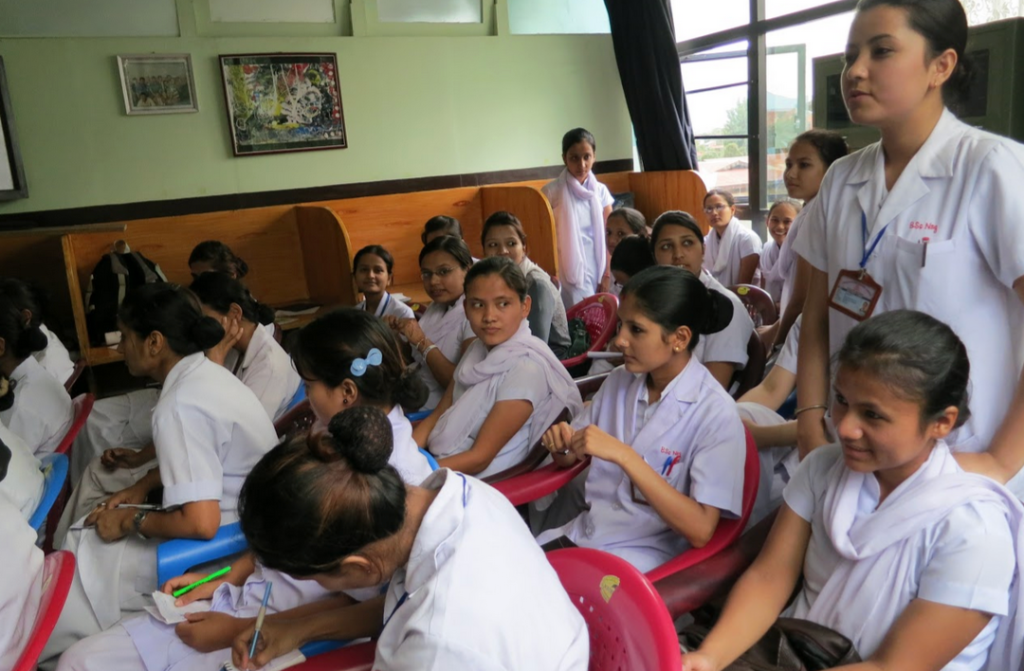
Hello Simulation Community! I’m sharing the request below on behalf of Respiratory Therapists Without Borders, a volunteer-run Canadian charity currently supporting a 200-bed mission hospital in rural Nepal.
The organization is primarily seeking simulation-related supplies and equipment to help strengthen local healthcare education and build simulation capacity in a training-focused hospital setting. In addition, there is interest in connecting with simulation labs or educators in Canada who may be open to hosting an observer visit or site visit this summer.
If you or your organization have the capacity to support this initiative, whether through equipment donations, advice, mentorship, or an opportunity to observe simulation programming, please reach out directly using the contact information in the email below.
Thank you, everyone, for considering how you might support this meaningful global health education effort.
Contact Information:
Eric Cheng, RRT, CRE, FCSRT
Simulation Based Education MSc Candidate 2028
Co-Founder & Co-Culture Creator
Respiratory Therapists Without Borders
Registered Canadian Charity
eric@rtwb.ca || www.rtwb.ca
+977.980.473.9485 (Nepal)
+1.778.807.9117 (Canada)
Thank you for your attention to this matter.
Best,
Jacqueline

We’re excited to announce that Okanagan Orchards is confirmed for Saturday, June 6th at the Eldorado Resort in Kelowna! This is the annual Family Practice Postgraduate Program’s faculty development and appreciation event.
A travel reimbursement will be available to eligible out-of-town preceptors (more details to come when registration opens this spring). There is no registration fee for this event.
There are a limited number of guest rooms held at the Eldorado Resort as well as Manteo Resort (right next door) so booking early is recommended. Our event rate is $300/night plus taxes and fees. Please use the following links or call the hotel directly:
This event is open to all Family Practice preceptors. Feel free to share this event with colleagues at your site.
Stay tuned for further details, including an agenda and registration link. Please let me know if you have any questions. We look forward to seeing you in June!
Larissa McLean, MHA
Manager, Rural Education & Initiatives
Faculty of Medicine | Department of Family Practice, Postgraduate Program
The University of British Columbia
larissa.mclean@abbotsfordfamilymedhttp://postgrad.familymed.ubc.ca
 Family Medicine Residency Site: Abbotsford-Mission