
When Disaster Hits, Family Medicine Is Still the Front Door
Disasters and major trauma can feel like “someone else’s job” until the day your clinic, urgent care, or community hospital becomes the first place people arrive. In those moments, what matters most is not just clinical knowledge, it is teamwork, role clarity, and a shared plan.
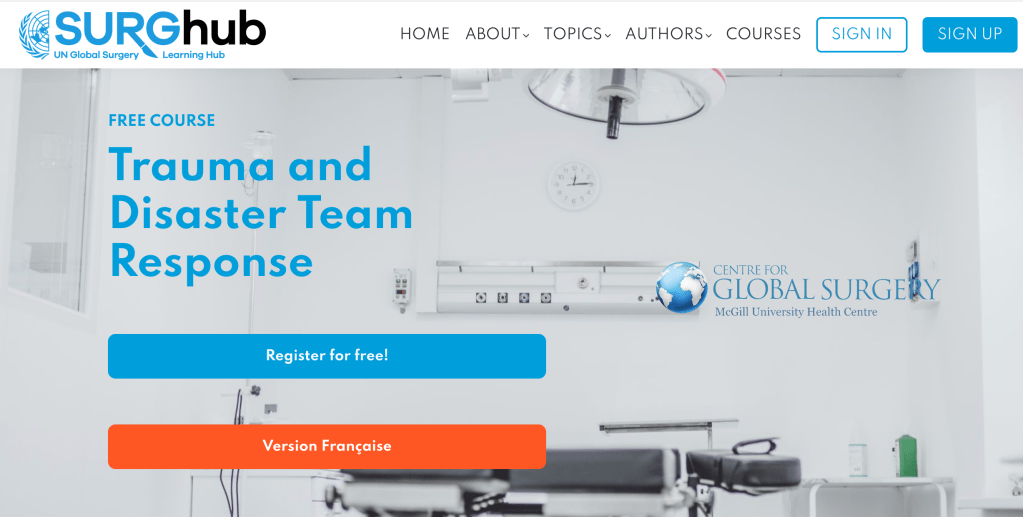
A useful option is Trauma and Disaster Team Response, a free online course on SURGhub, offered through the McGill University Health Centre, Centre for Global Surgery. It is built around multidisciplinary trauma and disaster response, with lectures and quizzes, and it is designed to strengthen how teams function under pressure.
Why it matters for family medicine
Family physicians are often central to stabilization, triage, transfer decisions, and supporting staff and communities in the aftermath. This training can help build a common language for response, especially in rural and community settings where resources and staffing can shift quickly.
What you can take back to your team
- Clearer roles during urgent resuscitation and surge situations
- More confidence with transfer readiness and escalation
- A framework for thinking about disaster response as a system, not just a single patient
- A nudge to turn preparedness into practical clinic improvements (call trees, checklists, short drills)
Learn more here at McGill University’s SURGhub.

 Family Medicine Residency Site: Abbotsford-Mission